Key Points
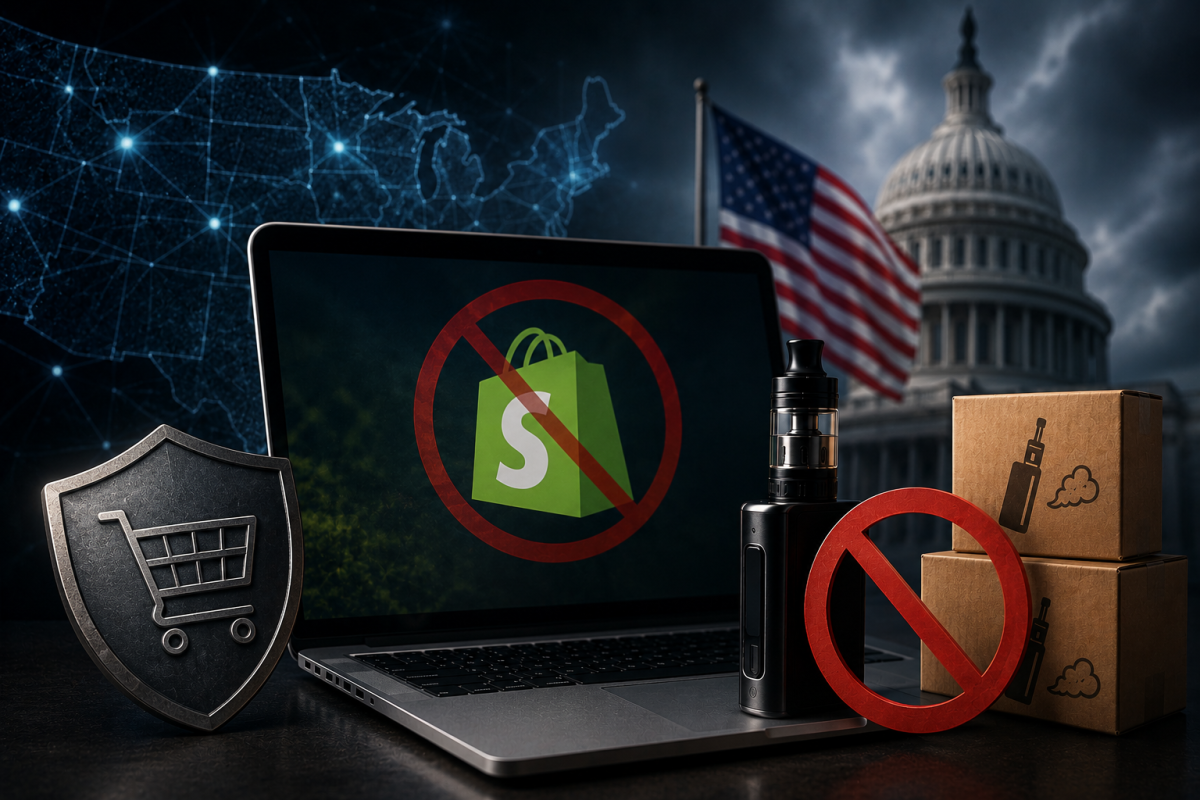
- Shopify instructed merchants to remove all vape products from online stores.
- Merchants were required to complete removal by July 8, 2026.
- The policy applies to all ENDS products, not only illegal products.
- U.S. authorities previously pressured platforms to address illegal vape sales.
- Online platforms are becoming a key part of nicotine product compliance oversight.
2Firsts
July 14, 2026
According to Reuters on July 10, 2026, Shopify notified customers using its web-hosting services that they must remove vape products from their online stores. A notice issued by Shopify on June 24 required merchants to remove all e-cigarette products by July 8 or risk product suspension or store termination.
Shopify Ends Support for Vape Product Sales
Shopify said in the notice that it no longer supports sales of electronic nicotine delivery systems (ENDS) due to changes in legal restrictions surrounding these products.
The policy applies to all vape products, rather than only products considered illegal. For businesses using Shopify as their e-commerce infrastructure provider, the move requires changes to existing online sales strategies.
Based in Ottawa, Canada, Shopify provides the technology infrastructure that allows millions of merchants to build and operate online stores. The policy change affects a broad merchant ecosystem rather than individual retailers.
U.S. Enforcement Pressure Drives Platform Changes
The Shopify policy follows months of pressure from U.S. state and local authorities.
Reuters previously reported that a coalition of government officials pushed Shopify to take stronger action against illegal vape sales occurring through websites hosted on its platform. Authorities focused on products lacking required authorization for U.S. sales or violating applicable regulations.
The coalition included officials from states such as California, Illinois and Arizona, as well as authorities from New York City, the District of Columbia and Puerto Rico.
California Attorney General Rob Bonta said the policy change would help reduce illegal nicotine product sales and that authorities would continue holding companies accountable.
Broader Platform Restrictions Affect Legal Sellers
A key feature of Shopify’s decision is that the final policy extends beyond the original focus on illegal vape products.
While regulators initially targeted unauthorized and illegal sales, Shopify’s policy applies to all vape products.
The change means even sellers operating within certain regulatory frameworks may lose access to Shopify’s platform.
For vape companies, compliance risks are increasingly expanding beyond government regulation to include platform policies, payment providers and other commercial infrastructure.
Online Vape Sales Channels Face Reassessment
Shopify’s move shows that e-commerce platforms are becoming increasingly involved in nicotine product regulation.
For companies relying on online channels, dependence on a single platform may create new operational risks. Brands and manufacturers may need to reassess their channel strategies, including independent websites, platform compliance and market-specific regulatory requirements.
As regulators continue targeting illegal nicotine products, competition in the vape industry is increasingly shaped not only by products but also by supply chains, distribution channels and compliance capabilities.
Follow 2Firsts for the latest updates on global tobacco harm reduction, nicotine products and regulatory developments.
Cover Image source: Reuters