Key Points
- Smoking rate falls to 17.9%;
- HTP use reaches 6.3%;
- E-cigarette use rises to 4.5%;
- One in five users consume multiple products.
2Firsts
June 1, 2026 — According to Korea JoongAng Daily, data released by the Korea Disease Control and Prevention Agency (KDCA) on World No Tobacco Day showed that while conventional cigarette smoking continues to decline in South Korea, the use of e-cigarettes and heated tobacco products is rising steadily.
The data showed that the adult smoking rate for conventional cigarettes fell to 17.9% in 2025, down one percentage point from 18.9% a year earlier. At the same time, the use rate of heated tobacco products (HTPs) increased to 6.3%, while liquid e-cigarette use rose to 4.5%.
KDCA noted that since e-cigarette statistics were first collected in 2019, HTP use has increased by 90.9%, while liquid e-cigarette use has grown by 73.1%. Overall tobacco product use reached 22.1% in 2025.
Among tobacco users, 21.3% reported using two or more tobacco products simultaneously. According to the agency, multi-product use is particularly common among younger consumers.
The findings are based on the 2025 Community Health Survey, a nationwide study covering approximately 230,000 adults aged 19 and older.
By age group, the sharpest increase in alternative tobacco product use was observed among people in their 20s and 30s. The rate of heated tobacco product use among people in their 20s more than doubled from 4.3% in 2019 to 8.8% in 2025. Liquid e-cigarette use also recorded significant growth within the same age group.
KDCA said the data confirmed a clear trend:
“The younger the age group, the greater the share of e-cigarette users.”
Growth was also notable among women. The use of heated tobacco products among women increased from 0.5% in 2019 to 1.4% in 2025, while liquid e-cigarette use rose from 0.5% to 1.2% during the same period.
Although overall tobacco product use remains lower among women than men, the rate of increase has been faster among women. KDCA highlighted that among women in their 20s, the gender gap in e-cigarette use is considerably narrower than the gap in conventional cigarette smoking.
The survey also revealed significant regional differences. Overall tobacco product use was highest in North Chungcheong Province, Gangwon Province, South Chungcheong Province and North Gyeongsang Province.
Conventional cigarette smoking rates were highest in South Chungcheong, North Chungcheong and Gangwon, while heated tobacco product use was highest in Gyeonggi Province, Sejong City, Daejeon and Ulsan. Liquid e-cigarette use was highest in Ulsan, followed by Seoul, South Chungcheong Province and Gyeonggi Province.
KDCA expressed concern that e-cigarettes are not simply replacing conventional cigarettes, but are increasingly being used alongside other tobacco products. The agency warned that simultaneous use of multiple tobacco products may increase nicotine dependence, reduce the likelihood of successful smoking cessation, and expose users to a broader range of harmful chemicals.
KDCA Commissioner Lim Seung-kwan said:
“E-cigarette use is growing among people in their 20s and 30s and among women, while one in five tobacco users is consuming multiple tobacco products simultaneously. South Korea needs a comprehensive tobacco cessation policy that covers not only conventional cigarettes but also e-cigarettes.”
The agency said the findings highlight the need for tobacco control strategies that address the growing diversity of nicotine and tobacco products in the Korean market.
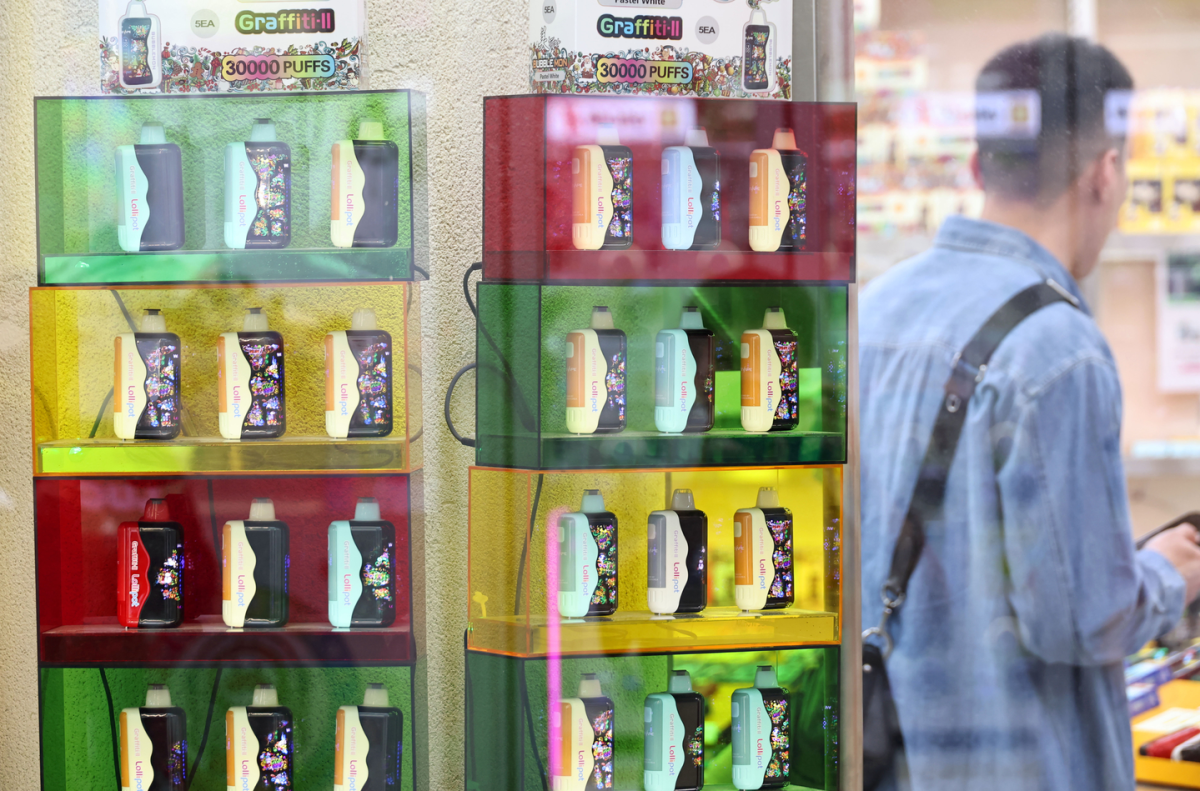
(Cover Image source: Yonhap News / Korea JoongAng Daily)