Sri Lankan Customs Seize Illegal E-Cigarettes and Cigarettes

Dec.09.2024
Sri Lankan Customs Seize Illegal E-Cigarettes and Cigarettes
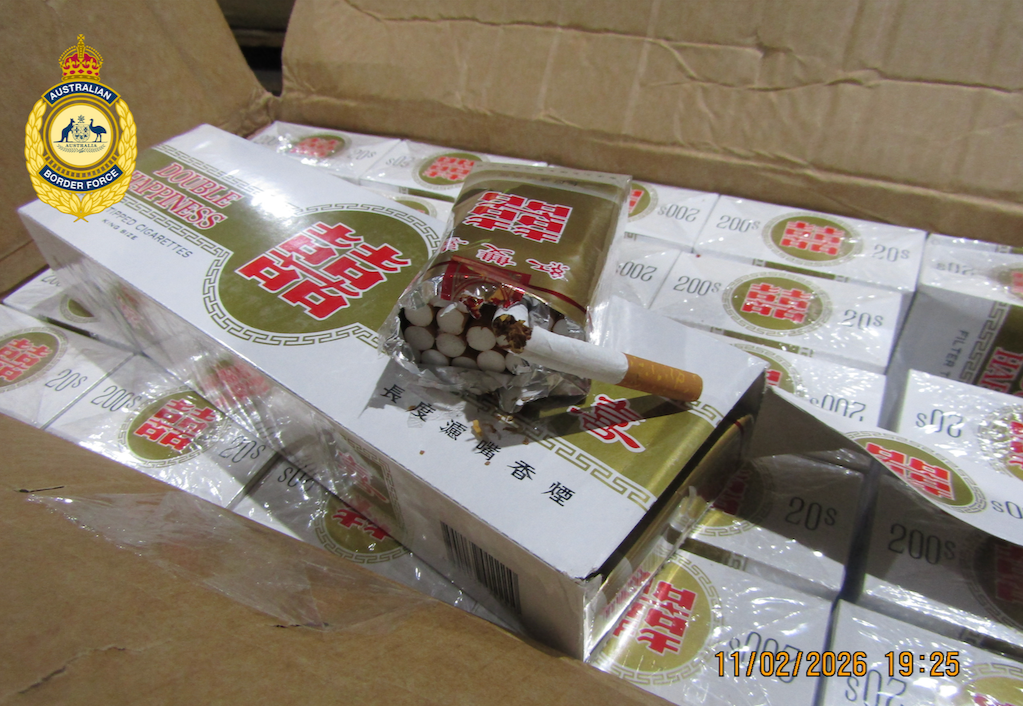
Illegal e-cigarettes and cigarettes worth nearly 750,000 LKR seized at Sri Lanka's Katunayake airport by customs officials.

According to a report in the Sunday Times on December 9th, customs officials at Sri Lanka's Katunayake Airport intercepted a shipment of illegal e-cigarettes and cigarettes valued at nearly 7.5 million rupees (25,000 USD) last Friday (6th). The goods were illegally brought into the country by a businessman returning from Dubai.


Customs officials seized 740 Chinese-manufactured e-cigarettes and 780 "Benson and Hedges" brand cigarettes from the 8 suitcases carried by this businessman.


In a preliminary investigation conducted by airport customs officials, the businessman stated that the smuggled cigarettes were intended to fulfill an order he had received.


Currently, customs officials have detained him and are conducting further investigation into the matter.


We welcome news tips, article submissions, interview requests, or comments on this piece.

Please contact us at info@2firsts.com, or reach out to Alan Zhao, CEO of 2Firsts, on LinkedIn


Notice

1.  This article is intended solely for professional research purposes related to industry, technology, and policy. Any references to brands or products are made purely for objective description and do not constitute any form of endorsement, recommendation, or promotion by 2Firsts.

2.  The use of nicotine-containing products — including, but not limited to, cigarettes, e-cigarettes, nicotine pouchand heated tobacco products — carries significant health risks. Users are responsible for complying with all applicable laws and regulations in their respective jurisdictions.

3.  This article is not intended to serve as the basis for any investment decisions or financial advice. 2Firsts assumes no direct or indirect liability for any inaccuracies or errors in the content.

4.  Access to this article is strictly prohibited for individuals below the legal age in their jurisdiction.


Copyright


This article is either an original work created by 2Firsts or a reproduction from third-party sources with proper attribution. All copyrights and usage rights belong to 2Firsts or the original content provider. Unauthorized reproduction, distribution, or any other form of unauthorized use by any individual or organization is strictly prohibited. Violators will be held legally accountable.

For copyright-related inquiries, please contact: info@2firsts.com


AI Assistance Disclaimer


This article may have been enhanced using AI tools to improve translation and editorial efficiency. However, due to technical limitations, inaccuracies may occur. Readers are encouraged to refer to the cited sources for the most accurate information.

We welcome any corrections or feedback. Please contact us at: info@2firsts.com

Bringing Tax and Insurance Into Nicotine Regulation: Insights From a Tobacco Harm-Reduction Report
A smoke-free nicotine policy report argues that tobacco harm reduction should move beyond product bans and health warnings into tax policy, insurance pricing and risk-based regulation. While some projections remain open to debate, the report highlights a wider challenge: nicotine products, technologies and consumer behavior have changed sharply over the past decade, and regulatory systems may need new tools to better align tobacco control with harm-reduction goals.
Jun.08
ATF Cancels Webloc Contract, Raising Questions Over Commercial Location Data in Enforcement
The U.S. Bureau of Alcohol, Tobacco, Firearms and Explosives (ATF) has stopped using Webloc, a commercial phone-tracking tool, after lawmakers, a prosecutor and a judge raised legal and privacy concerns over warrantless use of ad-tech location data, a development that may affect data-use boundaries in U.S. enforcement against illicit tobacco, nicotine products and cross-border distribution networks.
Jun.29
Changing Assumptions in U.S. Cigar Consumption: 2Firsts Interviews Cigar Educator Mechelle Merkerson
U.S. premium cigar culture is shifting toward education, broader choice and deeper links to craftsmanship and origin, cigar educator Mechelle Merkerson told 2Firsts. She sees boutique brands, women consumers and production-region experiences making knowledge central to cigar participation. For global brands, retailers and emerging markets such as China, education may help turn curiosity into sustained engagement.
Special Report
Jul.06
Michael Olise’s World Cup Locker-Room Photo Puts Nicotine Pouches in the Sports Business Spotlight
Several European sports outlets have reported on a suspected nicotine pouch seen in French footballer Michael Olise’s locker photo, bringing football’s long-running “snus” culture back into public view and highlighting brand visibility, product classification and public-health debate around nicotine pouches in sports settings.
News
Jun.25 by 2Firsts Perspectives
Canada Vape Enforcement Action Puts VAPME Website, Trademark and China Supply-Chain Links in Focus
Quebec police seized about 300,000 suspected illegal vape products and froze more than C$1.8 million in funds. Local media said vapme.ca, a website selling flavoured vape products, was shut down during the operation.
Regulations
Jun.18
Former ATF Official’s Claims on Chinese Vape Companies and 6-Methyl Nicotine Fuel US Regulatory Debate
Former ATF Deputy Director Edgar Domenech has warned that some Chinese vape companies may be using 6-methyl nicotine, a nicotine analogue, raising new questions over how US regulators should classify emerging nicotine compounds.
Jul.13