

Key Points
- Record Revenue: PMI’s second-quarter net revenues rose 10.4% to $11.19 billion, exceeding $11 billion for the first time in a single quarter.
- Smoke-Free Expansion: International smoke-free revenues increased 14.2%, with adjusted gross margin reaching 70.1%; IQOS HTU shipments rose 7.6% and VEEV e-vapor shipments jumped 55.1%.
- U.S. ZYN Slowdown: ZYN shipments increased just 1.8% to 2.9 billion pouches, while consumer offtake was broadly flat to slightly higher; PMI plans new launches and higher investment.
- Cigarettes Remain Supportive: Cigarette shipments rose 1.1%, while pricing helped drive a 9.8% increase in international combustible revenues, underscoring the continued importance of the traditional business.
2Firsts
Shenzhen, July 22, 2026
Philip Morris International released its second-quarter 2026 results on the morning of July 22, U.S. Eastern Time, reporting that quarterly net revenues exceeded $11 billion for the first time.
Net revenues rose 10.4% year on year to $11.19 billion, as IQOS and VEEV supported growth in the company’s international smoke-free business. The performance was uneven across categories and markets: IQOS remained PMI’s principal smoke-free growth engine, VEEV shipments continued to expand rapidly in Europe, and international nicotine pouch volumes increased. In the United States, however, ZYN shipments grew by only 1.8% and consumer offtake was broadly flat to slightly higher.
Cigarettes also remained a substantial contributor to PMI’s revenue and profit growth, supported by pricing and higher shipments in several markets.
PMI’s total shipment volume rose 2.5% to 205.2 billion equivalent units during the quarter. Smoke-free product shipments increased 7.5% to 48.2 billion units, while cigarette shipments rose 1.1% to 156.9 billion units.
The company’s smoke-free business accounted for approximately 42% of total net revenues, up 0.5 percentage points from a year earlier. PMI smoke-free products were available in 109 markets at the end of June.
Gross profit increased 11.5%, or 8.7% organically, while operating income rose 22% on a reported basis and 10.7% organically.
Reported diluted earnings per share declined 7.7% to $1.80, mainly because of a $511 million non-cash impairment related to PMI’s investment in its deconsolidated Canadian affiliate Rothmans, Benson & Hedges. Adjusted diluted earnings per share increased 15.2% to $2.20.

International smoke-free business expands profitability
PMI’s international smoke-free segment generated net revenues of $3.88 billion, up 14.2% on a reported basis and 11.8% organically, supported by an 8% increase in shipment volume.
Gross profit in the segment increased 17.1%, or 14.6% organically, outpacing both revenue and shipment growth. Its adjusted gross profit margin rose 1.8 percentage points to 70.1%, reflecting the effects of pricing, scale and product mix.
IQOS remained the main driver of the segment. Heated tobacco unit shipments increased 7.6% to 41.8 billion units, while adjusted in-market sales rose 5.1%.
PMI said IQOS accounted for 9.2% of combined cigarette and heated tobacco industry volumes in markets where it was available, up 0.2 percentage points. The company estimated that it accounted for around three-quarters of global heated tobacco category volume.
Performance differed significantly by market.
In Japan, PMI’s adjusted heated tobacco in-market sales declined an estimated 3.4%, reflecting consumer inventory reduction and adjustment following an excise-driven price increase on April 1. Excluding the estimated inventory effect, sales increased 1%.
IQOS ended June with a 68% share of Japan’s heated tobacco category. PMI said SENTIA played an important role in serving price-sensitive consumers within the TEREA user base.
The result highlights the growing importance of price and product segmentation in mature heated tobacco markets, where manufacturers must manage consumers across different price levels rather than relying primarily on overall category expansion.
In Europe, adjusted IQOS consumable sales rose an estimated 5.1%, while adjusted market share increased 1 percentage point to 11.8%.
Germany, Romania, Greece and Spain were among the stronger markets, while Italy recorded growth of 10.8%. The regional result was partly constrained by continued disruption in Ukraine and Poland’s ban on characterising flavours.
Excluding markets where characterising flavour bans took effect during the past year, adjusted in-market sales increased by around 8%.
Outside Europe and Japan, adjusted IQOS sales rose 14.4%. PMI reported higher offtake shares in cities including Mexico City, Jakarta, Riyadh, Kuala Lumpur and Taipei.
Argentina also introduced legislation in May regulating the commercialisation and sale of heated tobacco products, establishing a legal framework for the category.
International nicotine pouch growth contrasts with slower U.S. ZYN performance
PMI’s oral smoke-free portfolio showed contrasting trends between modern nicotine pouches and its older Nordic snus business.
International modern oral volumes rose 14.7% to 600 million pouches. Excluding the Nordic markets, volumes increased 26.3%.
ZYN was available in 60 markets, with PMI reporting strong growth in Pakistan, Poland and the United Kingdom.
Those gains were more than offset by continued declines in legacy snus in the Nordics, causing total international oral smoke-free volume to fall 7%. The decline therefore reflected weakness in the older snus portfolio rather than modern oral nicotine products.
In the United States, ZYN shipments increased 1.8% to 2.9 billion pouches. Consumer offtake was broadly flat to slightly higher from a year earlier, even as the overall nicotine pouch category continued to grow.
PMI attributed the slower performance partly to what it described as an uneven competitive landscape.
The company began shipping ZYN ULTRA in June, including 9 mg and 11 mg moist variants offered at a lower price per pouch. It also added flavours to its flagship dry range and plans to launch 1.5 mg and 8 mg dry variants in the third quarter.
The launches broaden ZYN’s range of nicotine strengths and formats and are intended to improve its position across faster-growing parts of the U.S. nicotine pouch market.
PMI said it would accelerate U.S. investment in the second half to support the expanded ZYN portfolio and prepare for the future launch of IQOS ILUMA.
On June 30, the U.S. Food and Drug Administration granted modified risk tobacco product authorisations to 20 variants in ZYN’s flagship range, making ZYN the first and only nicotine pouch product to receive such authorisation.
The wider U.S. segment remained under pressure. Net revenues declined 0.7% to $856 million, while reported gross profit fell 9.2% to $555 million.
Adjusted operating companies income decreased 19.1% organically to $279 million. PMI attributed the decline to weaker gross profit, higher manufacturing costs associated with expanding its production footprint, and the timing of marketing, administrative and research spending, including investment in its Aspeya wellness business.
The figures show that PMI’s U.S. challenge extends beyond shipment growth. The company is expanding production capacity and product coverage while investing in both ZYN and a future IQOS launch, adding near-term pressure to margins.
VEEV shipments rise 55.1%
VEEV recorded the fastest shipment growth rate among PMI’s smoke-free categories during the quarter.
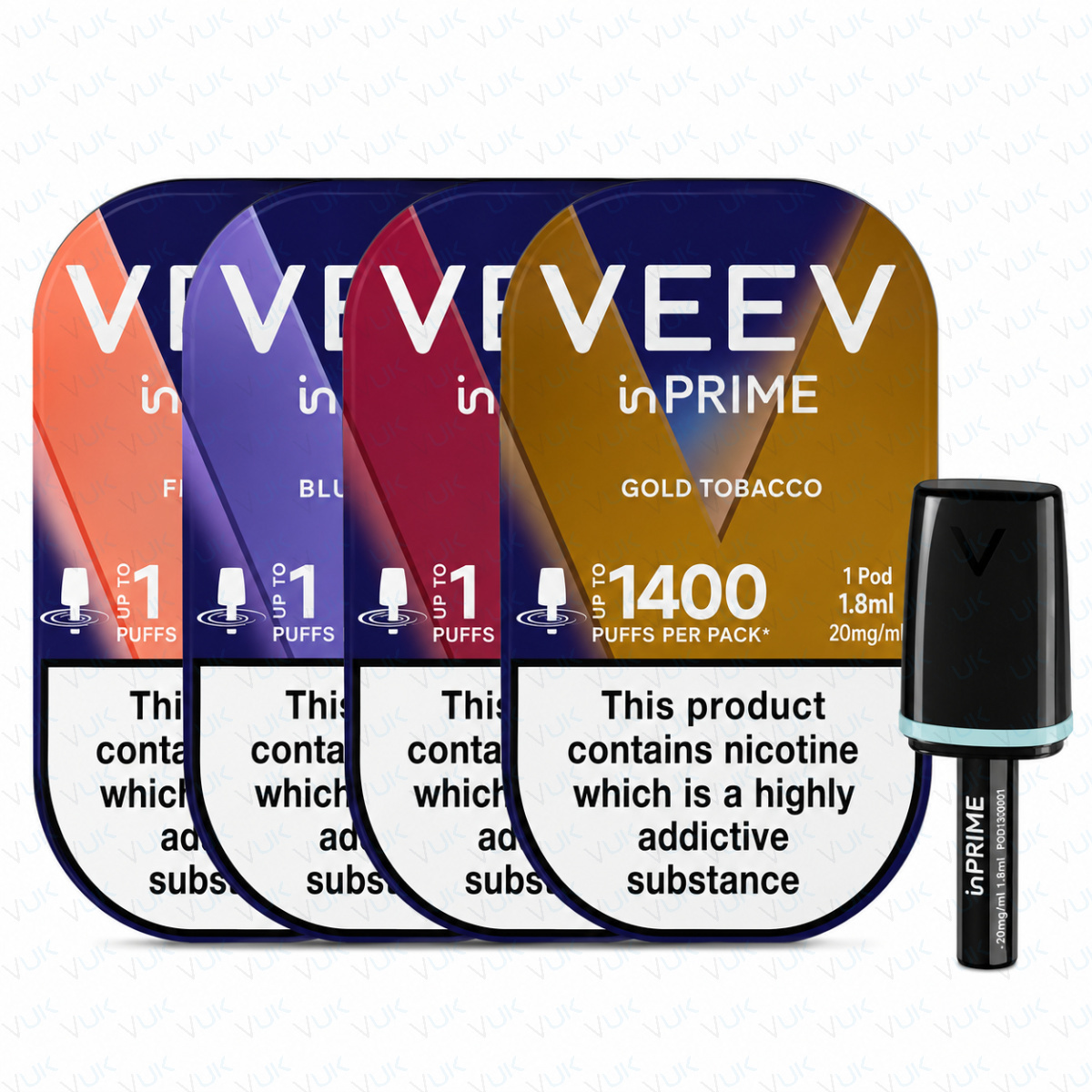
E-vapor shipments increased 55.1% to 1.3 billion equivalent units. PMI said VEEV held the leading position in Europe’s closed-pod segment, supported by continued growth in Germany, Romania and Greece.
The company did not disclose category-level revenue for VEEV, but said the brand was delivering increasingly profitable growth.
VEEV’s expansion supports PMI’s strategy of building a multicategory smoke-free portfolio spanning heated tobacco, oral nicotine and e-vapor products, rather than relying on a single product platform.
Cigarette pricing and selected markets support growth
PMI’s combustible business continued to expand alongside its smoke-free portfolio.
International cigarette shipments increased 1.1% to 156.9 billion units, with growth in Turkey, Indonesia and Egypt outweighing declines in other markets.
International combustible net revenues rose 9.8% to $6.46 billion, or 6.4% organically. Pricing contributed 10%, partly offset by an unfavourable geographic mix as developing economies accounted for a larger share of growth.
Gross profit increased 11.5%, or 8% organically. PMI’s cigarette category volume share remained unchanged at 25.3%, while Marlboro gained 0.3 percentage points to equal its record share of 11%.
The quarterly increase in cigarette shipments contrasted with the 1.5% decline recorded for full-year 2025. A single quarter does not necessarily indicate a reversal of the longer-term volume trend, but it shows that cigarettes remain capable of generating growth through a combination of pricing and higher shipments in selected markets.
PMI’s results also demonstrate that its transformation is not progressing through a single global model. In some markets, IQOS, ZYN or VEEV are becoming the principal growth products. In others, smoke-free products remain restricted or have a limited presence, leaving cigarettes as the main revenue driver.
Several markets are supporting growth in more than one category at the same time.
Full-year operating outlook maintained
PMI revised its full-year total shipment assumption from broadly stable to broadly stable or slightly growing.
The company continues to expect high-single-digit growth in smoke-free product shipments. Cigarette shipments are now forecast to decline by 2% to 3%, compared with an earlier expectation of around 3%.
PMI maintained its forecast for organic net revenue growth of 5% to 7% and organic operating income growth of 7% to 9%.
Its full-year adjusted diluted earnings forecast was updated only to reflect currency movements. Adjusted diluted earnings per share, excluding currency, are still expected to increase by 7.5% to 9.5%.
Capital expenditure is expected to total between $1.4 billion and $1.6 billion, with most of the spending directed toward the smoke-free business.
The company said the Middle East conflict had so far had only a minor effect on its operations. It had, however, increased transport, energy and other input costs in some markets, without producing a discernible change in consumer behaviour.
The results show that PMI’s smoke-free business is continuing to gain scale and profitability, but growth is becoming increasingly dependent on local regulation, competition, pricing and portfolio structure.
Cigarettes remain a major contributor to PMI’s revenue and profit growth, even as the company directs most of its planned capital expenditure toward smoke-free products.
Follow 2Firsts for further coverage of PMI and other international tobacco companies’ financial results.
Cover image generated by AI.

Disclaimer
This article is provided solely for professional research, industry discussion, and informational purposes. Any references to brands, companies, products, technologies, or policies are made for factual reporting and analytical purposes only, and do not constitute endorsement, recommendation, promotion, or advertising by 2Firsts.
Nicotine-containing products, including but not limited to cigarettes, e-cigarettes, heated tobacco products, and nicotine pouches, carry significant health risks. Readers are responsible for complying with all applicable laws and regulations in their respective jurisdictions, including age restrictions and access limitations.
The information contained in this article should not be regarded as investment, legal, medical, regulatory, or commercial advice. While 2Firsts strives to ensure the accuracy and reliability of its content, it does not assume liability for any direct or indirect loss arising from errors, omissions, inaccuracies, or reliance on the information contained herein.
This article is not intended for individuals below the legal age for accessing tobacco or nicotine-related information in their jurisdiction.
Copyright Notice
This article is either original content produced by 2Firsts or content reproduced, translated, summarized, or adapted from third-party sources with attribution where applicable. The intellectual property rights of the original content remain with 2Firsts or the respective original rights holders.
No individual or organization may copy, reproduce, distribute, republish, modify, translate, or otherwise use this content without prior authorization. Any unauthorized use may result in legal action.
For copyright-related inquiries, corrections, or removal requests, please contact: info@2firsts.com.
AI-Assisted Translation and Editing Notice
Portions of this article may have been translated, edited, or reviewed with the assistance of artificial intelligence tools to improve efficiency and readability. Due to the limitations of AI-assisted translation and editing, discrepancies, omissions, or inaccuracies may exist when compared with the original source.
Where applicable, readers are advised to refer to the original source for the most complete and accurate information. If you identify any errors or believe that any content infringes upon your rights, please contact us at info@2firsts.com, and we will review and address the matter promptly.



