Texas to Ban Certain Disposable E-Cigarettes Starting September, Forcing Retailers to Pivot

Aug.18.2025
Texas to Ban Certain Disposable E-Cigarettes Starting September, Forcing Retailers to Pivot
Beginning September 1, the state of Texas will enforce a ban on the sale of certain disposable e-cigarettes, including those manufactured in or sold from China, as well as devices containing non-nicotine intoxicating substances. Violators may face heavy penalties, while sales to minors carry even stricter punishments. The legislation, aimed at environmental protection and safeguarding youth, has sparked concern among vape retailers, some of whom are planning to pivot their business models.

Key Points:

  • Texas will implement a statewide ban on certain disposable e-cigarettes from September 1, covering products made in/sold from China and those with intoxicating substances other than nicotine.
  • Violations are classified as Class A misdemeanors, with penalties of up to one year in jail and a $4,000 fine; penalties for sales to minors are even harsher.
  • The ban aims to reduce environmental pollution and protect youth but threatens the survival of vape and THC retailers, forcing some to explore alternative business models, such as coffee shops.


According to The Cool Down (Aug 18), the ban stems from Senate Bill 2024, which prohibits a range of e-cigarette products in Texas. Lawmakers argue the move could significantly reduce harmful plastic waste and e-waste from disposable vapes, which contain plastic casings, non-biodegradable components, lithium batteries, and nicotine salts that can pollute soil and waterways.


Retailers warn of serious business impacts. Yelena Yuen, co-owner of The Glass House TX, said:


“It’s not just me and my husband being affected—we have to worry about our family and staff too. That’s what troubles me. I don’t want them, or anyone, including our customers, to be put in a bad situation.”


Disposable vapes have long been criticized as major pollutants, and the new law could drastically cut sales revenues for local businesses. Hans Enriquez, owner of Lazydaze, admitted the ban would hit his store’s revenue from cannabis vapes and concentrates but noted adaptability is key:


“We’re ready to shift and adjust. We can absolutely pivot to becoming a coffee shop.”


We welcome news tips, article submissions, interview requests, or comments on this piece.

Please contact us at info@2firsts.com, or reach out to Alan Zhao, CEO of 2Firsts, on LinkedIn


Notice

1.  This article is intended solely for professional research purposes related to industry, technology, and policy. Any references to brands or products are made purely for objective description and do not constitute any form of endorsement, recommendation, or promotion by 2Firsts.

2.  The use of nicotine-containing products — including, but not limited to, cigarettes, e-cigarettes, nicotine pouchand heated tobacco products — carries significant health risks. Users are responsible for complying with all applicable laws and regulations in their respective jurisdictions.

3.  This article is not intended to serve as the basis for any investment decisions or financial advice. 2Firsts assumes no direct or indirect liability for any inaccuracies or errors in the content.

4.  Access to this article is strictly prohibited for individuals below the legal age in their jurisdiction.


Copyright


This article is either an original work created by 2Firsts or a reproduction from third-party sources with proper attribution. All copyrights and usage rights belong to 2Firsts or the original content provider. Unauthorized reproduction, distribution, or any other form of unauthorized use by any individual or organization is strictly prohibited. Violators will be held legally accountable.

For copyright-related inquiries, please contact: info@2firsts.com


AI Assistance Disclaimer


This article may have been enhanced using AI tools to improve translation and editorial efficiency. However, due to technical limitations, inaccuracies may occur. Readers are encouraged to refer to the cited sources for the most accurate information.

We welcome any corrections or feedback. Please contact us at: info@2firsts.com

Canada Considers Easing Pharmacy-Only Nicotine Pouch Sales Rules, Potentially Reopening Convenience Store Channel
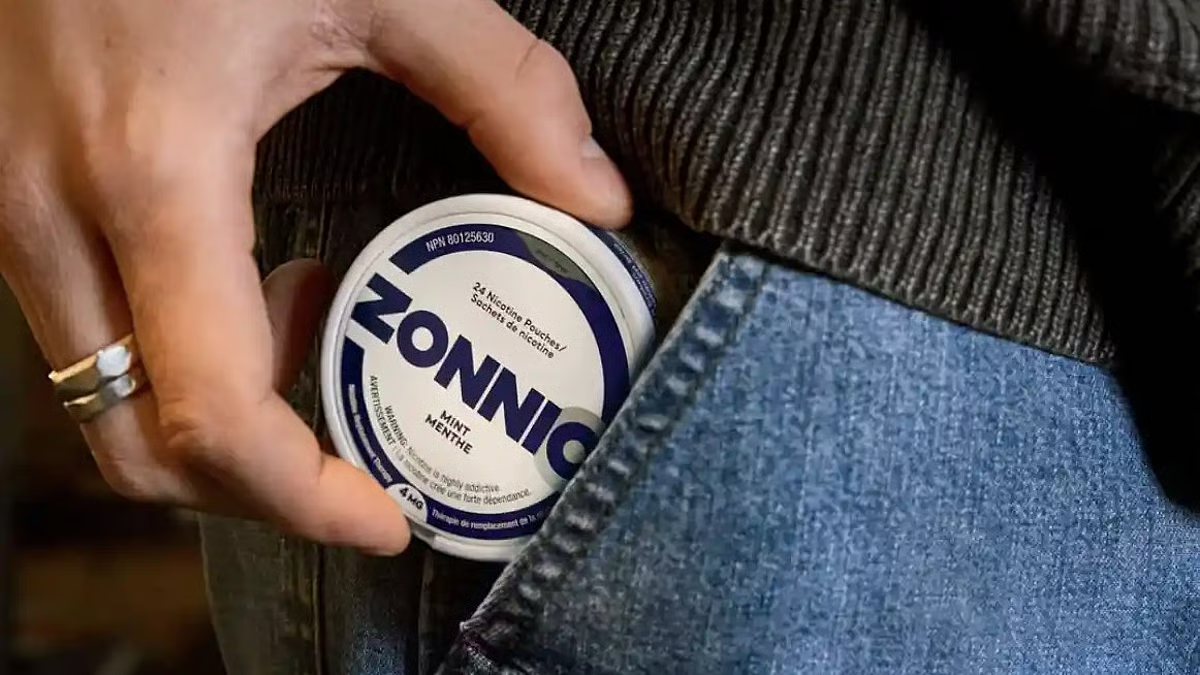
Canada's federal government is considering changes to current restrictions on where nicotine pouches can be sold, potentially allowing authorized products to return to convenience stores and other general retail channels, although no decision has been made. Since 2024, emerging nicotine replacement therapy products such as nicotine pouches have been largely restricted to behind-the-counter pharmacy sales. Health Canada, meanwhile, continues to recall unauthorized and higher-strength nicotine pouches, indicating that the current discussion concerns retail access for authorized products rather than a broad relaxation of nicotine pouch regulation.
Sep.14
Special Report|CrossBar's High-Puff Vapes Draw Attention on Pennsylvania's 163-Product Directory as Link Between Earlier 1.3mL PMTA Filings and New 13mL Products Remains Unclear
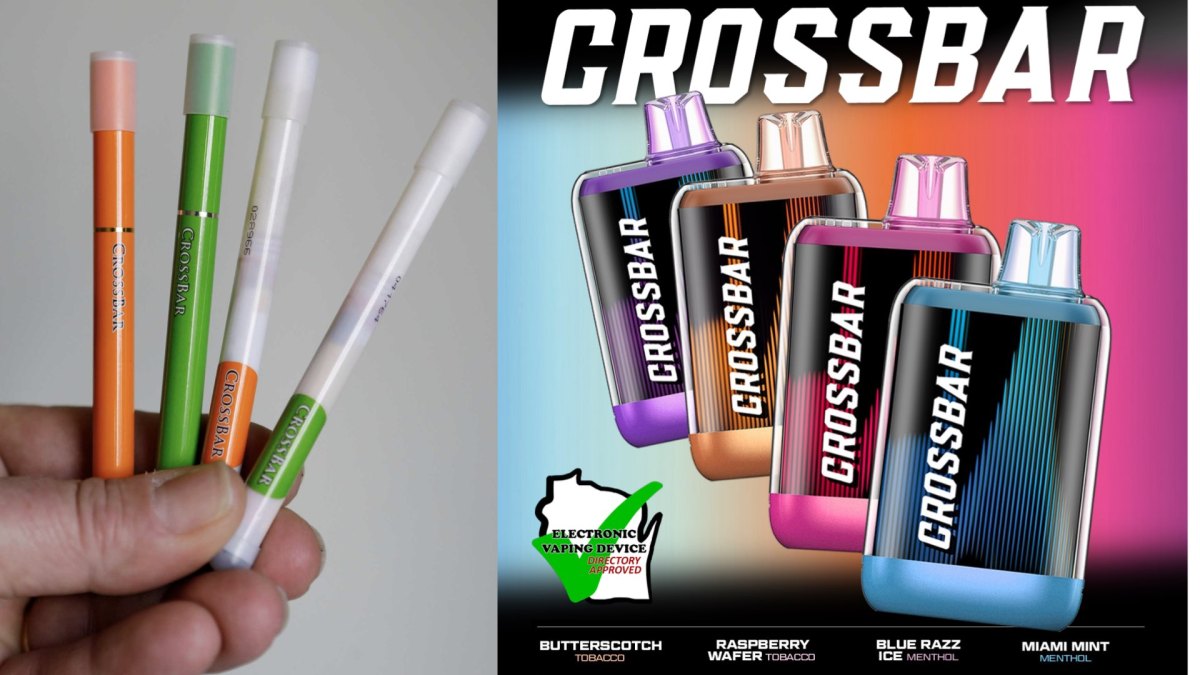
Pennsylvania began enforcing its electronic nicotine delivery system directory restrictions on October 19, 2026. Among 163 product listings recorded before enforcement, four CrossBar 20K disposables stood out with 13mL capacity, advertised puff counts of up to 20,000 and a flattened design distinct from conventional pod systems and compact disposables. Historical records identify earlier 1.3mL CrossBar products associated with Romo LLC, while newer 13mL products appeared in several state directories beginning in 2025 under entities including Blue Nine LLC. PMTA compliance expert Mr. K identified amendments and application ownership transfers as possible regulatory mechanisms, although neither has been confirmed in this case. Separately, Reynolds' $7.5 million acquisition of 16 PACHA products and related assets illustrates the commercial value of products linked to historic PMTA submissions.
Special Report
Oct.22
R.J. Reynolds Vapor Company Launches Flavored Vuse Pro Pods in U.S. Without FDA Marketing Authorization
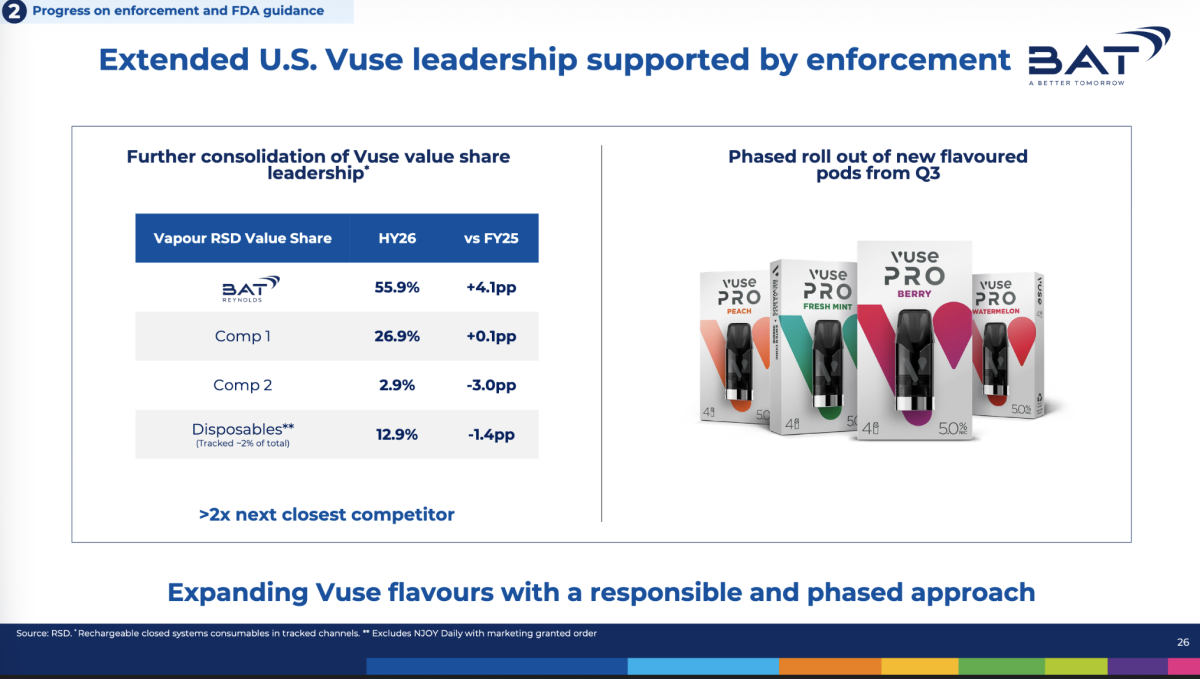
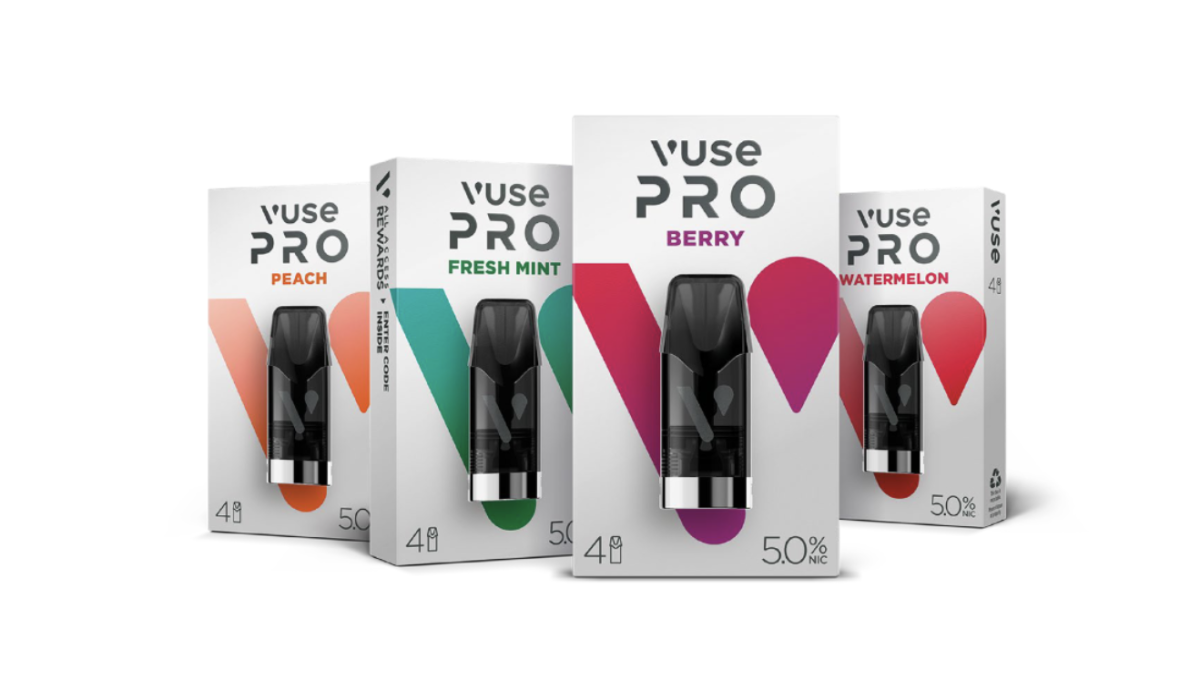
R.J. Reynolds Vapor Company has begun selling four flavored Vuse Pro pods — Peach, Berry, Watermelon and Fresh Mint — in Ohio and selected other U.S. markets. According to the Vuse U.S. FAQ, Vuse Pro contains approximately 5.0% nicotine by weight, and Vuse Pro pre-filled pods are intended for use with Vuse Alto devices. Reynolds told 2Firsts that product labeling lists an e-liquid capacity of 2.0 mL per pod. The Vuse Alto Power Unit received FDA marketing authorization in 2024, while the new Vuse Pro pods themselves have not received marketing granted orders. The rollout follows the FDA’s May 2026 revision of enforcement priorities for certain unauthorized vaping products with qualifying pending applications.
BAT
Sep.10
Special report|Indonesia's Vape Industry Has 200 Manufacturers and $1.7 Billion in Investment. Could a Regulatory Divide Derail Its Rise as the World's No. 2 Manufacturing Hub After Shenzhen?
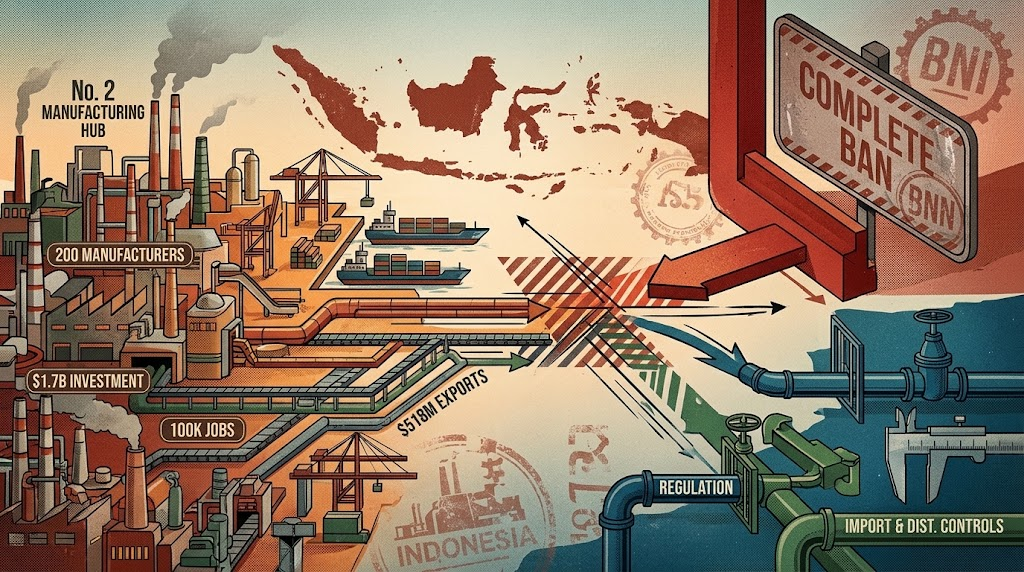
Indonesia's Ministry of Industry said at a November 3, 2026, policy forum that the country has about 200 electronic cigarette companies, Rp31 trillion (approximately $1.71 billion) in cumulative industry investment and around 100,000 jobs across the supply chain. The National Narcotics Agency is seeking a comprehensive ban on vape use and circulation, while the industry ministry favors tighter import, product-standard and distribution controls. Indonesia exported approximately $518 million in vaping products in 2025, and Chinese manufacturers including Smoore, GEEKVAPE and Jinjia Group have established local operations. An international logistics specialist interviewed by 2Firsts said more Chinese vape companies began production in Indonesia from the second half of 2025, accompanied by increased shipments of manufacturing equipment and investment in logistics facilities. The regulatory debate comes as Indonesia expands its role in international vaping manufacturing.
Special Report
Nov.05
US ITC Judge Finds Glas Infringed Two JUUL Vape Patents, Recommends Restrictions on Related Imports——Glas Received FDA Marketing Authorization for Four Vape Pods in May 2026; Proposed Restrictions Remain Under Commission Review
A U.S. International Trade Commission (USITC) administrative law judge issued an initial determination on October 20, 2026, finding that certain Glas vaping devices, cartridges and components infringed 12 claims across two patents asserted by JUUL, constituting a violation of Section 337 of the Tariff Act of 1930. The judge recommended a limited exclusion order and a cease and desist order against the Glas respondents. Five months earlier, the FDA authorized four Glas e-cigarette pods, including mango, blueberry and two menthol variants. The patent investigation concerns device and cartridge structures and is separate from FDA premarket review. The proposed import restrictions have not become final, and their product-level scope remains unresolved.
company
Nov.05
Product | R.J. Reynolds Launches Four Flavored Vuse Pro Pods for Vuse Alto Devices in U.S.
R.J. Reynolds Vapor Company has introduced Vuse Pro prefilled pods in Peach, Berry, Watermelon and Fresh Mint in selected U.S. states. Vuse’s U.S. website says the pods are intended for use with existing Vuse Alto devices. Each contains 2.0 mL of e-liquid at 5.0% nicotine by weight, uses nicotine salts and is offered in two- and four-pod packs. Reynolds said the rollout includes mandatory ID scanning for every purchase, purchase limits, stronger retailer-accountability requirements and strict age-restricted marketing standards. The four pods have not received marketing authorization from the U.S. Food and Drug Administration.
Sep.10