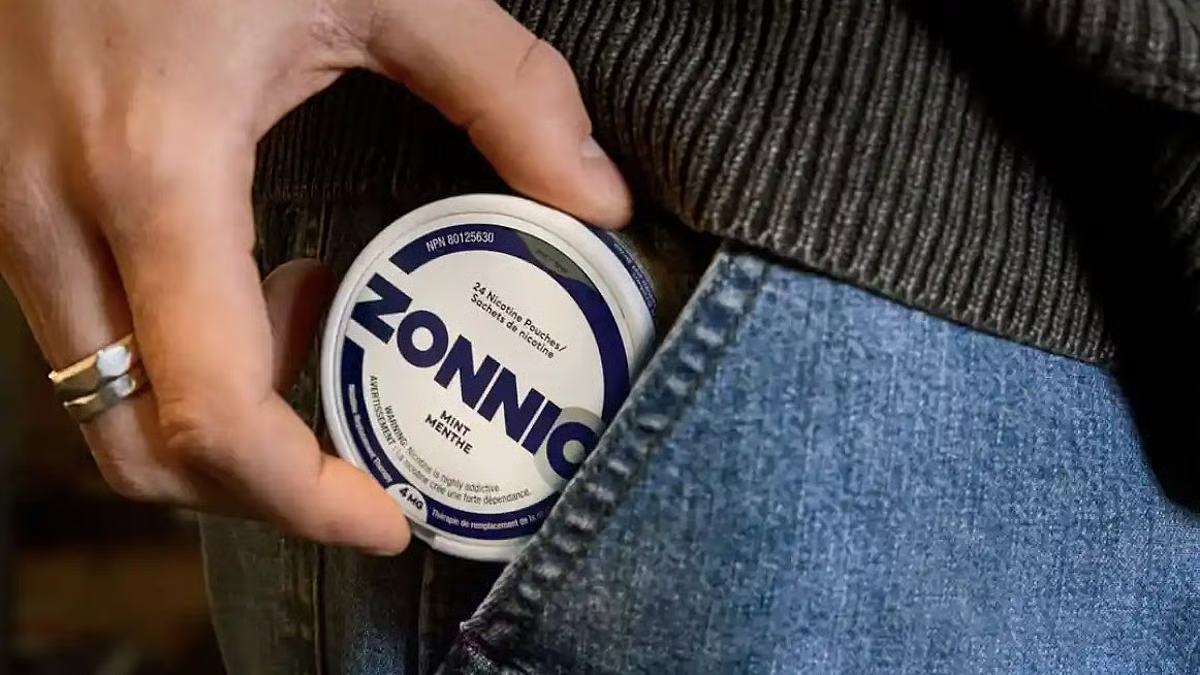
According to a report by Vietnamese media outlet baophapluat, Nguyen Chi Nghiem, the head of the legal department at the Vietnam Tobacco Association, expressed his views on the country's domestic regulatory policies and regulations at a recent seminar on new tobacco products. He believes that the government's continuous postponement of regulations on new tobacco products has negatively affected the rights of smokers and has caused numerous issues within society.
Lack of national regulation has led to issues.
Nguyen Zhi Ren stated that in Vietnam, policies and regulations for new generation tobacco products such as e-cigarettes and heated tobacco have yet to be established.
If we do not establish regulations in a timely manner, managing would become increasingly challenging as market demands rise, leading to numerous issues for society.
One of the most prominent issues is that it is difficult to trace the origin and quality of the new generation tobacco products that are widely available in the market. If any health problems arise, consumers have to take responsibility for their usage. Due to the lack of a legal framework, these new tobacco products also result in tax revenue losses, posing challenges for the country in dealing with smuggling crimes.
In addition, domestic legal tobacco production companies are unable to produce and operate these new products, which has had an impact on both domestic and international business activities. He pointed out that many foreign partners have approached the Vietnam Tobacco Association seeking collaboration to jointly produce these products, including heated tobacco products and even cigarettes.
User's right to access tobacco.
Ruǎn Zhìrén said that the reality shows that smokers cannot be forced to quit smoking, but they have the right to access new types of tobacco to reduce harm. Among harmful products, lesser harmful ones should be chosen and the users should be clearly informed about the harm of the products. If users understand the harm but still choose to use them, they will be responsible for their own choices.
With the development of science and technology, new types of tobacco products are being introduced as a smokeless solution aimed at reducing the harm posed by traditional cigarettes to both active and passive smokers.
Experts from around the world have put forth scientific evidence concerning these products. They have conducted numerous studies and experiments to arrive at conclusions about their potential benefits for smokers' health. Based on these findings, if smokers were to switch to using heated tobacco now, they may potentially reduce the health implications associated with smoking.
If traditional tobacco has been regulated by the Smoking Hazard Prevention and Mitigation Act since 2012, then policies for managing new generation tobacco products need to be formulated as early as possible to protect the rights of smokers.
He stated that as a representative of Vietnam's tobacco industry, the Vietnam Tobacco Association promises to comply with all policies regarding new generation tobacco products, including the publication of technical standards, printing warning labels on products, paying import taxes, special consumption taxes, tobacco harm prevention funds, environmental funds, value-added taxes, etc.
The role of the Vietnam Tobacco Association is to ensure that companies within the industry consistently adhere to regulations for tobacco harm prevention and manage supply and demand in accordance with government directives.
This is reflected in the limited maximum production output, as advanced science is being applied to technological standards in order to reduce tar (a substance found in tobacco leaves) and nicotine content. At the same time, efforts are being made to strengthen awareness and collaboration to ensure that tobacco products are not sold to individuals below the age of 18 at retail outlets.
In Vietnam, only five fully state-owned companies are authorized to produce and sell tobacco. Therefore, if new tobacco products are granted licenses, all the tax revenues will be allocated to the national budget.
He mentioned that the Vietnam Tobacco Association also wishes to swiftly establish and coordinate new policies for the management of novel tobacco products, in order to achieve uniformity among various departments and organizations. This will benefit not only individuals but also consumers, companies, relevant authorities, and the nation as a whole.
References:
The Vietnam Tobacco Association is hopeful that the policy on regulating new generation tobacco products will be enacted soon.
We welcome news tips, article submissions, interview requests, or comments on this piece.
Please contact us at info@2firsts.com, or reach out to Alan Zhao, CEO of 2Firsts, on LinkedIn
Notice
1. This article is intended solely for professional research purposes related to industry, technology, and policy. Any references to brands or products are made purely for objective description and do not constitute any form of endorsement, recommendation, or promotion by 2Firsts.
2. The use of nicotine-containing products — including, but not limited to, cigarettes, e-cigarettes, nicotine pouchand heated tobacco products — carries significant health risks. Users are responsible for complying with all applicable laws and regulations in their respective jurisdictions.
3. This article is not intended to serve as the basis for any investment decisions or financial advice. 2Firsts assumes no direct or indirect liability for any inaccuracies or errors in the content.
4. Access to this article is strictly prohibited for individuals below the legal age in their jurisdiction.
Copyright
This article is either an original work created by 2Firsts or a reproduction from third-party sources with proper attribution. All copyrights and usage rights belong to 2Firsts or the original content provider. Unauthorized reproduction, distribution, or any other form of unauthorized use by any individual or organization is strictly prohibited. Violators will be held legally accountable.
For copyright-related inquiries, please contact: info@2firsts.com
AI Assistance Disclaimer
This article may have been enhanced using AI tools to improve translation and editorial efficiency. However, due to technical limitations, inaccuracies may occur. Readers are encouraged to refer to the cited sources for the most accurate information.
We welcome any corrections or feedback. Please contact us at: info@2firsts.com