2/11
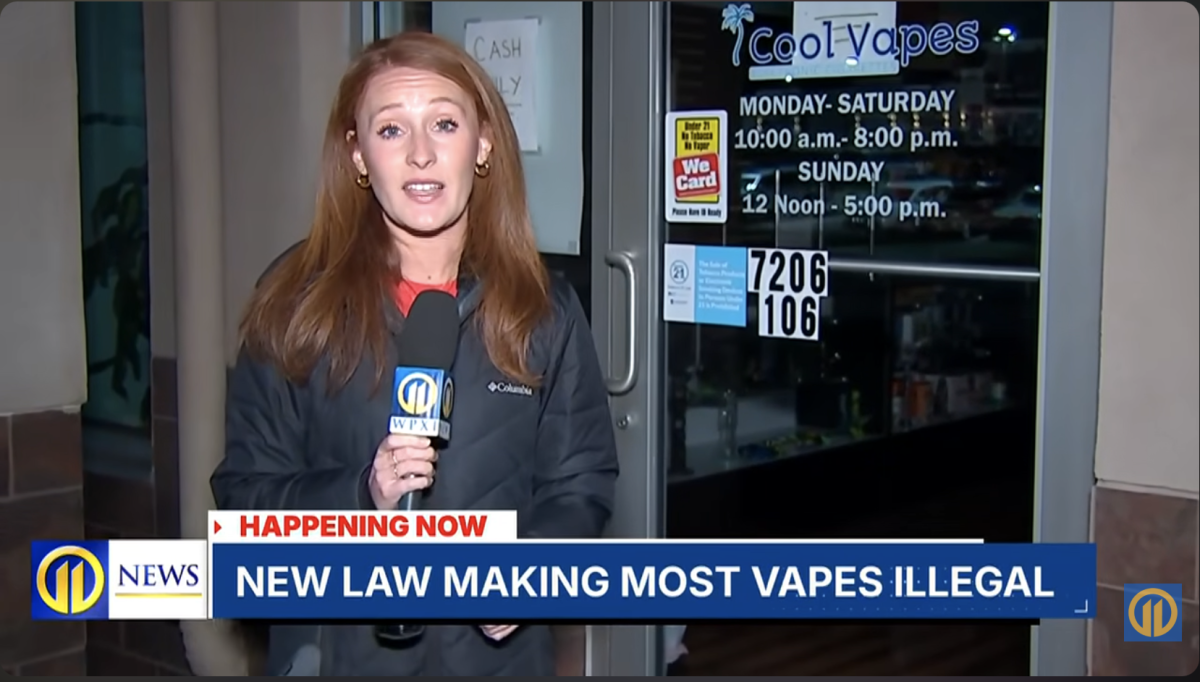
The sudden rise of smoke shops in central Pennsylvania has caught the attention of many locals. In recent months, it seems as though a new smoke shop opens its doors every week. The question on everyone's mind is: why so many, and why now?
3/11
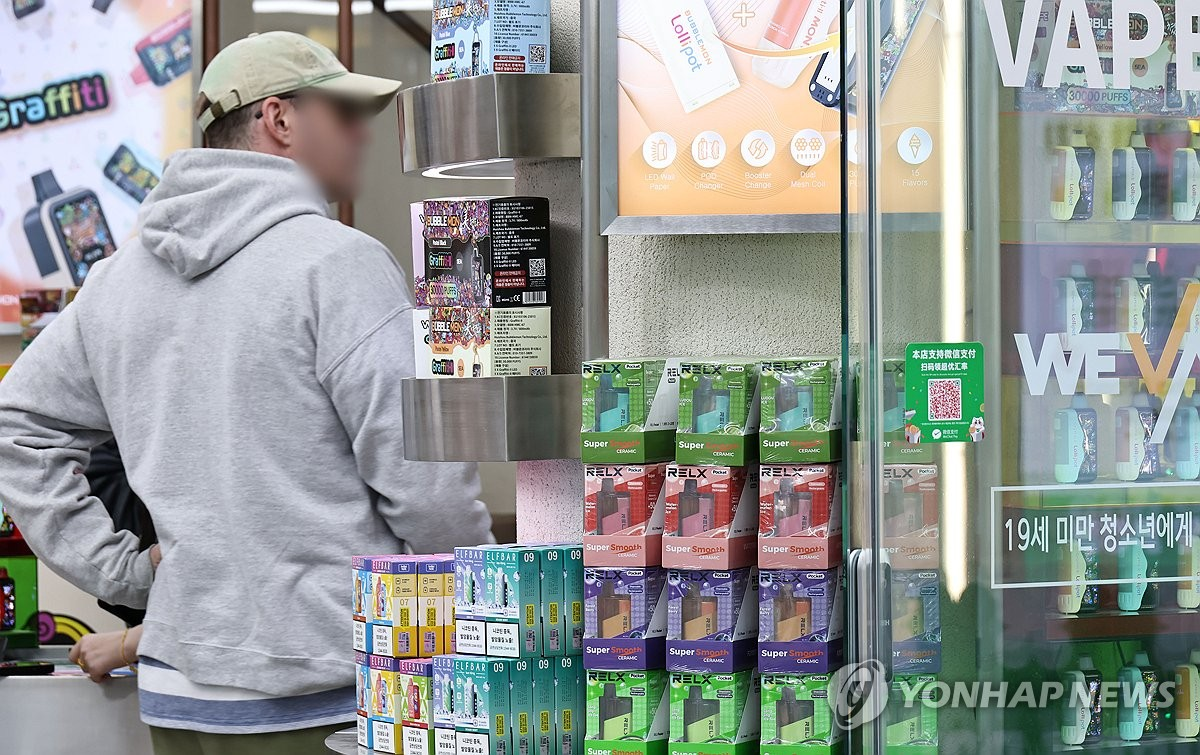
One possible explanation for the surge in smoke shops is the increase in the popularity of vaping. Vaping, the act of inhaling and exhaling vapor produced by an electronic cigarette or similar device, has become a trend among young adults. The convenience and variety of vaping products offered at these smoke shops could be a contributing factor to their rise in popularity.
4/11
Additionally, the recent legalization of recreational marijuana in surrounding states has sparked an interest in alternative smoking methods. Although marijuana itself remains illegal in Pennsylvania, the use of marijuana accessories such as pipes and vaporizers has increased. Smoke shops provide a convenient and legal way for individuals to purchase these accessories.
5/11
Another reason for the sudden rise of smoke shops could be the decline of traditional tobacco retailers. As more people turn to alternative smoking methods, the demand for traditional cigarettes has decreased. This has led to the closure of many tobacco shops and an opportunity for smoke shops to fill the void.
6/11
Furthermore, the location of central Pennsylvanian cities and towns could be a contributing factor. Many of these areas are located near major highways, making them easily accessible for those passing through. This accessibility could attract customers who are looking for a quick stop to purchase their smoking supplies.
7/11
Despite the sudden rise in smoke shops, some locals remain skeptical. Concerns have been raised about the potential health risks associated with vaping and the impact of smoking on public health. Others worry about the influence these smoke shops could have on younger generations.
8/11
In conclusion, the sudden rise of smoke shops in central Pennsylvania can be attributed to several factors. The popularity of vaping, the legalization of recreational marijuana in surrounding states, the decline of traditional tobacco retailers, and the convenient location of these shops all play a role in their increasing numbers. However, it is important to consider the potential risks and societal implications that come with the rise of smoke shops.
Disclaimer
This article is provided solely for professional research, industry discussion, and informational purposes. Any references to brands, companies, products, technologies, or policies are made for factual reporting and analytical purposes only, and do not constitute endorsement, recommendation, promotion, or advertising by 2Firsts.
Nicotine-containing products, including but not limited to cigarettes, e-cigarettes, heated tobacco products, and nicotine pouches, carry significant health risks. Readers are responsible for complying with all applicable laws and regulations in their respective jurisdictions, including age restrictions and access limitations.
The information contained in this article should not be regarded as investment, legal, medical, regulatory, or commercial advice. While 2Firsts strives to ensure the accuracy and reliability of its content, it does not assume liability for any direct or indirect loss arising from errors, omissions, inaccuracies, or reliance on the information contained herein.
This article is not intended for individuals below the legal age for accessing tobacco or nicotine-related information in their jurisdiction.
Copyright Notice
This article is either original content produced by 2Firsts or content reproduced, translated, summarized, or adapted from third-party sources with attribution where applicable. The intellectual property rights of the original content remain with 2Firsts or the respective original rights holders.
No individual or organization may copy, reproduce, distribute, republish, modify, translate, or otherwise use this content without prior authorization. Any unauthorized use may result in legal action.
For copyright-related inquiries, corrections, or removal requests, please contact: info@2firsts.com.
AI-Assisted Translation and Editing Notice
Portions of this article may have been translated, edited, or reviewed with the assistance of artificial intelligence tools to improve efficiency and readability. Due to the limitations of AI-assisted translation and editing, discrepancies, omissions, or inaccuracies may exist when compared with the original source.
Where applicable, readers are advised to refer to the original source for the most complete and accurate information. If you identify any errors or believe that any content infringes upon your rights, please contact us at info@2firsts.com, and we will review and address the matter promptly.