Key Points
- A vape vending machine in Cottbus was reportedly placed about 50 metres from a school entrance.
- Similar vending-machine concerns have been reported in Itzehoe, Germany, and Wabern, Switzerland.
- Age verification and school-area placement are the main points of concern.
- Selling vapes alongside snacks and drinks may weaken risk perception.
- Automated vape retail may face stricter siting and verification requirements.
2Firsts
July 6, 2026
Recent cases in Germany and Switzerland have drawn attention to vending machines selling vapes or tobacco products, with parents, teachers and residents questioning youth access, age verification and machine placement near schools. The reports suggest that automated vape retail is becoming a new regulatory focus in German-speaking Europe.
Three Local Cases Point to a Shared Issue
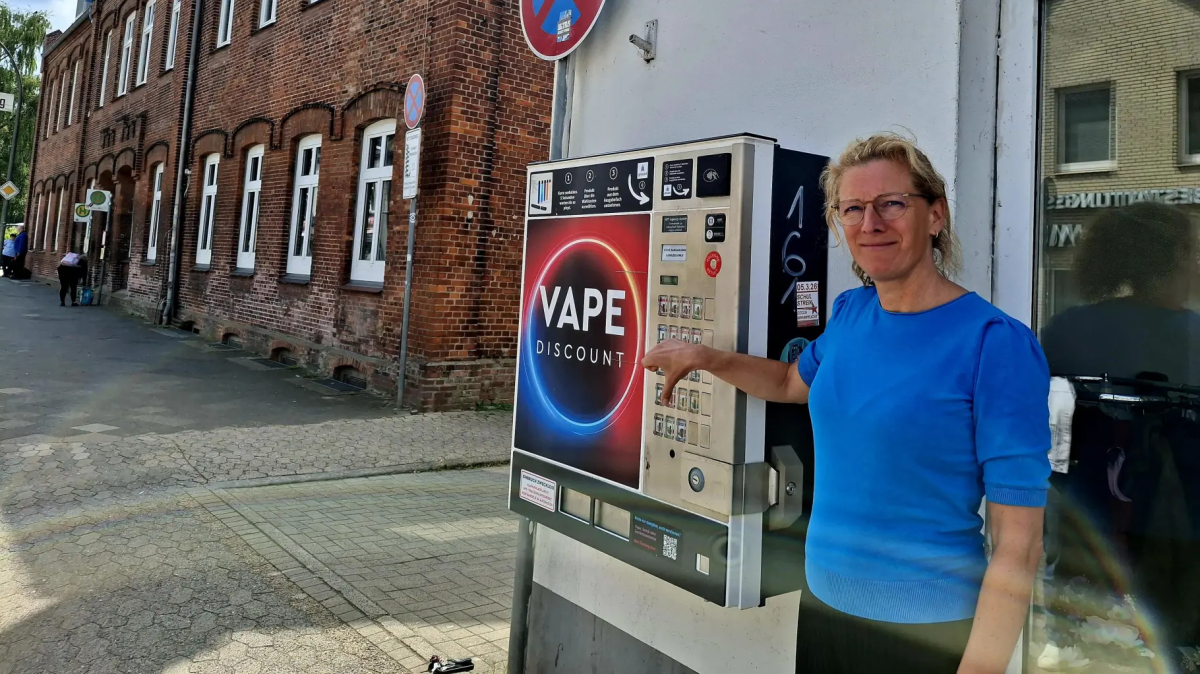
According to Lausitzer Rundschau, a vending machine near Fontane-Gesamtschule in Cottbus, Brandenburg, was placed about 50 metres from the school entrance. The machine was reported to sell vapes, energy drinks and “legal highs,” prompting parents to express concern and call for its removal.
In Itzehoe, Schleswig-Holstein, a headline from local media SHZ said teachers had raised concerns about a vending machine selling vapes and snacks. The case also centres on the relationship between vape vending channels and youth environments.
In Switzerland, 20 Minuten reported that a vending machine in Wabern near Bern sold vapes and cigarettes without age checks. The headline quoted a local resident saying they were shocked by the machine.
The three reports do not describe the same incident, nor is there evidence that they involve the same operator or regulatory investigation. But they highlight a common problem: when vapes, cigarettes or other nicotine products are sold through automated and unmanned channels, age verification and location management become central to enforcement.
School-Area Placement Raises Parent and Teacher Concerns
The Cottbus case is sensitive because of the machine’s proximity to a school. The report said the vending machine was located about 50 metres from the entrance to Fontane-Gesamtschule. For parents, the issue is not only whether the machine has age verification, but whether vape products are being placed in a space that students can see and approach every day.
The Itzehoe case shows that teachers are also alert to similar vending machines. Schools and teachers directly face student vaping issues, so vending terminals near campuses or on student routes are likely to attract stronger reactions.
From a regulatory standpoint, a school-area vending machine dispute is not automatically a finding of illegality. The key question is whether a machine that has an age-verification mechanism can still increase youth exposure or experimentation risk when it is placed close to a school.
This tension is becoming central to vape vending-machine debates. Operators may point to age checks and payment restrictions. Parents and schools, however, may focus on whether the machine normalises vaping, increases convenience and places the products in students’ daily consumption settings.
Age Verification Becomes the Core Weakness in Unmanned Retail
The Wabern case focuses on the absence of age checks. If a vending machine sells vapes and cigarettes without effective verification, it directly raises youth-protection concerns.
Switzerland’s new tobacco-products framework has introduced a nationwide minimum sales age of 18 for products covered by the law, including tobacco products and e-cigarettes. Germany also prohibits sales of tobacco and e-cigarettes to people under 18 and places restrictions on tobacco vending machines, requiring controls intended to prevent children and adolescents from buying.
Vending machines are therefore not an unregulated sales channel. The issue is whether their technology and setting are sufficient to ensure age limits are actually enforced. Card checks, ID scans, payment-account age recognition, remote manual verification, camera monitoring and abnormal-transaction records may all become areas of future regulatory scrutiny.
For the industry, age verification is no longer only the responsibility of a cashier. It is becoming a basic compliance capability for automated vending equipment and unmanned retail systems. If a machine cannot demonstrate that it effectively prevents underage purchases, the vending model itself will face greater scrutiny.
Selling Vapes Alongside Snacks and Drinks Adds to Risk-Perception Concerns
Another notable issue across the reports is the sale of vapes alongside ordinary consumer goods. In Cottbus, the machine was reported to sell vapes, energy drinks and “legal highs.” In Itzehoe, the headline referred to vapes and snacks being sold from a machine.
This product mix has particular significance in regulatory and public-health discussions. Vapes are age-restricted nicotine-related products, but when placed in the same machine as snacks, drinks or convenience items, they may appear visually and contextually closer to ordinary fast-moving consumer goods.
For young people, vending machines are often associated with snacks, drinks and quick purchases. If vapes are placed in the same setting, it may weaken the boundary between age-restricted nicotine products and ordinary consumer goods. Even if the final purchase requires age verification, the visibility and presentation of the products may still concern schools and parents.
For operators, selling vapes alongside snacks may improve foot traffic and machine economics. But from a compliance perspective, it may also increase regulatory risk. Future local reviews may examine not only whether a machine has age checks, but also its location, product mix, display format and advertising visuals.
Automated Vending Channels Face Higher Compliance Expectations
The commercial appeal of vape vending machines lies in lower labour costs, longer operating hours and flexible placement. But those same advantages create compliance challenges. Unlike staffed stores, vending machines cannot rely on sales staff to assess a buyer’s age, unusual behaviour or possible proxy purchasing in real time.
As a result, vending channels may face higher requirements. First, siting rules may tighten, especially near schools, youth facilities, sports sites and public-transport points. Second, age-verification technology may need to move from formal checks toward auditable and traceable substantive verification. Third, operators may need to assume clearer responsibility for equipment maintenance, monitoring records, complaint handling and rapid removal or correction after violations.
For Germany and Switzerland, these controversies show that vape regulation is moving from whether a product may be legally sold to how, where and in what setting it is sold. The social acceptability of the sales channel is becoming part of compliance risk.
Industry Impact and Next Steps
From an industry perspective, the vending-machine disputes in German-speaking Europe send three signals.
First, vending machines are becoming a new regulatory boundary for youth protection. Even when products are legal, machines near schools or without effective age verification may trigger public and regulatory pressure.
Second, selling vapes alongside ordinary consumer goods will face greater scrutiny. Placing vapes next to snacks and drinks may improve convenience, but it also amplifies youth visibility and risk-perception concerns.
Third, competition may shift from placing more terminals to operating compliant terminals. Device operators and brands will need to show that their vending systems have effective age verification, traceable transaction records, compliant siting and rapid remediation capability.
Key issues to watch include whether the machines in Cottbus and Itzehoe are removed or modified, whether the Wabern case leads to local enforcement action, and whether Germany or Switzerland further clarifies rules for vape vending machines near schools.
Overall, these cases are not just isolated vending-machine disputes. They show the compliance problems that emerge as vape retail moves into unmanned channels. For the industry, vending machines can only become a sustainable channel if they address four core issues: age verification, location, product mix and operator responsibility.
Follow 2Firsts for the latest updates on global tobacco harm reduction, nicotine products and regulatory developments.
Image source: SHZ
Disclaimer
This article is provided solely for professional research, industry discussion, and informational purposes. Any references to brands, companies, products, technologies, or policies are made for factual reporting and analytical purposes only, and do not constitute endorsement, recommendation, promotion, or advertising by 2Firsts.
Nicotine-containing products, including but not limited to cigarettes, e-cigarettes, heated tobacco products, and nicotine pouches, carry significant health risks. Readers are responsible for complying with all applicable laws and regulations in their respective jurisdictions, including age restrictions and access limitations.
The information contained in this article should not be regarded as investment, legal, medical, regulatory, or commercial advice. While 2Firsts strives to ensure the accuracy and reliability of its content, it does not assume liability for any direct or indirect loss arising from errors, omissions, inaccuracies, or reliance on the information contained herein.
This article is not intended for individuals below the legal age for accessing tobacco or nicotine-related information in their jurisdiction.
Copyright Notice
This article is either original content produced by 2Firsts or content reproduced, translated, summarized, or adapted from third-party sources with attribution where applicable. The intellectual property rights of the original content remain with 2Firsts or the respective original rights holders.
No individual or organization may copy, reproduce, distribute, republish, modify, translate, or otherwise use this content without prior authorization. Any unauthorized use may result in legal action.
For copyright-related inquiries, corrections, or removal requests, please contact: info@2firsts.com.
AI-Assisted Translation and Editing Notice
Portions of this article may have been translated, edited, or reviewed with the assistance of artificial intelligence tools to improve efficiency and readability. Due to the limitations of AI-assisted translation and editing, discrepancies, omissions, or inaccuracies may exist when compared with the original source.
Where applicable, readers are advised to refer to the original source for the most complete and accurate information. If you identify any errors or believe that any content infringes upon your rights, please contact us at info@2firsts.com, and we will review and address the matter promptly.