
Newsletters
Subscribe
NAS&FDLI
NAS2026
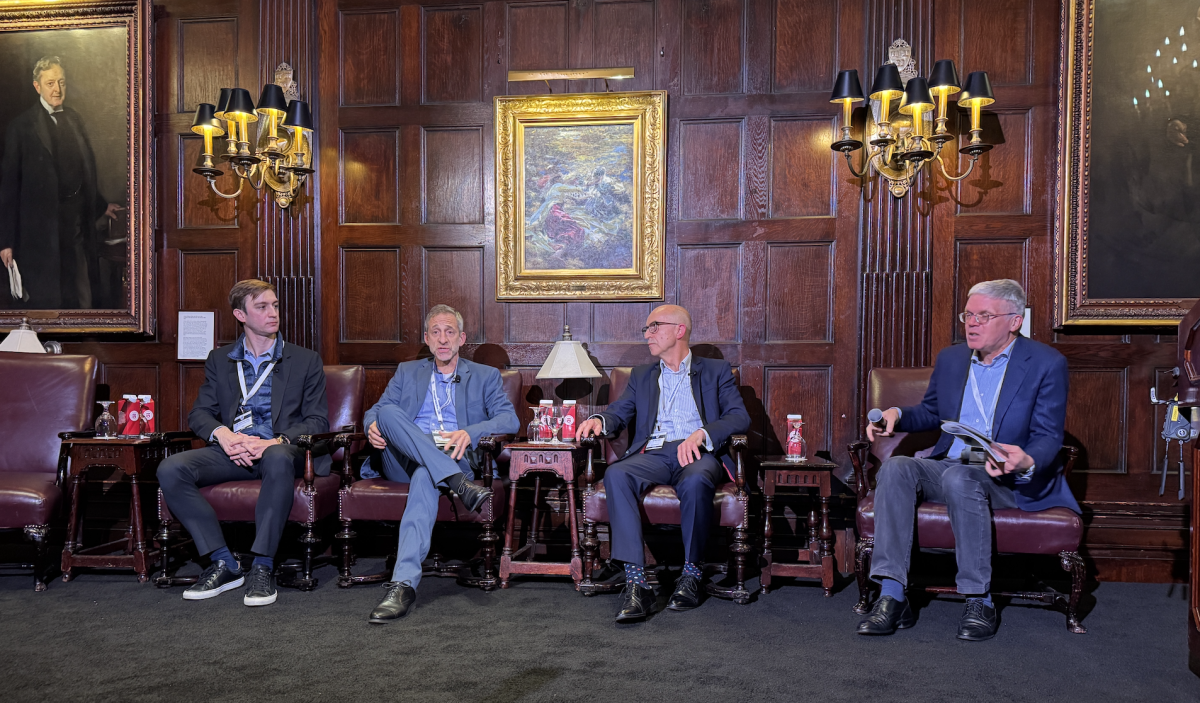
Special Report | How Capital Is Reassessing the Global Tobacco and Modern Nicotine Industry: Lessons from a New York Forum
Capital is reassessing the global tobacco and modern nicotine industry as heated tobacco, vaping and nicotine pouches reshape demand, profitability and regulation. At the 2026 New Approaches Summit in New York, investors and analysts examined whether smoke-free growth can sustain earnings, how regulation shapes startup value, and whether shareholder engagement can be more effective than divestment. The debate points to a broader shift: tobacco transition is increasingly becoming a capital-allocation, governance and valuation question.
Oct.05
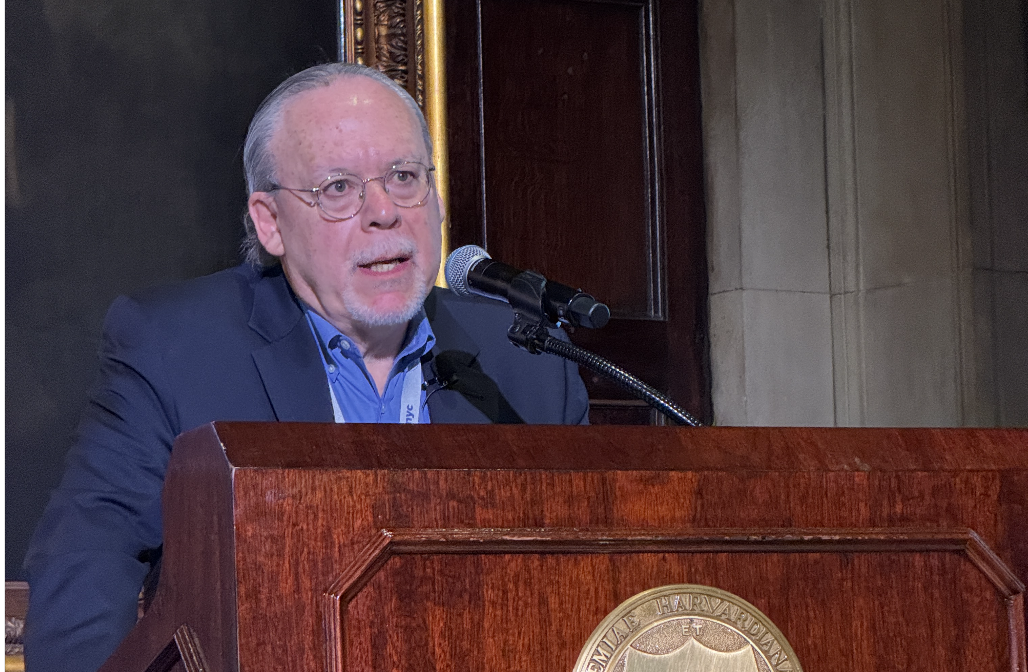
NAS 2026 | Former FDA Tobacco Chief Mitch Zeller Calls for Shift From “End Game” to “End State”
At the 2026 New Approaches Summit in New York, former FDA Center for Tobacco Products Director Mitch Zeller called for the tobacco harm reduction debate to shift from the traditional “end game” toward defining a desired “end state.” He also highlighted unresolved concerns around dual use, argued that biomarkers of exposure may be more meaningful than cigarettes-per-day in assessing risk reduction, and said nicotine misperceptions remain a major barrier to public health progress.
Sep.25
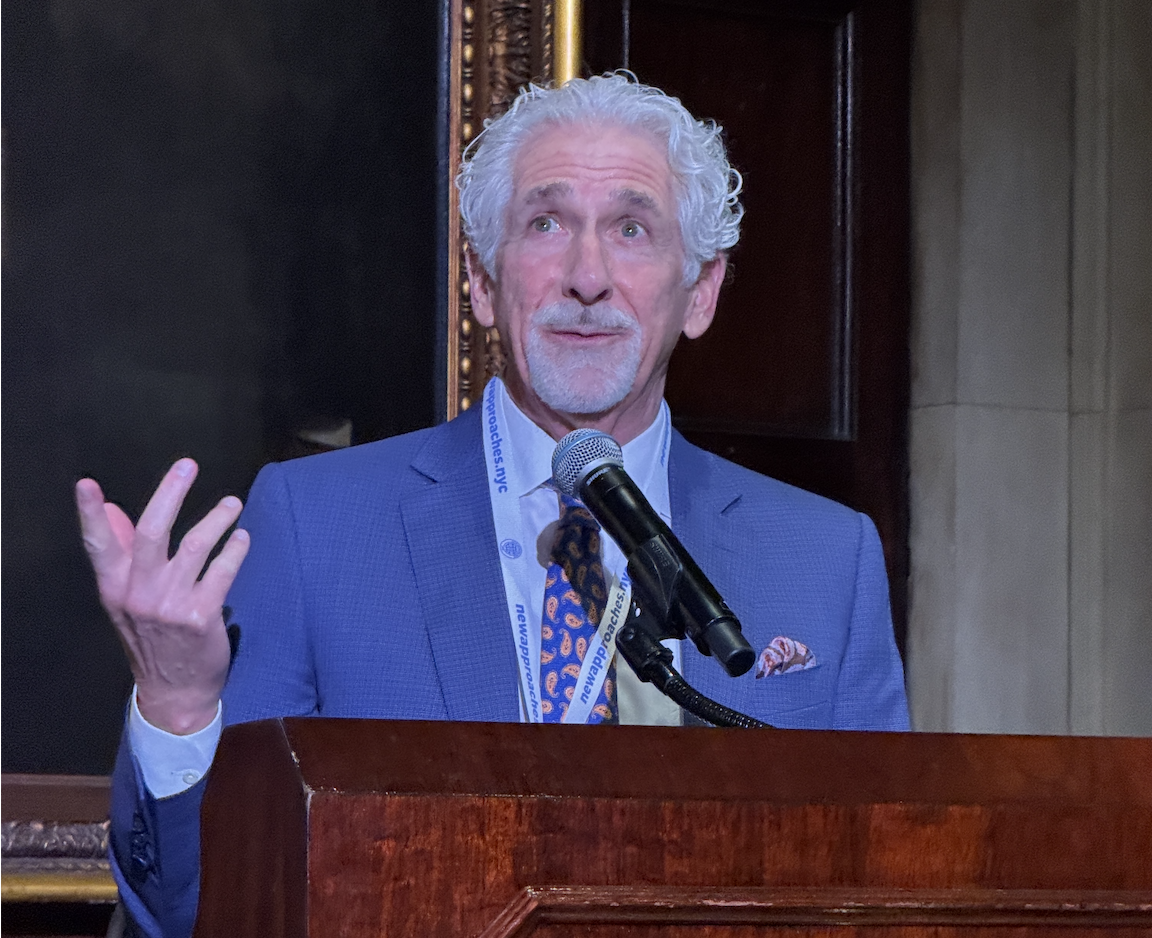
NAS 2026 | FDA CTP Director Says PMTA Pathway Is “Predicated on Tobacco Harm Reduction”
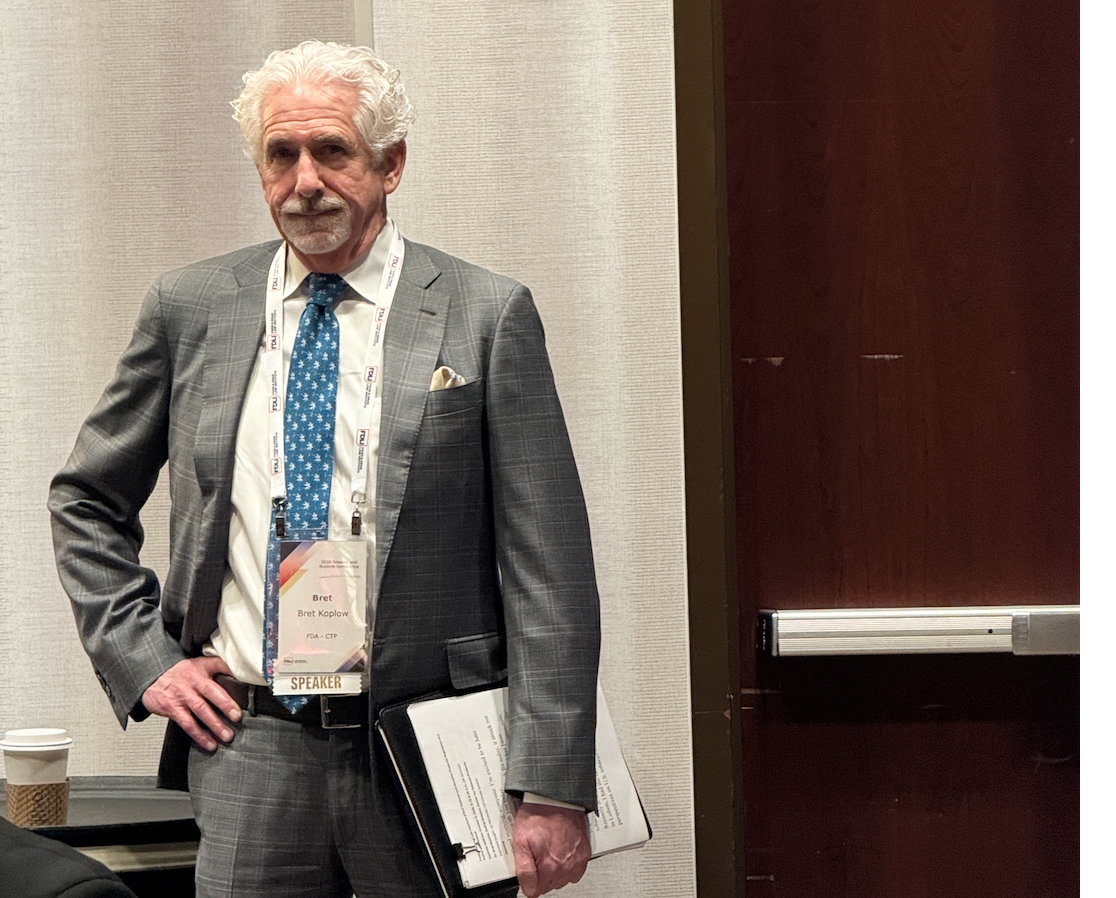
At the 2026 New Approaches Summit in New York, FDA Center for Tobacco Products Director Bret Koplow said the PMTA pathway is “predicated on tobacco harm reduction.” He outlined four CTP priorities: youth prevention, helping adults quit or switch to lower-risk products, improving relative-risk communication, and reducing unauthorized products. Koplow also addressed flavored e-cigarettes, public risk perceptions, industry credibility and efforts to make PMTA reviews more efficient and predictable.
Sep.26
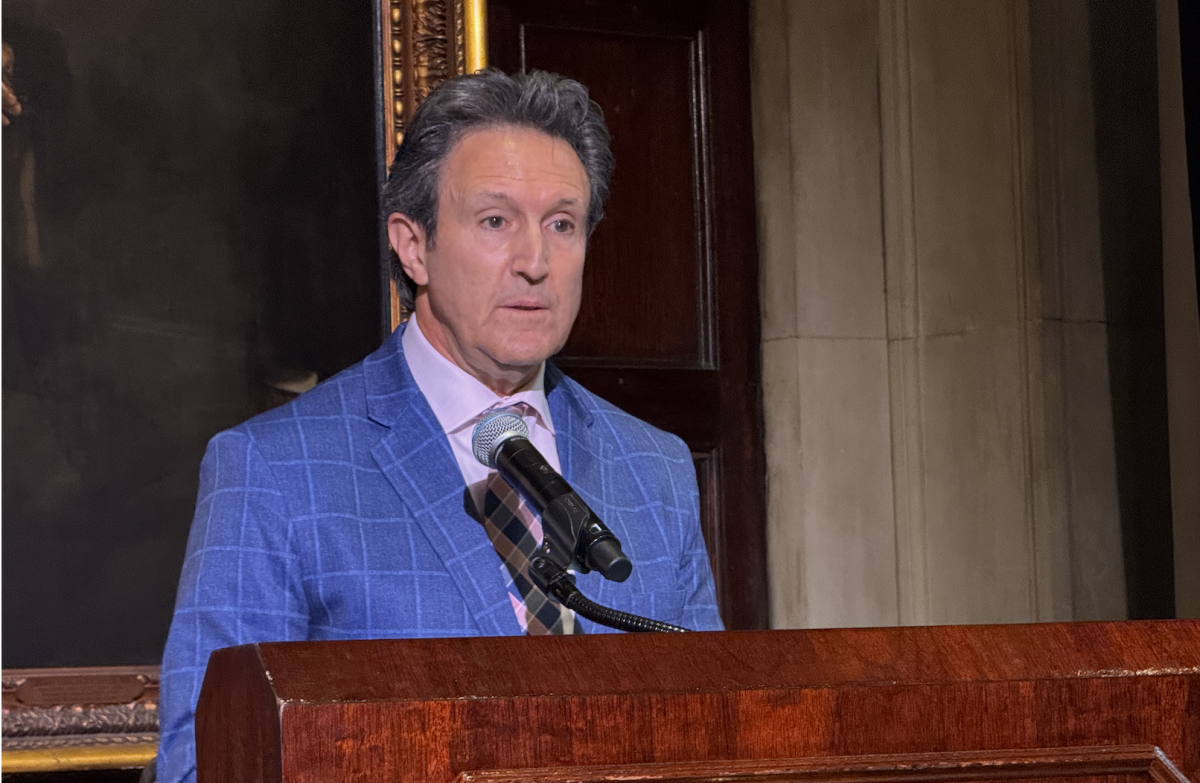
NAS 2026 | Cliff Douglas: Risk Continuum Should Play a Central Role in Tobacco Policy
Cliff Douglas, a veteran U.S. tobacco-control and public health policy figure, told NAS 2026 that the “continuum of risk” should play a central role in tobacco policy. He called for clearer market pathways, stronger risk communication, differentiated regulation and enforcement, and said possible FDA reforms to PMTA reviews could be a “welcome correction” if they create a more efficient, predictable route for scientifically substantiated lower-risk products. Read 2Firsts’ on-site coverage.
Sep.26
FDLI2026
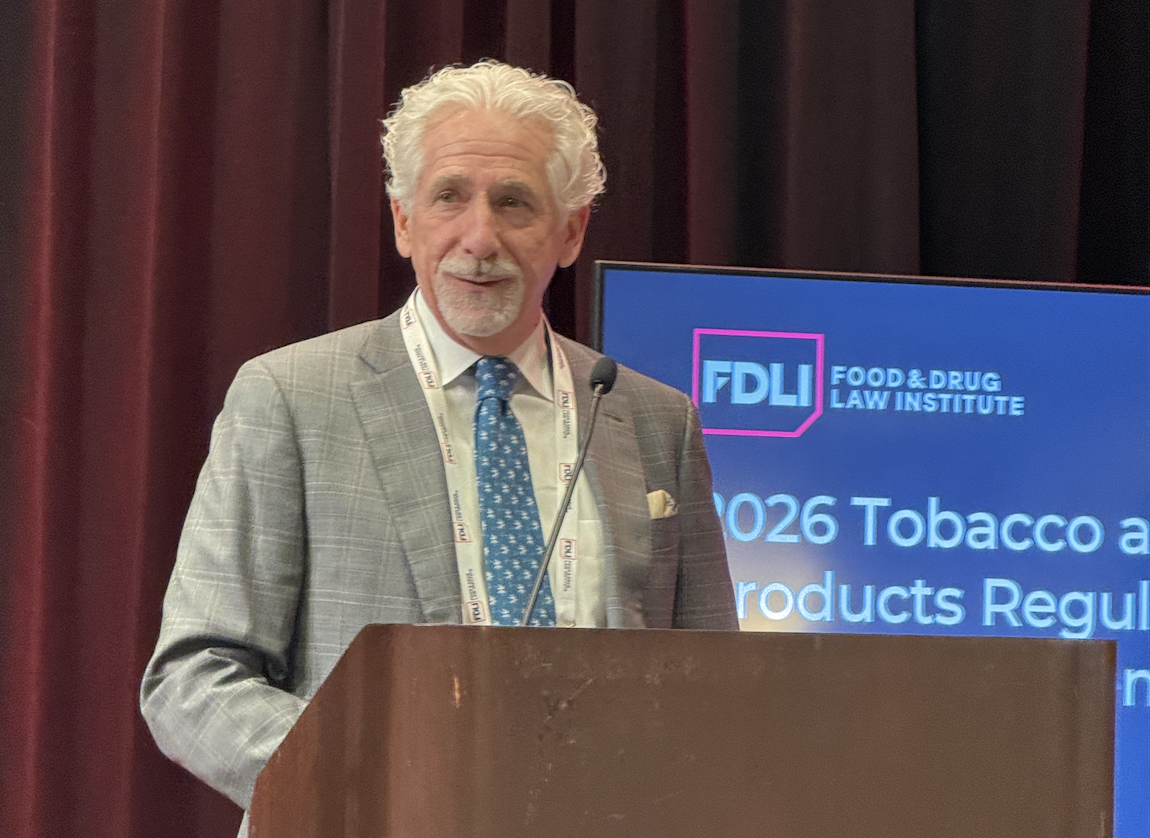
On-Site Report | After FDA Announces Review of PMTA Framework, CTP Director Details Reform Priorities
FDA CTP Director Bret Koplow used his FDLI keynote in Washington to outline how the agency is rethinking the PMTA framework. He discussed category-specific review, nicotine pouch and sPMTA pilots, AI-assisted review, a 70% reduction in pending applications, and a major staffing constraint: CTP currently has only nine scientific review teams. He also reaffirmed tobacco harm reduction while stressing youth protection, flavored products, risk communication, and the challenge of unauthorized e-cigarettes.
Oct.06
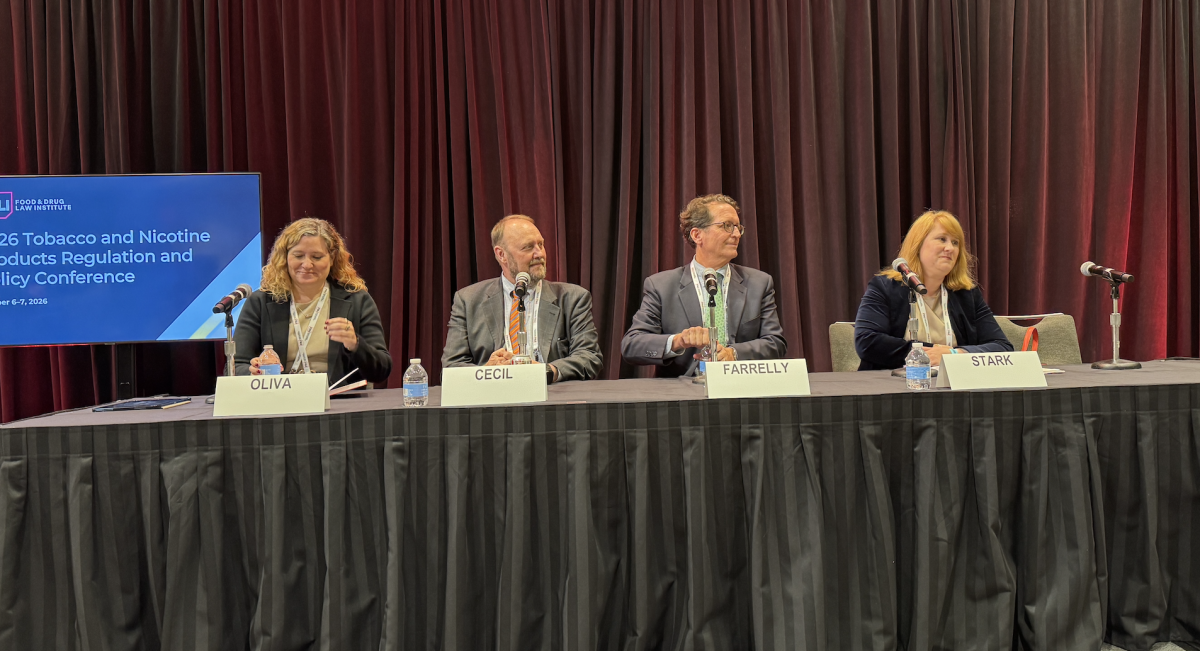
On-Site Report | CTP Details PMTA Backlog, 180-Day Review Goal and sPMTA Process
FDA’s Center for Tobacco Products detailed new PMTA review data and process changes at the 2026 FDLI conference. Pending PMTAs fell from about 450,000 at the start of 2025 to 135,000 by September 2026. CTP also discussed its 180-day review goal, current sPMTA pilot, alternate-supplier planning, more than 50,300 pending SE reports, and lessons from the nicotine pouch pilot already being applied to ENDS review.
Oct.07
Stay up to date.
Submit your email to receive weekly newsletter on the most relevant news of the e-cigarette industry.
sign up
© 2026 2FIRSTS. All Right Reserved.
2FIRSTS is only accessible to industry practitioners, researchers, media and other professionals. Access by minors is prohibited.
This website provides services to users outside the Chinese mainland.
English
English
中文