Key Points
- The rules cover alternative nicotine supply chains.
- Makers and distributors need licenses from 2028.
- Toy-like and food-like packaging is banned.
- The bill does not add a vape excise tax.
2Firsts, June 23, 2026 — According to AZ Free News and the Arizona Capitol Times, Arizona has enacted HB 4001, bringing alternative nicotine products under a new state regulatory framework covering packaging, retail sales, age verification, and licensing for manufacturers and distributors.
Supply-Chain Access Regulation
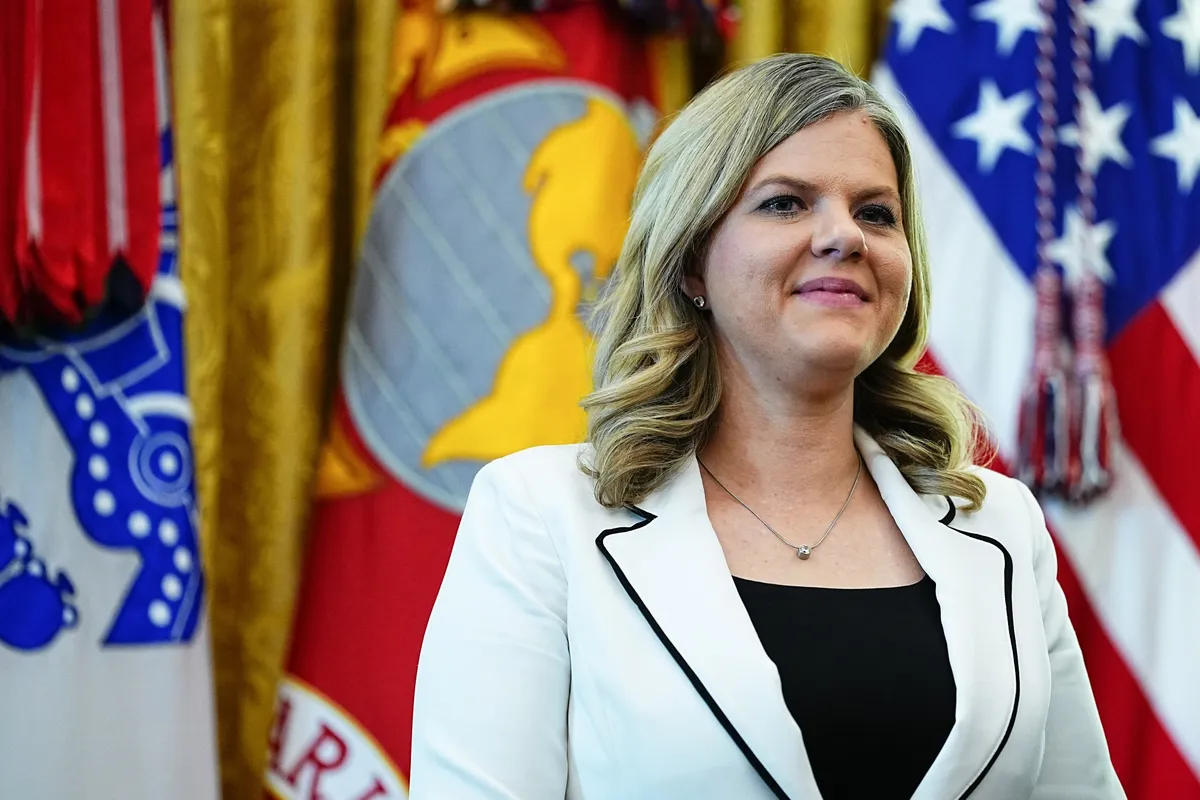
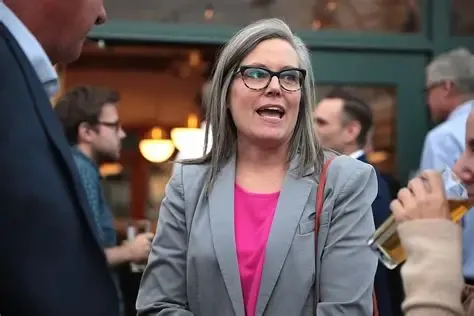
The measure was signed into law by Arizona Governor Katie Hobbs in early June. According to state legislative records, HB 4001 is now Chapter 124 of the 2026 session laws. The law defines “alternative nicotine products” as noncombustible products containing nicotine and intended for human consumption, including through chewing, absorption, dissolution, ingestion or inhalation.
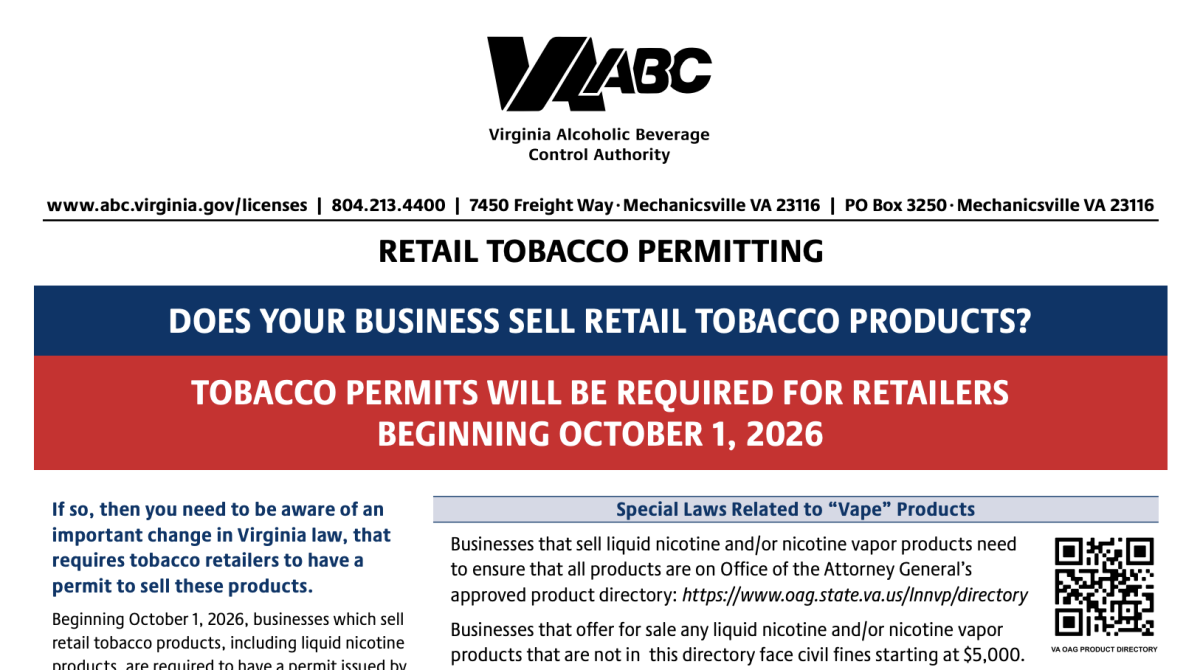
One of HB 4001’s main industry implications is that manufacturers and distributors of alternative nicotine products will be brought into a licensing system. Beginning in 2028, manufacturers or distributors of alternative nicotine products will need to obtain licenses from the Arizona Department of Liquor Licenses and Control (DLLC).
The report said distributing alternative nicotine products without a license could result in a class 5 felony, a mandatory $10,000 fine, a one-year prohibition on selling or distributing alternative nicotine products and any other punishment deemed appropriate by a court.
The Arizona Capitol Times reported that Republican Representative Jeff Weninger, the sponsor of HB 4001, described the measure as “historic.” He said it was the first time in years that tobacco companies, vape manufacturers and dealers, retailers and the Arizona Attorney General’s Office had jointly backed a regulatory package they could support.
Weninger said the bill does not prevent future lawmakers from making further changes, but starts with incremental reform that can secure enough votes. He also said the licensing system would help target illicit vapes imported from overseas with unknown contents. That framing shows HB 4001’s policy focus goes beyond retail age checks and extends to more traceable supply-chain oversight for alternative nicotine products.
Packaging and Retail Restrictions
HB 4001 bans alternative nicotine products from using packaging, appearance or design that could appeal to minors. Prohibited practices include using cartoon-like fictional characters, imitating trademarks or trade dress of products primarily marketed to minors, using symbols primarily used to market products to minors, or using a celebrity’s name or image.
The law also bans product shapes or designs that disguise the product’s appearance, including designs resembling school or office supplies, smartphones, smartwatches, phone or watch cases, headphones, earbuds, clothing, backpacks, cosmetics or cosmetic containers, toys, video game devices, food or beverage products.
The report said violations of the marketing restrictions on alternative nicotine products can be treated as a class 3 misdemeanor. The provision is aimed at vapes and other nicotine products that use toy-like, food-like or electronics-style designs to attract younger consumers.
HB 4001 also creates a tiered penalty system for selling alternative nicotine products to underage buyers. A first offense carries a fine of $500 to $750 and requires the offender to complete a court-approved tobacco retailer education course.
Retailers or individuals who continue selling to underage buyers must still complete a court-approved tobacco retailer education course and face tougher penalties, including longer prohibitions on selling alternative nicotine products, higher fines and more serious criminal charges. The report said repeat offenders may face fines of up to $10,000, a prohibition on selling alternative nicotine products for up to one year and criminal charges up to a class 5 felony.
Weninger said nicotine companies should not look for ways to entice children to their products and that businesses have a duty to ensure customers are of legal age. “Nicotine products should not be designing products that look like toys or marketing them in ways that appeal to high school students,” he said. He added that Arizona would no longer look the other way if nicotine products are sold to minors.
The law also increases age-verification requirements and penalties for selling nicotine products to underage individuals. Arizona prohibits the sale of nicotine products to people under 21. The state raised the minimum age from 18 to 21 last year to conform with federal regulations amended in 2019. Active-duty military personnel who are at least 18 are exempt from the minimum-age requirement.
Licensing and Tax Gap
DLLC estimated that hiring new personnel needed to enforce the law would cost about $3.6 million annually. However, the Joint Legislative Budget Committee (JLBC) said it could not validate that estimate. JLBC also said licensing revenue was indeterminable because the law did not establish specific license fees.
Public-health groups said the bill does not go far enough. Brian Hummell, who lobbies for the American Cancer Society Cancer Action Network, said he was concerned lawmakers would conclude they had solved the youth vaping issue and stop pursuing deeper reforms. He argued that the bill lacks sufficient enforcement resources and does not impose taxes on vapes and alternative nicotine products comparable to those on cigarettes, cigars and other tobacco products.
Taxation was one of the central disputes around HB 4001. The Arizona Capitol Times reported that Arizona’s cigarette tax is $2 per pack and that chewing tobacco, cigars and other traditional tobacco products are also taxed by quantity or weight. However, the law does not impose a comparable tax on nicotine-containing vape products or alternative nicotine products.
Democratic Representative Kevin Volk previously proposed a stronger tax measure that would have imposed a levy on vaping products equal to 50% of the retail price. Arizona State University’s Seidman Research Institute estimated that such a levy could raise $45.5 million to $64.4 million a year, but the proposal did not receive a hearing. Volk ultimately supported HB 4001, calling it one piece of the regulatory puzzle.
The tax gap is also tied to declining revenue for Arizona tobacco-tax-funded programs. The Arizona Capitol Times reported that the First Things First program relies on tobacco tax revenue approved by voters in 2006, but that revenue has fallen from $164.8 million in fiscal 2008 to $88.6 million in fiscal 2025.
From an industry perspective, HB 4001 is not simply an underage-sales penalty law. It is Arizona’s first broader framework bringing alternative nicotine products into licensing, packaging and retail regulation. The law creates compliance requirements for manufacturers, distributors and retailers, potentially reshaping supply-chain management for vapes, nicotine pouches and other noncombustible nicotine products in the state.
For businesses, key issues to watch include how DLLC sets licensing procedures and fees, how regulators define and review non-compliant packaging, how retailers implement age verification, and whether the state continues to pursue tax measures for vapes or alternative nicotine products. The law also reflects a broader shift in U.S. state-level regulation from age limits alone toward supply-chain traceability, packaging scrutiny and illicit-product control.
Follow 2Firsts for the latest updates on global tobacco harm reduction, nicotine products and regulatory developments.
(Cover Image:Arizona Governor Katie Hobbs|Source:newsfactsnetwork)