Key Points
- Krishnamoorthi asked FDA to identify specific provisions of the 2021 PMTA rule it is considering changing or eliminating and requested a written response by Oct. 20, 2026.
- He is seeking communications since Jan. 20, 2025, involving Altria, Reynolds American and other parties challenging the PMTA framework.
- FDA announced on Sept. 28 that it intends to reassess the PMTA framework, citing its experience with the 2021 rule, recent litigation, the unauthorized market and the pace of new product introductions.
- Krishnamoorthi has focused on youth vaping, flavored products and enforcement since leading a congressional investigation into JUUL in 2019.
2Firsts
October 8, 2026
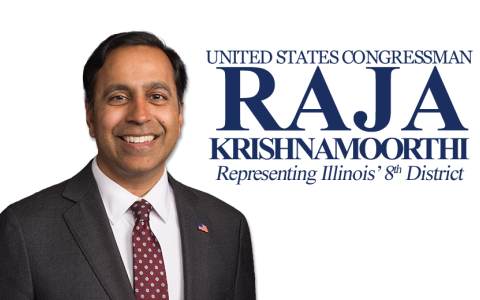
According to an Oct. 6 release from the office of U.S. Rep. Raja Krishnamoorthi, the Illinois Democrat has sent a letter to Acting FDA Commissioner Kyle Diamantas questioning the agency's plan to reassess the regulatory framework governing Premarket Tobacco Product Applications, or PMTAs, and seeking details on potential rule changes, scientific evidentiary standards and communications with tobacco companies and parties challenging the current framework.
Krishnamoorthi is co-chair of the bipartisan Congressional Caucus to End Youth Vaping. He asked the FDA to provide written responses by Oct. 20.
Lawmaker Seeks Details on Rule Changes and Scientific Standards
The inquiry follows the FDA's Sept. 28 announcement that it intends to evaluate changes to the PMTA framework.
FDA said it is reviewing its experience implementing the PMTA rule finalized in 2021 and is considering changes that could include initiating new rulemaking to replace the existing framework.
Krishnamoorthi asked which specific provisions of the 2021 rule the FDA is considering changing or eliminating and what evidence supports each potential change.
He also asked whether any replacement framework would maintain the scientific evidentiary standard manufacturers must meet to demonstrate that marketing a new tobacco product is appropriate for the protection of the public health, or APPH.
FDA said in its Sept. 28 announcement that it will continue processing PMTAs, conducting premarket reviews and issuing regulatory decisions under statutory requirements while the review proceeds. The agency said it will continue applying the APPH standard established under the Tobacco Control Act and that any future changes will be undertaken under applicable law with opportunities for public input.
Letter Seeks Communications With Altria and Reynolds
Krishnamoorthi also asked whether FDA discussed potential changes to the 2021 rule with tobacco manufacturers, industry associations or parties challenging the framework before announcing its review.
His letter requests communications since Jan. 20, 2025, involving those entities and specifically seeks records of communications with Altria, Reynolds American, their subsidiaries or representatives and other parties challenging the rule concerning the PMTA framework or potential changes.
Krishnamoorthi also asked FDA to explain the regulatory connection between the widespread unauthorized market and the scientific evidence required from companies seeking lawful marketing authorization.
He further asked what additional enforcement actions FDA plans to take with the Department of Justice and U.S. Customs and Border Protection against unauthorized e-cigarettes.
Altria and Reynolds Challenge 2021 PMTA Rule
Tobacco companies had begun challenging the 2021 rule in court before the FDA announced its reassessment.
On Sept. 2, Altria subsidiaries Helix Innovations LLC and NJOY LLC filed suit against FDA, the Department of Health and Human Services and Diamantas in the U.S. District Court for the Northern District of Texas alongside the Texas Food & Fuel Association and two retailers.
The case, brought under the Administrative Procedure Act, challenges the current PMTA regulatory framework. Among the issues raised by the plaintiffs is how the statutory 180-day period for PMTA decisions should be calculated and how FDA's Acceptance Review and Filing Review processes fit within that timeline.
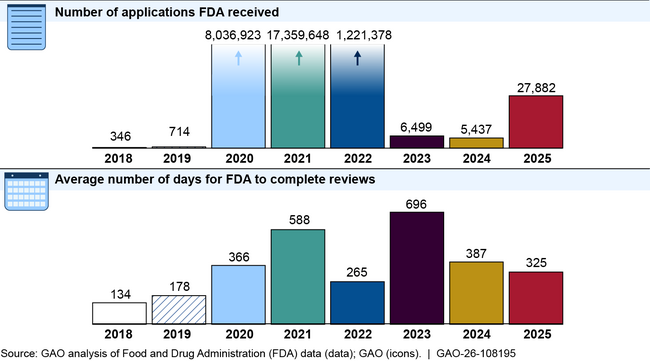
On Sept. 8, Reynolds American companies R.J. Reynolds Vapor Company, Modoral Brands and American Snuff Company separately announced that they had filed a complaint challenging the FDA's PMTA final rule. Reynolds said the framework had contributed to lengthy review delays and regulatory uncertainty.
In announcing its PMTA reassessment on Sept. 28, FDA cited recent judicial developments, including litigation in the Northern District of Texas challenging the current regulatory framework.
The agency also pointed to its experience implementing the 2021 rule, the development of a widespread illicit and unregulated market, and the pace of new product introductions. FDA said a modern framework should reflect current market conditions while providing greater clarity and predictability.
PMTA Review Announced One Month After JUUL2 Authorization
Krishnamoorthi also linked the reassessment to FDA's recent e-cigarette marketing authorizations.
On Aug. 28, FDA issued three marketing authorizations for JUUL Labs' JUUL2 system: the JUUL2 device, an 18 mg/mL Virginia Tobacco pod and a Polar Menthol pod.
FDA's review found that 19.9% to 34.6% of participants using the tobacco-flavored pod completely stopped smoking cigarettes at six weeks, compared with 28.4% to 49.3% among participants using the menthol-flavored pod.
FDA said the added benefit to adults who smoke was sufficient to outweigh the risks of the menthol product, including youth appeal.
Krishnamoorthi criticized the JUUL2 decision on Aug. 31, focusing on FDA's acknowledgment of youth-appeal risks associated with the menthol product.
FDA had previously authorized five JUUL products in July 2025, including the JUUL device and Virginia Tobacco and Menthol JUULpods in 3% and 5% nicotine concentrations.
As of October 2026, FDA's public list contains 48 authorized e-cigarette products. Marketing authorization applies only to the specific products listed and does not constitute FDA “approval.”
Glas Flavored Products Also Cited in Inquiry
Krishnamoorthi's letter also pointed to FDA's May marketing decisions involving Glas e-cigarettes.
On May 5, FDA authorized four Glas ENDS products: Classic Menthol, Fresh Menthol, Gold and Sapphire pods. The action marked FDA's first marketing authorization for e-cigarette products outside tobacco and menthol flavors.
FDA review documents identify Gold and Sapphire as mango- and blueberry-flavored products. The agency concluded that device-access restrictions, including age-verification technology, sufficiently mitigated youth-use risks, allowing the flavored applications to be evaluated without requiring an added adult benefit relative to tobacco-flavored ENDS.
Krishnamoorthi cited the decision in asking whether a replacement PMTA framework would change the scientific evidence required from manufacturers.
Krishnamoorthi Led 2019 Congressional JUUL Investigation
Krishnamoorthi's involvement in e-cigarette policy dates back at least to 2019.
On June 7, 2019, while serving as chairman of the House Oversight and Reform Committee's Subcommittee on Economic and Consumer Policy, he launched an investigation into JUUL Labs and sought documents concerning its marketing practices, youth use and related programs.
The subcommittee held two hearings on July 24 and 25 titled “Examining JUUL's Role in the Youth Nicotine Epidemic.”
JUUL co-founder and Chief Product Officer James Monsees and Chief Administration Officer Ashley Gould testified at the second hearing. A subsequent House committee report described the sessions as the first congressional hearings focused on vaping.
Krishnamoorthi has since continued to press federal agencies on youth vaping, flavored products and unauthorized e-cigarettes, including calls for stronger federal enforcement and efforts to close the synthetic nicotine regulatory loophole.
In 2024, he and Republican Rep. Celeste Maloy wrote to the Department of Justice seeking information on FDA vape-related referrals, federal investigations and prosecutions, and plans for additional civil or criminal enforcement against manufacturers, wholesalers and distributors.
In 2026, Krishnamoorthi also helped introduce the bipartisan PROTECT Act. According to his office, the legislation would authorize $100 million annually for five years for a CDC initiative covering youth e-cigarette prevention, research, state and local grants, evidence-based policies and cessation efforts.
From the 2019 JUUL investigation to enforcement demands involving unauthorized flavored products and the current PMTA inquiry, Krishnamoorthi's congressional activity has consistently focused on youth nicotine use, product marketing, FDA premarket review standards and federal enforcement.
Follow 2Firsts for timely updates on global tobacco and nicotine regulations, market developments and industry trends.
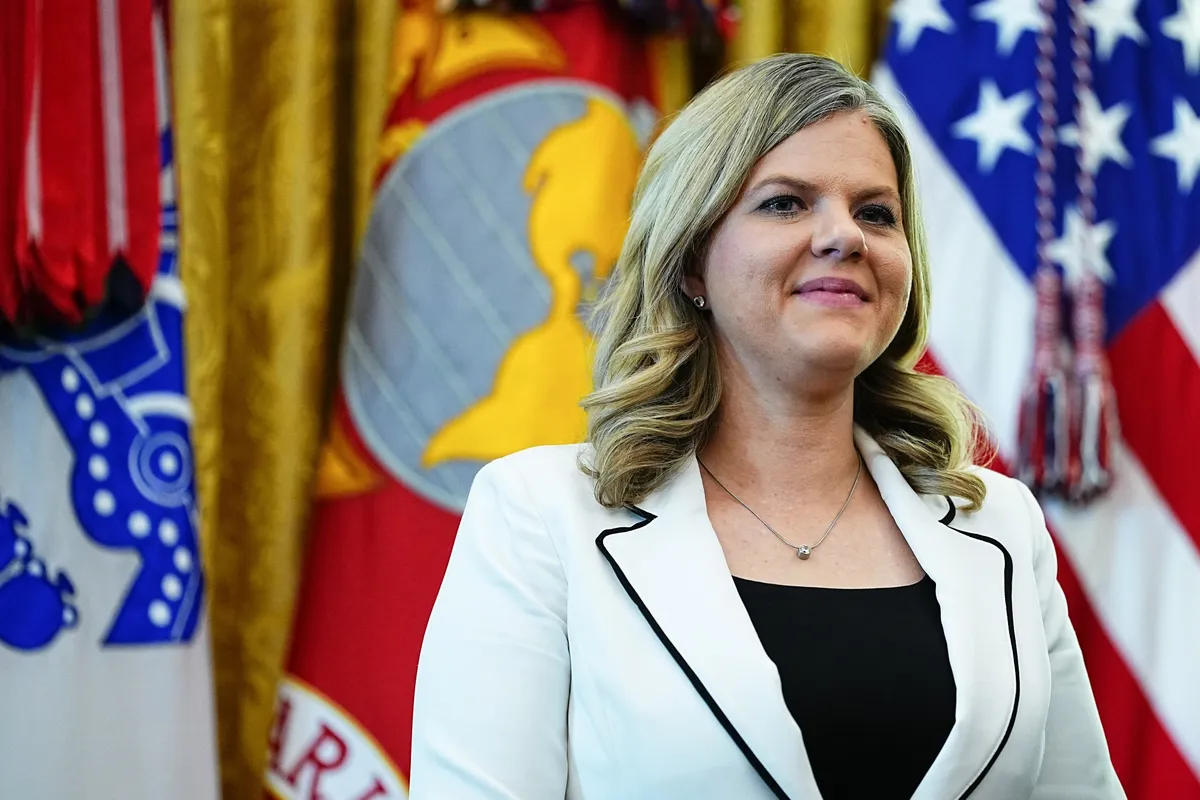
Cover Image: Office of U.S. Rep. Raja Krishnamoorthi
Disclaimer
This article is provided solely for professional research, industry discussion, and informational purposes. Any references to brands, companies, products, technologies, or policies are made for factual reporting and analytical purposes only, and do not constitute endorsement, recommendation, promotion, or advertising by 2Firsts.
Nicotine-containing products, including but not limited to cigarettes, e-cigarettes, heated tobacco products, and nicotine pouches, carry significant health risks. Readers are responsible for complying with all applicable laws and regulations in their respective jurisdictions, including age restrictions and access limitations.
The information contained in this article should not be regarded as investment, legal, medical, regulatory, or commercial advice. While 2Firsts strives to ensure the accuracy and reliability of its content, it does not assume liability for any direct or indirect loss arising from errors, omissions, inaccuracies, or reliance on the information contained herein.
This article is not intended for individuals below the legal age for accessing tobacco or nicotine-related information in their jurisdiction.
Copyright Notice
This article is either original content produced by 2Firsts or content reproduced, translated, summarized, or adapted from third-party sources with attribution where applicable. The intellectual property rights of the original content remain with 2Firsts or the respective original rights holders.
No individual or organization may copy, reproduce, distribute, republish, modify, translate, or otherwise use this content without prior authorization. Any unauthorized use may result in legal action.
For copyright-related inquiries, corrections, or removal requests, please contact: info@2firsts.com.
AI-Assisted Translation and Editing Notice
Portions of this article may have been translated, edited, or reviewed with the assistance of artificial intelligence tools to improve efficiency and readability. Due to the limitations of AI-assisted translation and editing, discrepancies, omissions, or inaccuracies may exist when compared with the original source.
Where applicable, readers are advised to refer to the original source for the most complete and accurate information. If you identify any errors or believe that any content infringes upon your rights, please contact us at info@2firsts.com, and we will review and address the matter promptly.