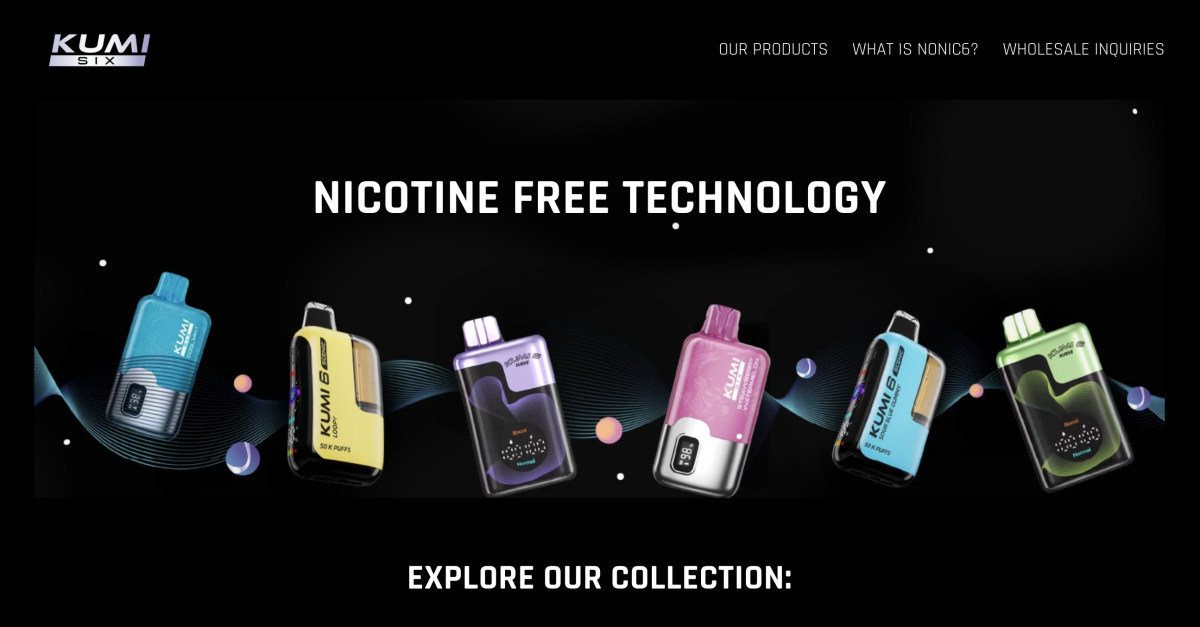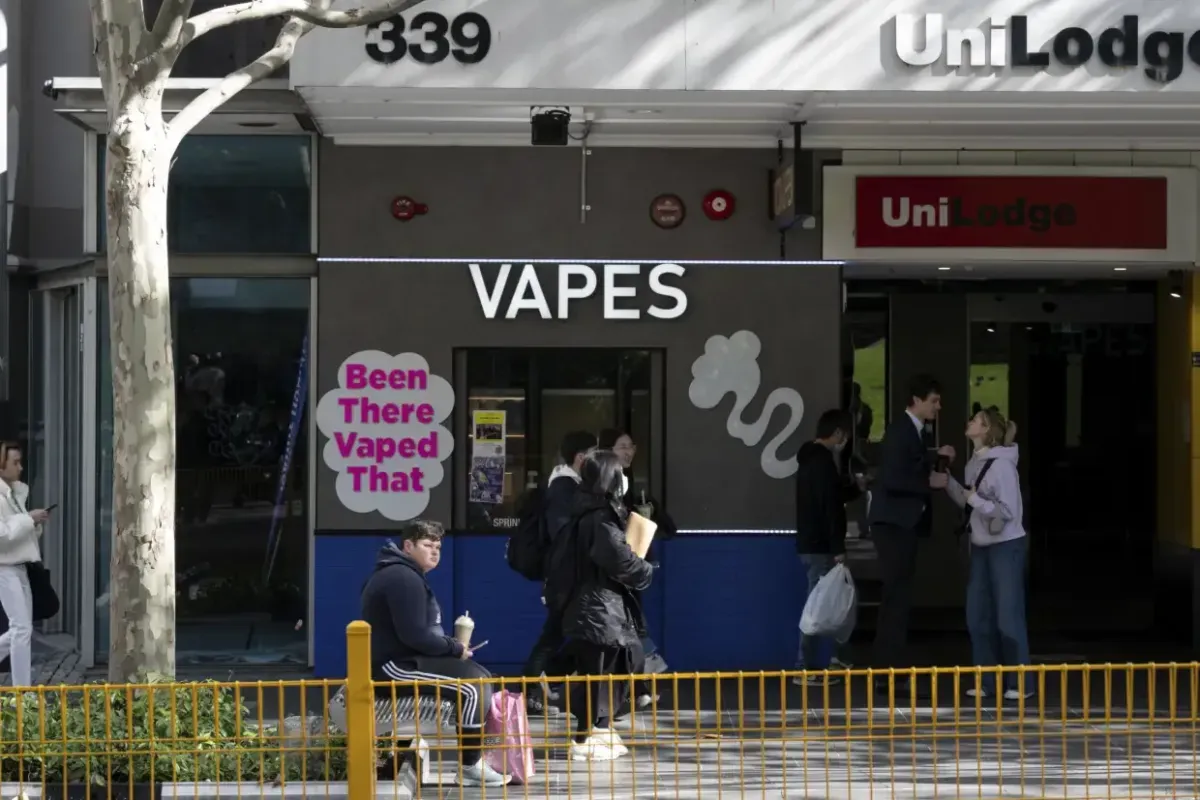
According to a report by Australian media outlet AFR, the Australian federal government will ban the import of disposable e-cigarettes starting from January 1, 2024. This means that although importing disposable e-cigarettes will no longer be permitted to enter Australia, shops can still sell the products on their shelves until their inventory is depleted.
A downtown business in the Melbourne Central Business District has informed the media that their supply of disposable e-cigarettes is expected to last for approximately one more week.
"Our operation is very straightforward. When a product is sold, there will be an empty space on the shelf," said a staff member.
The owner of an e-cigarette store in Melbourne, who refuses to sell disposable e-cigarettes, has described the surge in their sales as a "godsend" for him. However, he has issued a warning about the emergence of a black market, with these products being sold through Facebook and WhatsApp.
This individual highlights that disposable e-cigarettes contain nicotine levels that exceed the set standards and are easily accessible. He states, "The current concern is that children are becoming addicted to disposable e-cigarettes and are seeking them through the black market."
Federal Health Minister Mark Butler said that these changes would protect Australians, particularly young people, from the harm caused by e-cigarettes and nicotine addiction, while also ensuring that people with legitimate needs can still access therapeutic e-cigarettes.
Latest data from an alcohol and drug survey conducted in Australian secondary schools reveals that approximately one-eighth of teenagers aged 12 to 15, and one-fifth of those aged 16 to 17, have used e-cigarettes in the past month. Moreover, it was found that around 80% of these teenagers used disposable e-cigarettes. The survey also uncovered that nearly one-third of students first tried e-cigarettes at the age of 15 or 16, with 23% reporting that they had started experimenting at the age of 12 or even younger.
According to Emily Banks from the National Centre for Epidemiology and Population Health at the Australian National University, the majority of children and adolescents using e-cigarettes have never smoked combustible tobacco before.
Dr. Bex, speaking to Financial Review, stated that "e-cigarettes are not devices meant for children and adolescents to quit smoking."
He explained that e-cigarettes are products marketed vigorously to children, paving the way for long-term addiction. Therefore, the key is to transition from widespread use to more targeted use for those who have tried other methods but failed to quit smoking successfully.
Since the introduction of the new special access program pathway, doctors and nurse practitioners are now able to prescribe therapeutic e-cigarette products in appropriate clinical situations.
Mr. Butler stated that "e-cigarettes are creating a new nicotine-dependent group, particularly among young Australians, within our community."
The Albanian government is taking pioneering global action to eliminate e-cigarettes in order to protect the next generation of children from nicotine temptation. If you are vaping, make quitting your New Year's resolution for the upcoming year. He stressed that healthcare professionals can play a significant role in assisting individuals to quit smoking and overcome e-cigarette addiction.
The government has pledged to allocate $29.5 million over the course of four years for dedicated projects and healthcare service expansion, in order to meet the increased demand for smoking and e-cigarette cessation caused by the new tobacco and e-cigarette reforms.
According to reports, further measures will be implemented, including a ban on personal imports of e-cigarettes starting from March.
We welcome news tips, article submissions, interview requests, or comments on this piece.
Please contact us at info@2firsts.com, or reach out to Alan Zhao, CEO of 2Firsts, on LinkedIn
Notice
1. This article is intended solely for professional research purposes related to industry, technology, and policy. Any references to brands or products are made purely for objective description and do not constitute any form of endorsement, recommendation, or promotion by 2Firsts.
2. The use of nicotine-containing products — including, but not limited to, cigarettes, e-cigarettes, nicotine pouchand heated tobacco products — carries significant health risks. Users are responsible for complying with all applicable laws and regulations in their respective jurisdictions.
3. This article is not intended to serve as the basis for any investment decisions or financial advice. 2Firsts assumes no direct or indirect liability for any inaccuracies or errors in the content.
4. Access to this article is strictly prohibited for individuals below the legal age in their jurisdiction.
Copyright
This article is either an original work created by 2Firsts or a reproduction from third-party sources with proper attribution. All copyrights and usage rights belong to 2Firsts or the original content provider. Unauthorized reproduction, distribution, or any other form of unauthorized use by any individual or organization is strictly prohibited. Violators will be held legally accountable.
For copyright-related inquiries, please contact: info@2firsts.com
AI Assistance Disclaimer
This article may have been enhanced using AI tools to improve translation and editorial efficiency. However, due to technical limitations, inaccuracies may occur. Readers are encouraged to refer to the cited sources for the most accurate information.
We welcome any corrections or feedback. Please contact us at: info@2firsts.com