Baltimore Sues Tobacco Bigheads For Butts Pollution

Market
Nov.24.2022

The city of Baltimore is suing several major tobacco companies for up to $5 million a year to clean up cigarette butt litter.


City officials say more than 12 million cigarette butts have been removed from the waters around Baltimore since 2014.


Baltimore City attorney James Shea said, "There are all kinds of cleanup issues, from cleaning up the butts to removing the chemicals they leave behind."


The lawsuit alleges that tobacco companies refused to place warnings on the boxes about how to properly dispose of the filters and that they chose not to make the filters biodegradable.


"According to the documents we've seen, they didn't change them to biodegradable filters because smokers prefer the vaping device that comes with the filter," Shea said.


Shea said the ultimate goal is for the companies to become more environmentally friendly. "We want to stop the practice, but in the meantime, we want compensation for the nature of the cleanup costs and the fines associated with violating various litter regulations." The companies have 30 days to respond in court.


*The content of this article is written after the extraction, compilation and integration of multiple information for exchange and learning purposes. The copyright of the summary information still belongs to the original article and its author. If any infringement is found, please contact us to delete it. 

Echo Guo: The Accumulating Risks Behind the Surge in Chinese Vape Exports to the U.S.
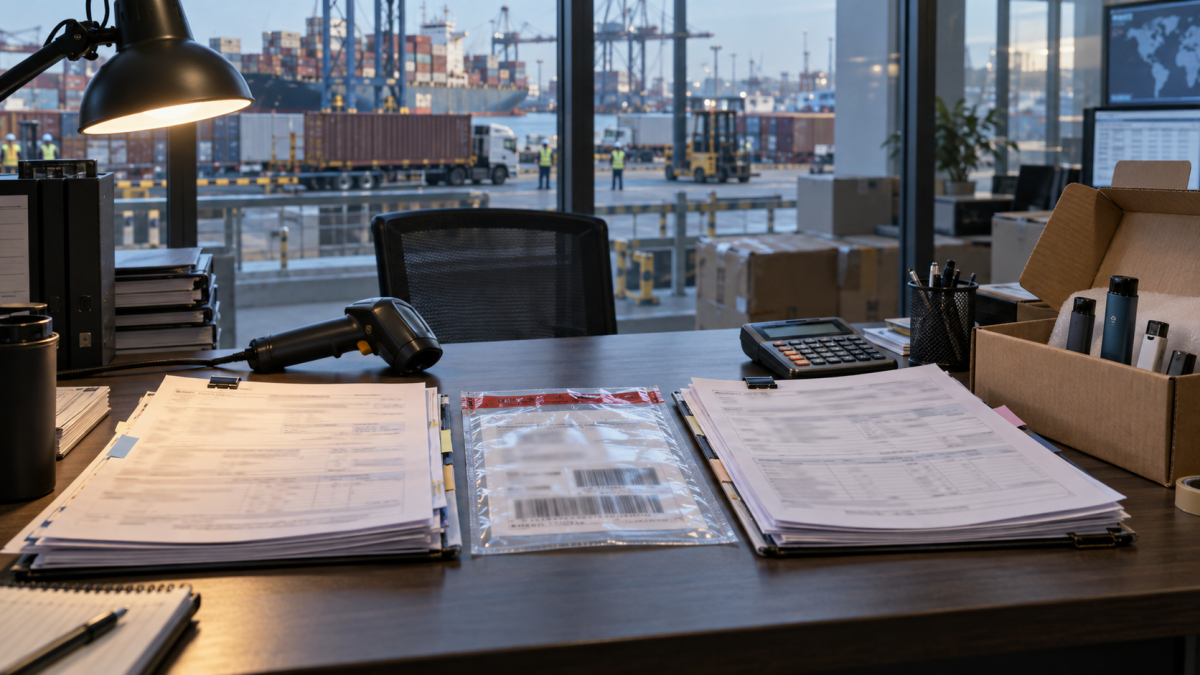
Chinese vape exports to the U.S. jumped from about 2.2 million kg in June to 14.8 million kg in October 2025, despite tougher enforcement, the Washington Examiner reported. 2Firsts finds the surge reflects delayed bulk shipments, not demand recovery. With U.S. inventory exceeding 160 million devices and distributors paying ~10% upfront, cash-flow stress has shifted to Chinese manufacturers, and discounted stock is spilling into other markets.
Dec.14 by Echo Duo
Washington Policy Media Flags Surge: China’s Monthly Vape Exports Jump from 2.2M Kg to 14.8M Kg; Crackdown Effectiveness Questioned
The Washington Examiner on December 9, 2025, reported: China's vape export volume to the U.S. rebounded sharply from 2.2 million kilograms to 14.8 million kilograms despite the crackdown. This volatility, confirming the annual multi-billion dollar trade gap, is the "Bullwhip Effect" in action. It transfers massive inventory to the U.S. market, putting the working capital of Chinese manufacturers and the supply chain at severe risk of lock-up and failure. Regulatory escalation is now imminent.
News
Dec.11
Special Report|With Charlie’s US Line Online, the US-Filled Vape Supply Chain Model Enters a New Phase
Charlie’s Holdings has activated its first US-based manufacturing and filling line, enabling the company’s Pachamama 25K vape series to meet Texas’ new domestic manufacturing requirements. As state-level rules tighten, the move signals a broader industry shift toward US-filled supply chains and marks an inflection point for brands historically reliant on China-based prefilled production.
Industry Insight
Dec.02
VCU Tests Nearly 1,300 School-Confiscated Vapes, Finding Mislabeling, Mixed Cannabinoids and Contamination
New research from Virginia Commonwealth University (VCU) found microbial contamination — including coliform, a bacteria indicating fecal exposure — in some vaping devices confiscated from U.S. schools. However, researchers stressed that newly purchased, unopened vapes showed no such contamination. The findings point to risks linked to unregulated products and improper storage conditions, reinforcing the importance of regulated supply chains and product authentication.
News
Dec.01