Bangladesh's Planning Minister, M.A. Mannan, has suggested that government officials should leave the British American Tobacco Bangladesh Committee in order to prevent interference from the tobacco industry in the country's control policies and government initiatives.
The Bangladeshi government holds a small percentage of shares in British and American tobacco companies. MA Mannan, while organizing a meeting titled "Improving the Bangladesh Labor Welfare Trust Fund and Public Health Research and Communication Initiative" in the Planning Ministry, stated that he will request the Prime Minister to withdraw these shares.
Bangladesh legislator and senior lawyer Shamim Haider Patwari stated that their fight against tobacco is an unequal battle. He demands that the government divest its shares in tobacco companies.
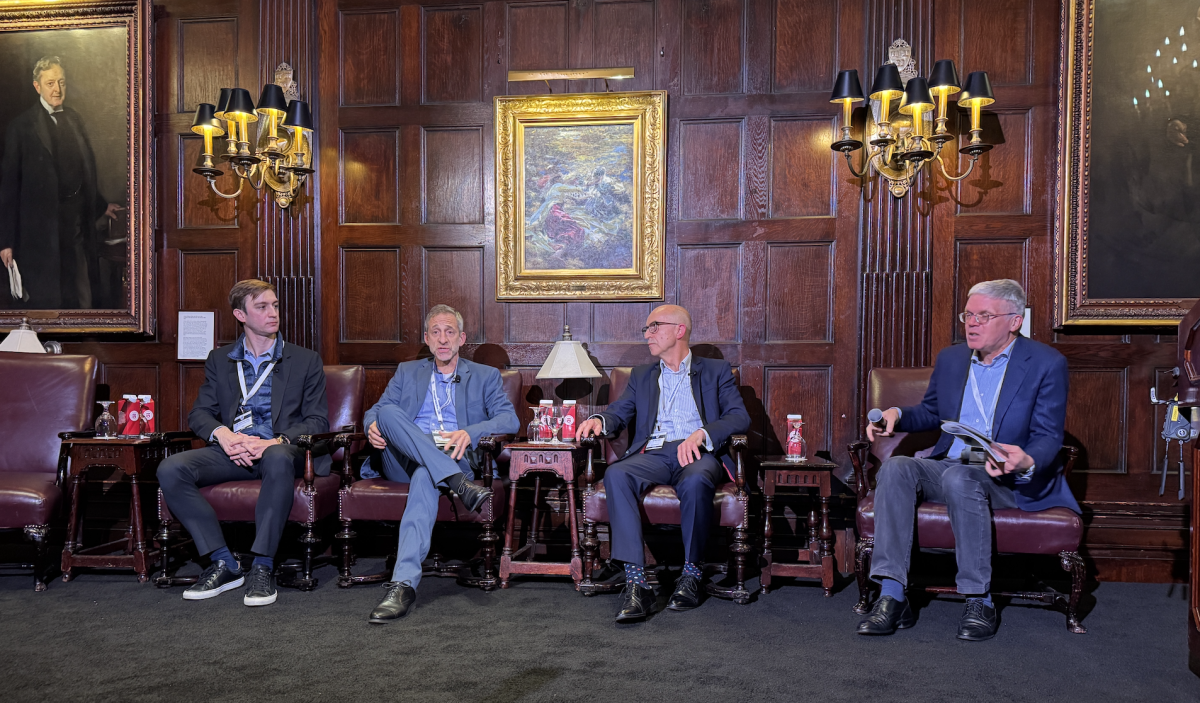
At another event organized by the non-governmental think tank Unayan Shamannay in the capital of Bangladesh, speakers emphasized the need to strengthen tobacco control laws and ban smoking for the general public in order to fulfill the Prime Minister's vision of making Bangladesh a smoke-free country.
Furthermore, designated smoking areas, the depiction of smoking scenes in films subject to certain conditions, and tobacco companies' corporate social responsibility must be prohibited.
Atiur Rahman, former governor of the Central Bank of Bangladesh, has stated that policymakers have played a significant role not only in reducing tobacco consumption in Bangladesh but also in providing substantial support for anti-tobacco movements.
He added that citizens and decision-makers should work together to fulfill the Prime Minister's commitment through stricter tobacco control laws and proper implementation of the law.
According to Member of Parliament Fazle Hossain Badsha, there is a widespread perception that opposing tobacco leaves a negative impression. However, if tobacco control laws were strengthened, the dream of a smoke-free Bangladesh could be realized.
Another legislator, SM Shahzada, has stated that there has been a noticeable increase in tobacco use during the election campaign. He has called for necessary measures to be taken to break the tradition of using cigarettes to lure voters during the election.
Disclaimer
This article is provided solely for professional research, industry discussion, and informational purposes. Any references to brands, companies, products, technologies, or policies are made for factual reporting and analytical purposes only, and do not constitute endorsement, recommendation, promotion, or advertising by 2Firsts.
Nicotine-containing products, including but not limited to cigarettes, e-cigarettes, heated tobacco products, and nicotine pouches, carry significant health risks. Readers are responsible for complying with all applicable laws and regulations in their respective jurisdictions, including age restrictions and access limitations.
The information contained in this article should not be regarded as investment, legal, medical, regulatory, or commercial advice. While 2Firsts strives to ensure the accuracy and reliability of its content, it does not assume liability for any direct or indirect loss arising from errors, omissions, inaccuracies, or reliance on the information contained herein.
This article is not intended for individuals below the legal age for accessing tobacco or nicotine-related information in their jurisdiction.
Copyright Notice
This article is either original content produced by 2Firsts or content reproduced, translated, summarized, or adapted from third-party sources with attribution where applicable. The intellectual property rights of the original content remain with 2Firsts or the respective original rights holders.
No individual or organization may copy, reproduce, distribute, republish, modify, translate, or otherwise use this content without prior authorization. Any unauthorized use may result in legal action.
For copyright-related inquiries, corrections, or removal requests, please contact: info@2firsts.com.
AI-Assisted Translation and Editing Notice
Portions of this article may have been translated, edited, or reviewed with the assistance of artificial intelligence tools to improve efficiency and readability. Due to the limitations of AI-assisted translation and editing, discrepancies, omissions, or inaccuracies may exist when compared with the original source.
Where applicable, readers are advised to refer to the original source for the most complete and accurate information. If you identify any errors or believe that any content infringes upon your rights, please contact us at info@2firsts.com, and we will review and address the matter promptly.