BAT Malaysia Reports Q3 Results: Net Profit Plummets 89.5%, Stock Price Drops 15%

Oct.31.2025
BAT Malaysia Reports Q3 Results: Net Profit Plummets 89.5%, Stock Price Drops 15%
BAT Malaysia's Q3 results show a sharp 89.5% drop in net profit to RM7 million (approximately $150,000 USD), with revenue also falling to RM300 million (approximately $6.4 million USD). The company attributed the decline to new regulatory requirements, including pictorial health warnings and the retail display ban. Its stock dropped 15.25% to RM4.78 (approximately $1.02 USD).

Key Points


  • Stock Price Drop: BAT Malaysia's stock dropped 15.25% following the third-quarter report, falling to RM4.78 (approximately $1.02 USD).


  • Sharp Profit Decline: Net profit for Q3 dropped to RM7 million (approximately $150,000 USD), a 89.5% decrease year-on-year.


  • Revenue Halved: Revenue fell to RM300 million (approximately $6.4 million USD), half of last year's figure.


  • Regulatory Pressures: New regulations, including pictorial health warnings and retail display bans, led to significant operational adjustments and investments.


2Firsts, October 31, 2025 — British American Tobacco Malaysia (BAT Malaysia) reported a sharp drop in its third-quarter results, with net profit plunging to RM7 million (approximately $150,000 USD), down 89.5% from RM67 million (approximately $1.42 million USD) in the same period last year. Revenue also dropped significantly to RM300 million (approximately $6.4 million USD), compared to RM609 million (approximately $1.3 million USD) in 2024.


The company attributed the poor performance to new regulatory requirements, including the implementation of pictorial health warnings and the retail display ban, which led to significant operational adjustments and heavy investments.


After the third-quarter report was released, BAT Malaysia's stock price plummeted by 15.25%, reaching RM4.78 (approximately $1.02 USD) as of 11:47 AM on October 31.


Despite these challenges, BAT Malaysia's year-to-date cumulative revenue reached RM1.25 billion (approximately $268 million USD), thanks to ongoing cost optimization efforts. Its premium brand Dunhill continued to strengthen its market share, maintaining its leadership in the legal tobacco segment.


The company also announced that the board would pay a third interim dividend of 5 sen per share (approximately 1.1 cents), totaling RM14.3 million (approximately $3 million USD), payable on December 5, 2025.


BAT Malaysia's Managing Director, Nedal Salem, stated that despite regulatory pressures and declining market volumes, the company remained resilient due to its core combustibles portfolio. He also expressed optimism about the fiscal initiatives announced under Budget 2026, which are expected to increase disposable income and support household consumption. BAT Malaysia will continue to focus on optimizing its portfolio and ensuring long-term sustainability.


On April 28, BAT Malaysia announced that it would phase out its existing VUSE e-cigarette products from the Malaysian market, in accordance with the Public Health Control of Smoking Products Act 852, which will come into effect on October 1, 2025. As part of this transition, BAT plans to phase out the VUSE product line by the third quarter of 2025 to comply with the new regulatory requirements.


We welcome news tips, article submissions, interview requests, or comments on this piece.

Please contact us at info@2firsts.com, or reach out to Alan Zhao, CEO of 2Firsts, on LinkedIn


Notice

1.  This article is intended solely for professional research purposes related to industry, technology, and policy. Any references to brands or products are made purely for objective description and do not constitute any form of endorsement, recommendation, or promotion by 2Firsts.

2.  The use of nicotine-containing products — including, but not limited to, cigarettes, e-cigarettes, nicotine pouchand heated tobacco products — carries significant health risks. Users are responsible for complying with all applicable laws and regulations in their respective jurisdictions.

3.  This article is not intended to serve as the basis for any investment decisions or financial advice. 2Firsts assumes no direct or indirect liability for any inaccuracies or errors in the content.

4.  Access to this article is strictly prohibited for individuals below the legal age in their jurisdiction.


Copyright


This article is either an original work created by 2Firsts or a reproduction from third-party sources with proper attribution. All copyrights and usage rights belong to 2Firsts or the original content provider. Unauthorized reproduction, distribution, or any other form of unauthorized use by any individual or organization is strictly prohibited. Violators will be held legally accountable.

For copyright-related inquiries, please contact: info@2firsts.com


AI Assistance Disclaimer


This article may have been enhanced using AI tools to improve translation and editorial efficiency. However, due to technical limitations, inaccuracies may occur. Readers are encouraged to refer to the cited sources for the most accurate information.

We welcome any corrections or feedback. Please contact us at: info@2firsts.com

India Steps Up Nicotine Pouch Enforcement as ZYN, White Fox Circulate and Drug Panel Urges Halt to New Nicotine Formulations
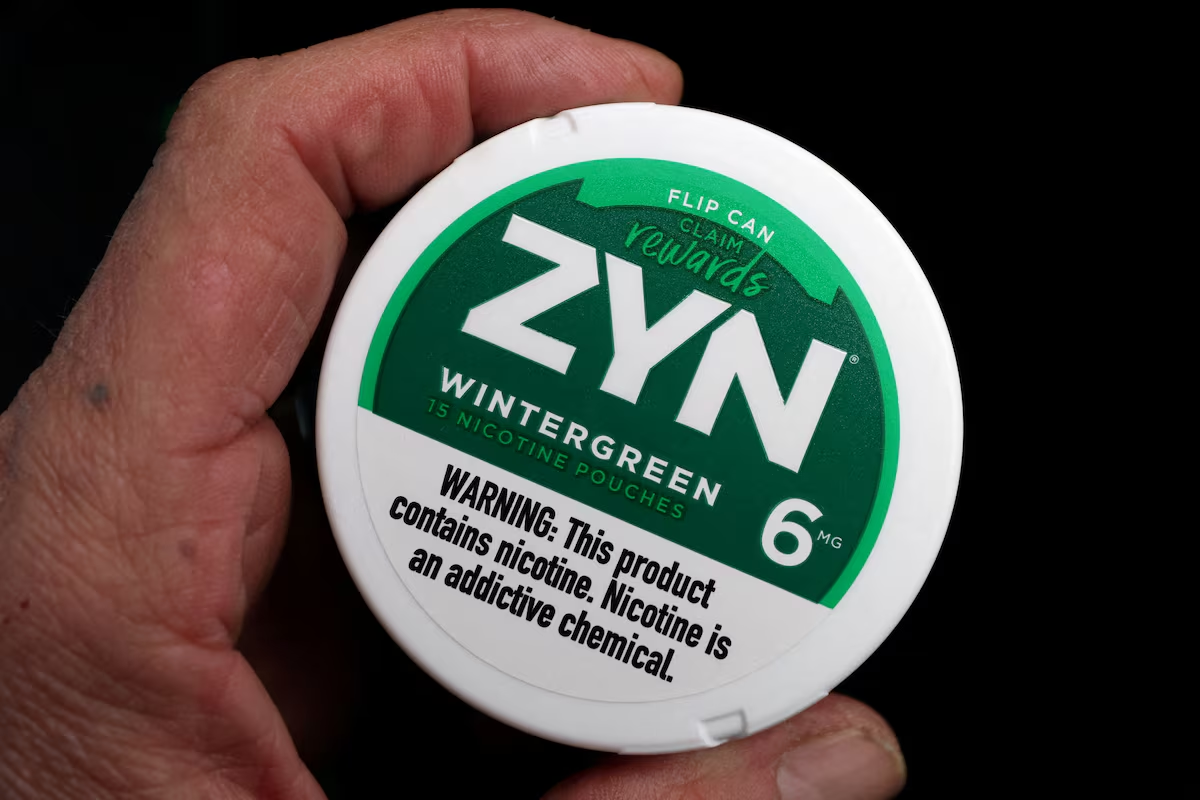
India's Ministry of Health and Family Welfare has directed states to step up enforcement against nicotine pouch sales, citing increased availability through online and offline channels and concern about nicotine exposure among children. Reuters reported that international brands including ZYN and White Fox are being sold in India. A study led by ICMR-NICPR found pouches in seven of 10 surveyed locations and identified 68 brands and 445 flavors online. Separately, India's Drugs Technical Advisory Board recommended in August that no new nicotine formulation be approved.
Regulations
Sep.28 by 2Firsts Perspectives
UK Vape Tax Countdown: Retailer Vape HQ Estimates 100ml E-liquid Prices Could Rise From £12.99 to £39.39, While Pod Kits Increase Less Than 10%
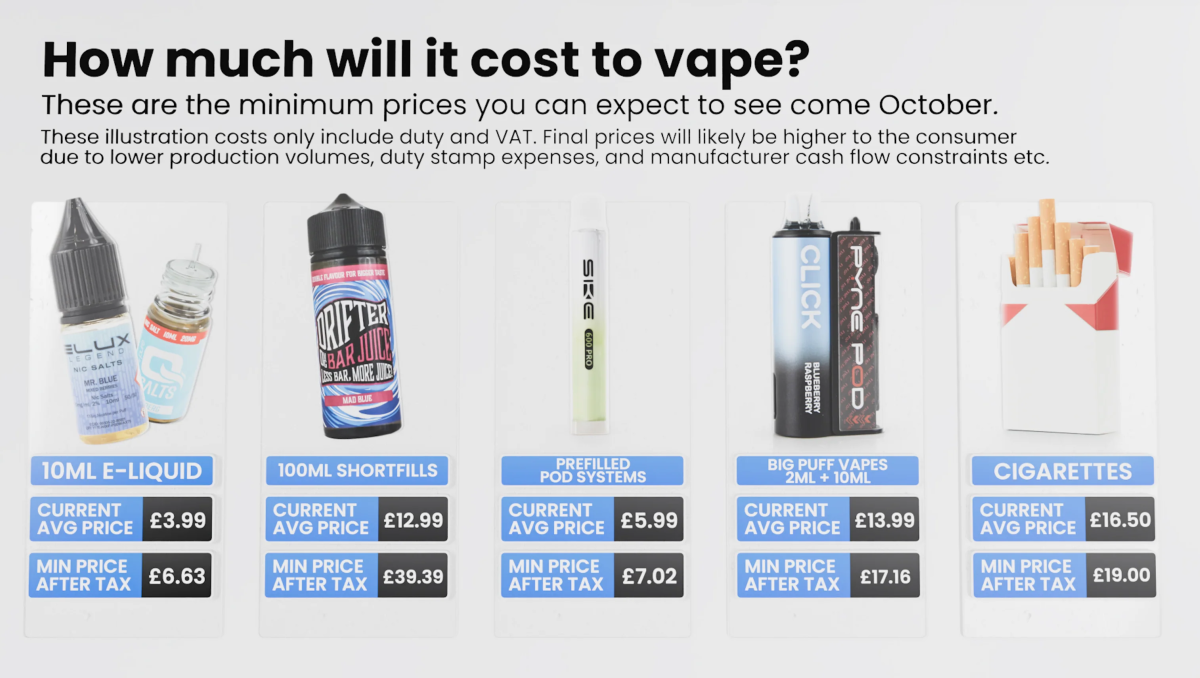
The UK’s Vaping Products Duty (VPD), scheduled to take effect in October 2026, is prompting retailers to assess how different vape categories may be affected. UK retailer Vape HQ has estimated potential price changes under the new volume-based tax system, showing that 100ml shortfill e-liquids could see prices rise from around £12.99 to £39.39, a 203% increase, while 2ml prefilled pod vape kits could rise from £5.99 to £6.52, an increase of about 9%. The estimates highlight how a volume-based tax structure creates uneven cost impacts across product categories.
Aug.19
Special Report | How Capital Is Reassessing the Global Tobacco and Modern Nicotine Industry: Lessons from a New York Forum
Capital is reassessing the global tobacco and modern nicotine industry as heated tobacco, vaping and nicotine pouches reshape demand, profitability and regulation. At the 2026 New Approaches Summit in New York, investors and analysts examined whether smoke-free growth can sustain earnings, how regulation shapes startup value, and whether shareholder engagement can be more effective than divestment. The debate points to a broader shift: tobacco transition is increasingly becoming a capital-allocation, governance and valuation question.
Capital Markets
Oct.05
Product | FOGER Introduces Switch Pro 30K Nixodine Pod in U.S. Retail, Bringing 6-MN Related Formulation to High-Capacity Pod Platform
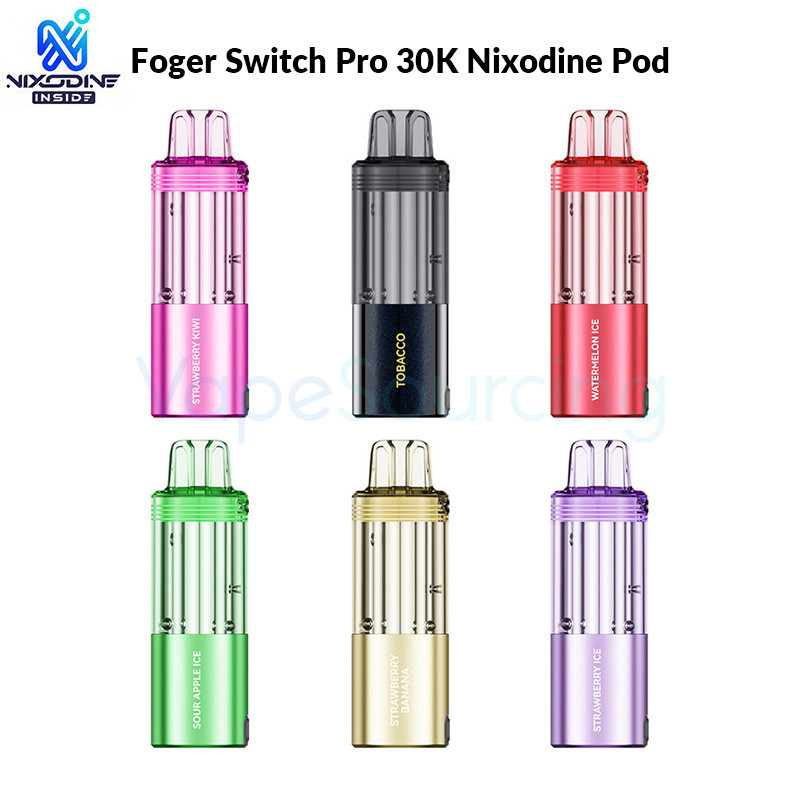
FOGER has introduced the Switch Pro 30K Nixodine Pod in U.S. retail channels, bringing a 6-methylnicotine (6-MN)-related formulation into its reusable Switch Pro 30K pod ecosystem. The product retains the existing reusable dock and magnetic replacement pod architecture, featuring a 19ml prefilled pod, dual-mesh heating and Normal/Boost modes. The Nixodine version is labeled nicotine-free in terms of conventional nicotine but uses a 5% Nixodine-related formulation. The product has appeared in U.S. retail and wholesale channels, with some listings indicating Kentucky-only availability.
Aug.28
FDA Revises Import Alert 98-07 Rules, Bringing May Enforcement Priorities Into Unauthorized ENDS Detentions
The U.S. Food and Drug Administration has revised the rules under Import Alert 98-07 to incorporate its May 2026 enforcement-priority policy for certain electronic nicotine delivery systems marketed without premarket authorization. The alert continues to allow detention without physical examination, or DWPE, for ENDS lacking required marketing authorization, while directing field divisions to apply the May risk-based framework. When necessary, detention or refusal decisions must also undergo review by the FDA's Center for Tobacco Products. Products including PACHA and Vuse Pro have already emerged as industry examples of the May policy, although enforcement discretion does not constitute FDA marketing authorization.
News
Sep.28 by 2Firsts Perspectives
NAS 2026 | Former FDA Tobacco Chief Mitch Zeller Calls for Shift From “End Game” to “End State”
At the 2026 New Approaches Summit in New York, former FDA Center for Tobacco Products Director Mitch Zeller called for the tobacco harm reduction debate to shift from the traditional “end game” toward defining a desired “end state.” He also highlighted unresolved concerns around dual use, argued that biomarkers of exposure may be more meaningful than cigarettes-per-day in assessing risk reduction, and said nicotine misperceptions remain a major barrier to public health progress.
Sep.25