Key Points
- R.J. Reynolds seeks to dismiss a class-action lawsuit over alleged false “carbon neutral” claims for its Vuse e-cigarettes.
- The company says the claims were verified by third-party certifiers Verra and Vertis.
- BAT, R.J. Reynolds’ parent company, faces $5 million in damages over disputed carbon credits.
2Firsts, October 23, 2025 — R.J. Reynolds Vapor Co. has filed a motion with the U.S. District Court for the Northern District of California seeking to dismiss a class-action lawsuit accusing the company of making false “carbon neutral” advertising claims. The company argues that its description of Vuse as “the world’s first global carbon neutral vape brand” is based on independent third-party certifications and is not misleading.
R.J. Reynolds stated in its motion that the carbon credits were certified by the nonprofit organization Verra, while Vuse’s carbon-neutral status was verified by Vertis Environmental Finance Ltd. The company emphasized that it did not calculate its own emissions or exaggerate environmental impacts, asserting that its statements were accurate at the time and aligned with recognized standards.
The company also rejected the plaintiffs’ “price premium” argument, saying the complaint failed to demonstrate how the product’s retail price would differ without the “carbon neutral” claim and thus lacked any factual basis for alleged economic loss.
Alleged Misrepresentation: Vuse’s Carbon Neutrality Questioned
The class-action lawsuit was initially filed on May 28, 2025, in the Northern District of California, seeking $5 million in damages. Plaintiffs allege that British American Tobacco (BAT) and its subsidiary R.J. Reynolds misled consumers by promoting Vuse as “the world’s first global carbon neutral vape brand” using carbon credits that did not result in genuine emission reductions.
According to the complaint, more than one-third of the offsets came from Uruguay’s Guanaré Forest Plantations Project, which was rated as having zero climate impact by an independent assessment in 2022. The filing further claims that BAT continued to market Vuse under its “carbon neutral” label even after learning of the questionable credits, viewing environmental credentials as a marketing tool to boost consumer loyalty.
BAT’s Response: Campaign Has Ended
A BAT spokesperson stated in November 2024 that Vuse’s “carbon neutral” claims were independently verified in 2021, and all related marketing communications were discontinued in December 2023. A 2021 press release—still available on BAT’s website—describes Vuse as “the world’s first carbon neutral vape brand.”
Case Information
The case is Bell et al. v. R.J. Reynolds Vapor Co. et al. (No. 4:25-cv-04521), filed in the U.S. District Court for the Northern District of California.
Plaintiffs’ attorneys: Amber L. Schubert, Fletch Trammell, Don Bivens, and Teresita T. Mercado.
Defendants’ attorneys: Darren K. Cottriel, Tyler Fields, and Patrick Haney of Jones Day.
As of publication, neither party’s counsel has issued a public comment.
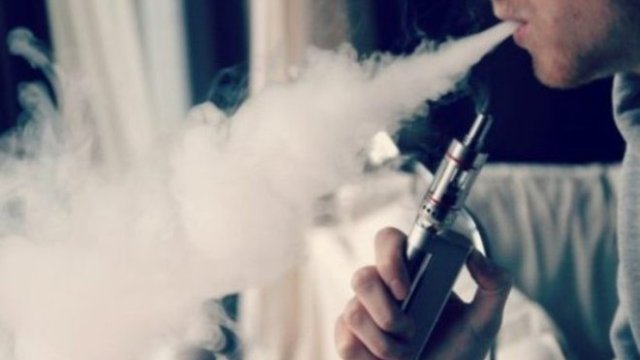
Cover image source: VUSE
We welcome news tips, article submissions, interview requests, or comments on this piece.
Please contact us at info@2firsts.com, or reach out to Alan Zhao, CEO of 2Firsts, on LinkedIn
Notice
1. This article is intended solely for professional research purposes related to industry, technology, and policy. Any references to brands or products are made purely for objective description and do not constitute any form of endorsement, recommendation, or promotion by 2Firsts.
2. The use of nicotine-containing products — including, but not limited to, cigarettes, e-cigarettes, nicotine pouchand heated tobacco products — carries significant health risks. Users are responsible for complying with all applicable laws and regulations in their respective jurisdictions.
3. This article is not intended to serve as the basis for any investment decisions or financial advice. 2Firsts assumes no direct or indirect liability for any inaccuracies or errors in the content.
4. Access to this article is strictly prohibited for individuals below the legal age in their jurisdiction.
Copyright
This article is either an original work created by 2Firsts or a reproduction from third-party sources with proper attribution. All copyrights and usage rights belong to 2Firsts or the original content provider. Unauthorized reproduction, distribution, or any other form of unauthorized use by any individual or organization is strictly prohibited. Violators will be held legally accountable.
For copyright-related inquiries, please contact: info@2firsts.com
AI Assistance Disclaimer
This article may have been enhanced using AI tools to improve translation and editorial efficiency. However, due to technical limitations, inaccuracies may occur. Readers are encouraged to refer to the cited sources for the most accurate information.
We welcome any corrections or feedback. Please contact us at: info@2firsts.com