During the third quarter of 2022, the world's four largest tobacco companies - Philip Morris International (PMI), British American Tobacco (BAT), Japan Tobacco Group (JTG), and Imperial Brands - are attempting to take a series of actions to make their group's development more sustainable.
BAT has announced a transformation plan that details actions it will take to achieve its climate goals, including reducing absolute emissions in its value chain by half from 2020 baseline levels by 2030 and achieving net zero emissions in its value chain by 2050 at the latest. Additionally, BAT is actively expanding its product portfolio. On November 16th, BAT invested £48.2 million ($57.4 million) in Charlotte’s Web Holdings, a CBD health product manufacturer. Kingsley Wheaton, BAT's Chief Growth Officer, stated in a press release that "our investment in Charlotte's Web represents another step forward in BAT's exploration beyond tobacco and nicotine.
PMI, or Philip Morris International, has announced several initiatives towards achieving its vision of carbon neutrality by 2025. The company has added eight new carbon-neutral production centers this year and has established a green energy base in Indonesia to achieve carbon neutrality in the production process through sustainable energy supply. PMI is also focused on expanding its heated tobacco products globally. Its subsidiary, HM Sampoerna, has announced plans to invest $166 million in a new high-tech HEETS production facility in Karawang City, West Java, for IQOS, which will begin operations in Q4 2022. In November, PMI launched a new product called Bonds and its accompanying tobacco sticks, Blends, which utilize the latest non-burning patented design under the IQOS system. Additionally, after a six-month process, PMI has successfully acquired Swedish Match, the world's largest non-cigarette tobacco company, which specializes in products such as nasal snuff and nicotine pouches, thus bolstering PMI's smoke-free and harm reduction strategies.
JTG and Imperial Brands are both actively seeking to shift away from their reliance on traditional tobacco by diversifying their business portfolios.
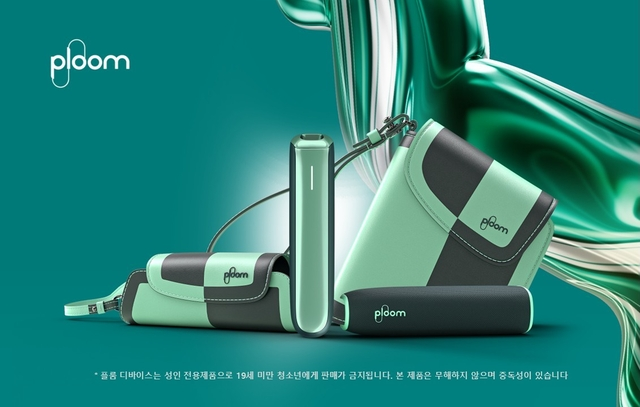
JTG, in its third quarter financial report released on October 31st, expressed encouragement in the sales of its non-combustible heating product PloomX and its performance in the Japanese market. On November 3rd, JTG launched PloomX in the UK. JTG plans to accelerate its international sales of PloomX by 2023. JTG also formed a joint venture with Altria Group (a subsidiary of PMI) through its subsidiary JTI to market its heated tobacco stick (HTS) products in the US using the Ploom brand device and Marlboro tobacco consumables under PM USA.
Imperial Brands' current growth strategy involves maintaining a dual focus on two markets. On one hand, the company is concentrating on the combustible tobacco product market, aiming to increase the market value of its product portfolio. On the other hand, Imperial Brands is continuously exploring the market for new tobacco products, which the company refers to as Next Generation Products (NGP), with a focus on placing its Pulze brand of heated tobacco in the European market and its Blu brand of e-cigarettes in the US market. Additionally, the company's nicotine pouch business will continue to concentrate on the European market.
In terms of data, BAT announced in their first half-year report of 2022 that their investment in new category products had exceeded 1 billion pounds as of June 2022, with the global user base for their heated tobacco products surpassing 20 million. Heated tobacco products account for 14.6% of BAT's total revenue, marking a 2% increase from the previous half-year. It is projected that new category products will bring BAT 5 billion pounds in profit by 2025.
Philip Morris International (PMI) announced its Q3 financial report on October 20, revealing that the net revenue from smoke-free products accounted for 30.1% of total net revenue during this period. The market share of its heated tobacco unit (HTU) in the IQOS market increased by 1.3%, reaching 7.7%, and the global user base of IQOS products reached 16.4 million in Q3.
JTG has announced in its Q3 financial report that its revenue for the first nine months of 2022 increased by 13.7% compared to the same period in 2021, with an adjusted operating profit growth of 17.5% reaching 637.8 billion yen. Its net profit also rose significantly by 19.2% to 403.8 billion yen.
Imperial Brands' 2022 financial report released on November 15th showed that the group's market share in the US cigarette market increased by 90 basis points to 10.1%, marking four consecutive years of growth. The company also revitalized the five largest heated tobacco markets, with a total market share growth of 35 basis points, and saw strong growth in oral nicotine in Sweden, Norway, and Austria. In Europe, their next-generation product investment portfolio performed well, with a net income growth of 34.2% based on unchanged exchange rates. The African market also continued to show strong performance, with a 3% growth in market share and revenue.
Due to the impact of the war, the four major groups have been hit in the Russian market. JTG stated in their Q3 financial report that the market environment in Russia is "extremely challenging".
According to a report from BAT, the estimated loss from leaving the Russian market is £957 million (approximately $1.2 billion). PMI plans to establish a self-sufficient independent organization in Russia and will temporarily suspend the withdrawal from the Russian market. The financial report from Imperial Brands showed that the group lost nearly £400 million in revenue by leaving the Russian market as of September, which led to an 8.4% decrease in total tobacco sales in the second half of the year compared to the same period in 2021, and a 4.7% decrease for the entire year. The impact of withdrawing from the Russian market on the total company of Japan Tobacco, which has a different business structure in the Russian market, is relatively small.
2FIRSTS will continue to monitor the movements of the four major tobacco companies and will immediately publish the latest information.
Author/Zhu Hongxu
Related Reading: Stocks of Three Major Tobacco Giants Continue to Soar in December.
2FIRSTS is releasing a special report on the latest developments in the four major tobacco companies on December 6th. Subsequent updates will be available on the "2FIRSTS APP". Scan the QR code below to download the app.
Disclaimer
This article is provided solely for professional research, industry discussion, and informational purposes. Any references to brands, companies, products, technologies, or policies are made for factual reporting and analytical purposes only, and do not constitute endorsement, recommendation, promotion, or advertising by 2Firsts.
Nicotine-containing products, including but not limited to cigarettes, e-cigarettes, heated tobacco products, and nicotine pouches, carry significant health risks. Readers are responsible for complying with all applicable laws and regulations in their respective jurisdictions, including age restrictions and access limitations.
The information contained in this article should not be regarded as investment, legal, medical, regulatory, or commercial advice. While 2Firsts strives to ensure the accuracy and reliability of its content, it does not assume liability for any direct or indirect loss arising from errors, omissions, inaccuracies, or reliance on the information contained herein.
This article is not intended for individuals below the legal age for accessing tobacco or nicotine-related information in their jurisdiction.
Copyright Notice
This article is either original content produced by 2Firsts or content reproduced, translated, summarized, or adapted from third-party sources with attribution where applicable. The intellectual property rights of the original content remain with 2Firsts or the respective original rights holders.
No individual or organization may copy, reproduce, distribute, republish, modify, translate, or otherwise use this content without prior authorization. Any unauthorized use may result in legal action.
For copyright-related inquiries, corrections, or removal requests, please contact: info@2firsts.com.
AI-Assisted Translation and Editing Notice
Portions of this article may have been translated, edited, or reviewed with the assistance of artificial intelligence tools to improve efficiency and readability. Due to the limitations of AI-assisted translation and editing, discrepancies, omissions, or inaccuracies may exist when compared with the original source.
Where applicable, readers are advised to refer to the original source for the most complete and accurate information. If you identify any errors or believe that any content infringes upon your rights, please contact us at info@2firsts.com, and we will review and address the matter promptly.