Recently, The Washington Post published a lengthy article titled "Why Big Tobacco is betting on Trump." The article discusses how RAI Services Company, a subsidiary of the second largest tobacco company in the United States, Reynolds American Inc., has become the largest corporate donor to a Super PAC supporting President Trump, having donated $8.5 million to the committee "Make America Great Again (MAGA)," according to federal records. The company does not appear to have made donations to groups supporting Democratic presidential candidate Vice President Kamala Harris.
The article further points out that former U.S. officials and industry lobbyists have stated that the support of tobacco giants for Trump reflects corporate interest groups believing that they can influence Trump through political donations, even on issues where he has diverged from mainstream Republican views. These donations signify a strong intervention by the company in presidential politics. The Reynolds company's Political Action Committee (PAC), funded by employees, only donated $25,000 to Trump's campaign committee in 2016, and the company also donated $1 million to Trump's inauguration ceremony in 2017. Reynolds has not provided a detailed response to its political donations or interactions with Trump.
The article mentions that over the past 30 years, political donations from the tobacco industry have gradually decreased, especially at the federal level, with companies focusing more on state and local issues related to cigarette taxes and smoking prevention. However, Renault Corporation has made major donations counter to this trend.
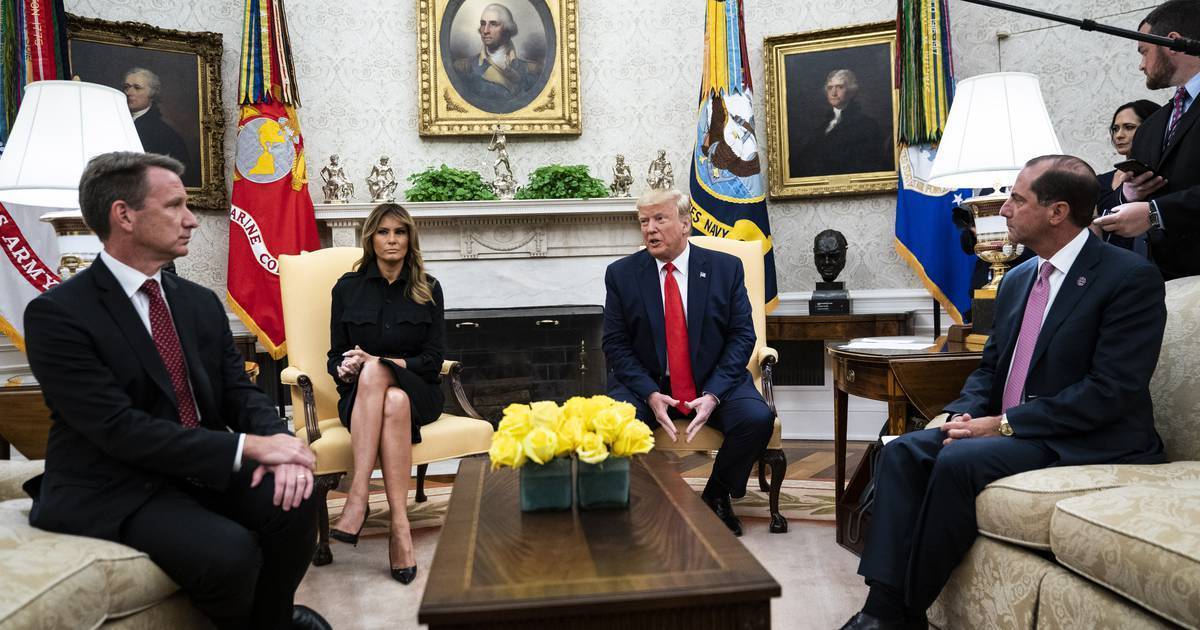
The article also mentioned that, according to sources familiar with the matter, Brian Ballard, a close lobbyist for Trump, advised the company to make these donations. Since 2017, Ballard's company has been providing lobbying services for Renault. In 2023 and 2024, executives from Renault met with Trump multiple times, including a lengthy meeting earlier this year in New York, during which they specifically expressed concerns about the mint vape ban. The executives also discussed other issues, particularly the influx of counterfeit e-cigarettes from China through the port of Los Angeles, which have been impacting their profits.
The article states that former company employees, lobbyists, and former Trump aides have argued that Renault Corporation sees Trump as its best hope to achieve multiple objectives, including preventing the implementation of the mint cigarette ban, which is currently in limbo. The Biden administration has delayed a final decision on the ban because political advisors warned the president that this move could cost him votes among Black smokers, who research shows have a preference for mint cigarettes. If Trump returns to the White House, he may ultimately determine the fate of this policy.
We welcome news tips, article submissions, interview requests, or comments on this piece.
Please contact us at info@2firsts.com, or reach out to Alan Zhao, CEO of 2Firsts, on LinkedIn
Notice
1. This article is intended solely for professional research purposes related to industry, technology, and policy. Any references to brands or products are made purely for objective description and do not constitute any form of endorsement, recommendation, or promotion by 2Firsts.
2. The use of nicotine-containing products — including, but not limited to, cigarettes, e-cigarettes, nicotine pouchand heated tobacco products — carries significant health risks. Users are responsible for complying with all applicable laws and regulations in their respective jurisdictions.
3. This article is not intended to serve as the basis for any investment decisions or financial advice. 2Firsts assumes no direct or indirect liability for any inaccuracies or errors in the content.
4. Access to this article is strictly prohibited for individuals below the legal age in their jurisdiction.
Copyright
This article is either an original work created by 2Firsts or a reproduction from third-party sources with proper attribution. All copyrights and usage rights belong to 2Firsts or the original content provider. Unauthorized reproduction, distribution, or any other form of unauthorized use by any individual or organization is strictly prohibited. Violators will be held legally accountable.
For copyright-related inquiries, please contact: info@2firsts.com
AI Assistance Disclaimer
This article may have been enhanced using AI tools to improve translation and editorial efficiency. However, due to technical limitations, inaccuracies may occur. Readers are encouraged to refer to the cited sources for the most accurate information.
We welcome any corrections or feedback. Please contact us at: info@2firsts.com