Brazilian Federal Police Launch Operation "Vapor d'água" to Combat Smuggling

Regulations by 2FIRSTS.ai
Mar.15.2024
Brazilian Federal Police Launch Operation "Vapor d'água" to Combat Smuggling
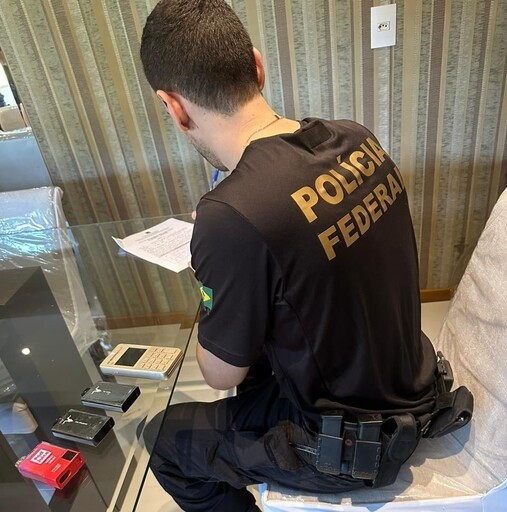
Brazilian federal police launched "Vapor d'água" operation to combat smuggling, seizing e-cigarettes in Santa Maria sold to teenagers on social media.

According to a report from the Brazilian media diariosm on March 14, the Brazilian Federal Police launched an operation called "Vapor d'água" to combat smuggling crimes. The police carried out two e-cigarette seizures and search warrants in Santa Maria, with the sale of these e-cigarettes primarily taking place through personal profiles on social media, targeting the city's youth.


The National Health Surveillance Agency of Brazil (Anvisa) announced a ban on the sale, import, and advertising of all types of electronic smoking devices (DEFs) on August 28, 2009, through Joint Board Resolution No. 46. Therefore, engaging in these activities theoretically constitutes a criminal offense under Article 334-A, item IV of the Penal Code (smuggling), which carries a penalty of up to 5 years in prison.


We welcome news tips, article submissions, interview requests, or comments on this piece.

Please contact us at info@2firsts.com, or reach out to Alan Zhao, CEO of 2Firsts, on LinkedIn


Notice

1.  This article is intended solely for professional research purposes related to industry, technology, and policy. Any references to brands or products are made purely for objective description and do not constitute any form of endorsement, recommendation, or promotion by 2Firsts.

2.  The use of nicotine-containing products — including, but not limited to, cigarettes, e-cigarettes, nicotine pouchand heated tobacco products — carries significant health risks. Users are responsible for complying with all applicable laws and regulations in their respective jurisdictions.

3.  This article is not intended to serve as the basis for any investment decisions or financial advice. 2Firsts assumes no direct or indirect liability for any inaccuracies or errors in the content.

4.  Access to this article is strictly prohibited for individuals below the legal age in their jurisdiction.


Copyright


This article is either an original work created by 2Firsts or a reproduction from third-party sources with proper attribution. All copyrights and usage rights belong to 2Firsts or the original content provider. Unauthorized reproduction, distribution, or any other form of unauthorized use by any individual or organization is strictly prohibited. Violators will be held legally accountable.

For copyright-related inquiries, please contact: info@2firsts.com


AI Assistance Disclaimer


This article may have been enhanced using AI tools to improve translation and editorial efficiency. However, due to technical limitations, inaccuracies may occur. Readers are encouraged to refer to the cited sources for the most accurate information.

We welcome any corrections or feedback. Please contact us at: info@2firsts.com

South Dakota Senate Committee Advances Bill Tightening Nicotine Retail Rules
South Dakota Senate Bill 221 (SB 221), which seeks to regulate the retail sale of nicotine products, has passed the Senate Health and Human Services Committee with a unanimous 7–0 recommendation. The bill was significantly amended, expanding from three to nine pages and shifting its focus from vapor products alone to all nicotine products.
Regulations
Feb.22
Costa Rica’s Constitutional Court Rejects Challenge, New Vape Rules to Take Effect on August 6
Costa Rica’s Constitutional Court has rejected an injunction seeking to stop a new vape regulation from taking effect, ruling that there was no specific harm to constitutional rights. As a result, Technical Regulation RTCR 519-2025, promoted by the Health Ministry, will enter into force on August 6 as originally planned.
Mar.20 by 2FIRSTS.ai
HB337 Moves Forward: Cigarette and Nicotine Taxes Set to Rise in Utah
Utah lawmakers are advancing HB337, a bill that would raise the state cigarette tax by $2 per pack and restructure taxes on other nicotine products. The proposal replaces weight-based taxes with percentage-based rates and removes reduced rates for certain modified risk products. Supporters say it will curb youth tobacco use, while opponents warn of cross-border shopping and harm to consumers seeking alternatives.
Feb.17
Nigeria’s House of Representatives Plans to Amend the National Tobacco Control Act to Close Regulatory Gaps on E-cigarettes and Other Emerging Nicotine Products
Nigeria’s House of Representatives said it will review the National Tobacco Control Act to address regulatory gaps around emerging nicotine products such as e-cigarettes and to strengthen border controls and enforcement coordination. A relevant committee visited the headquarters of the Nigeria Customs Service, stressing linkage and cooperation among the NDLEA, NAFDAC and Customs.
Feb.26 by 2FIRSTS.ai
IQOS Japan Introduces Multiple Pastel-Style UV-Printed Designs for ILUMA i, Available Until April 20
The official IQOS Japan Instagram account posted that IQOS ILUMA i has introduced multiple exterior designs featuring pastel-style UV prints (a UV-curing printing process), adding spring colors to the regular device lineup, with limited-time sales at IQOS Stores through April 20.
Apr.10 by 2FIRSTS.ai
Global Forum on Nicotine 2026 to explore why prohibition of safer nicotine products risks, and does not protect, public health
Mar.12