U.S. Tobacco Firm Cabbacis Secures Pod Patent for Low-Nicotine and Industrial Hemp Blends

Jul.18.2025
U.S. Tobacco Firm Cabbacis Secures Pod Patent for Low-Nicotine and Industrial Hemp Blends
U.S. tobacco maker Cabbacis has secured a USPTO patent (No. 12,349,724) for oral vaporizer pods, effective until July 2038. With existing patents, its iBlend™ harm-reduction products—featuring low-nicotine and hemp blends—are now protected in over 30 countries and key global tobacco markets.

Key points:


·New patent details: The new patent covers a vaporizer pod containing regular and low-nicotine regenerated tobacco and hemp (often referring to industrial hemp), which provides a more unique taste compared to similar products. The patent is valid until 2038. 


·Intellectual property layout: In addition to the existing patents, the relevant mixed formula products are now covered in more than 30 countries, including major tobacco markets worldwide. 


·Product positioning: The iBlend™ series harm reduction products (such as low-nicotine cigarettes with nicotine content approximately 95% lower than traditional cigarettes) aim to guide users to reduce smoking or switch to safer alternatives.


According to the Financial Times reported on July 17, Cabbacis is a US federally licensed tobacco product manufacturer, focusing on developing reduced-risk products under the brand iBlend™. The company announced that the United States Patent and Trademark Office has awarded it a patent related to oral electronic vaporizer pods.


【2Firsts News Flash】The US patent number 12,349,724 is valid until July 27, 2038, and includes 10 claims related to electronic vaporizer pods. These claims cover vaporizer pods that contain a mixture of at least 5 mg of regular nicotine regenerated tobacco and at least 5 mg of hemp (typically referring to industrial hemp), as well as separate mixtures of at least 5 mg of low nicotine regenerated tobacco and at least 5 mg of hemp. Regenerated tobacco is typically used in closed-system electronic vaporizer pods. Common examples of closed-system electronic vaporizers (also known as HNB products) in the commercial market include IQOS®, Ploom®, and glo®.


Compared to vaporizer brands that only contain regular nicotine tobacco (with no hemp), the evaporator pod covered by patent 724, which contains regular nicotine tobacco and hemp, will provide consumers with a pleasurable and unique sensory experience.


Cabbacis previously held two additional U.S. patents (patent numbers 10,777,091 and 10,973,255) for vaporizer pods containing tobacco and hemp, as well as multiple international vaporizer pod patents.


The company is currently developing a patented product - low-nicotine iBlend™ evaporator pods and low-nicotine iBlend™ cigarettes, designed to help e-cigarette users or traditional tobacco smokers reduce their intake or transition to less harmful tobacco and nicotine products. The nicotine content of iBlend™ low-nicotine cigarettes is approximately 95% lower than traditional cigarette brands. The products being developed by the company have obtained patents in several of the world's largest tobacco markets, including the United States, China, Europe, Brazil, and Japan.


Cabbacis CEO Joseph Pandolfino stated:


“We are pleased to announce this new evaporator pod patent, which further strengthens our already strong intellectual property position. This patent, combined with our existing patents, provides comprehensive coverage in over 30 countries for low-nicotine tobacco and hemp mixed products, as well as regular nicotine tobacco and hemp mixed products in evaporator products.”


We welcome news tips, article submissions, interview requests, or comments on this piece.

Please contact us at info@2firsts.com, or reach out to Alan Zhao, CEO of 2Firsts, on LinkedIn


Notice

1.  This article is intended solely for professional research purposes related to industry, technology, and policy. Any references to brands or products are made purely for objective description and do not constitute any form of endorsement, recommendation, or promotion by 2Firsts.

2.  The use of nicotine-containing products — including, but not limited to, cigarettes, e-cigarettes, nicotine pouchand heated tobacco products — carries significant health risks. Users are responsible for complying with all applicable laws and regulations in their respective jurisdictions.

3.  This article is not intended to serve as the basis for any investment decisions or financial advice. 2Firsts assumes no direct or indirect liability for any inaccuracies or errors in the content.

4.  Access to this article is strictly prohibited for individuals below the legal age in their jurisdiction.


Copyright


This article is either an original work created by 2Firsts or a reproduction from third-party sources with proper attribution. All copyrights and usage rights belong to 2Firsts or the original content provider. Unauthorized reproduction, distribution, or any other form of unauthorized use by any individual or organization is strictly prohibited. Violators will be held legally accountable.

For copyright-related inquiries, please contact: info@2firsts.com


AI Assistance Disclaimer


This article may have been enhanced using AI tools to improve translation and editorial efficiency. However, due to technical limitations, inaccuracies may occur. Readers are encouraged to refer to the cited sources for the most accurate information.

We welcome any corrections or feedback. Please contact us at: info@2firsts.com

Switzerland Tightens Vape Checks as Only 3 of 32 Tested Products Meet New Tobacco Rules
According to Swiss media outlet Blick, local authorities are strengthening compliance checks on vape products, nicotine pouches and other tobacco-related products following the implementation of Switzerland’s revised Tobacco Products Act. A Basel laboratory tested 32 disposable vapes and e-liquids, with only three meeting regulatory requirements and 21 products banned from sale. Swiss authorities are also expanding retail inspections, laboratory testing and youth purchase checks to enforce the new tobacco and nicotine product rules.
Aug.12
Russia Adds Vapes to “Strategic Goods” List, Illegal Cross-Border Trade Faces Up to Five Years in Prison
Russia will place e-cigarettes and related nicotine products under its “strategic goods” framework from August 20, 2026. According to TVP World’s report published on August 19, the newly listed items include e-cigarettes, electronic smoking devices, vape liquids and nicotine salts. Individuals who illegally move these products across Russia’s customs border or its state border with other Eurasian Economic Union (EAEU) members could face up to five years in prison if shipment values exceed 100,000 rubles (about €1,000), provided all elements of a criminal offence are established.
Aug.20
Product | KT&G Brings LOOP Nicotine Pouches to South Africa, Supporting ASF’s Expansion Across Africa
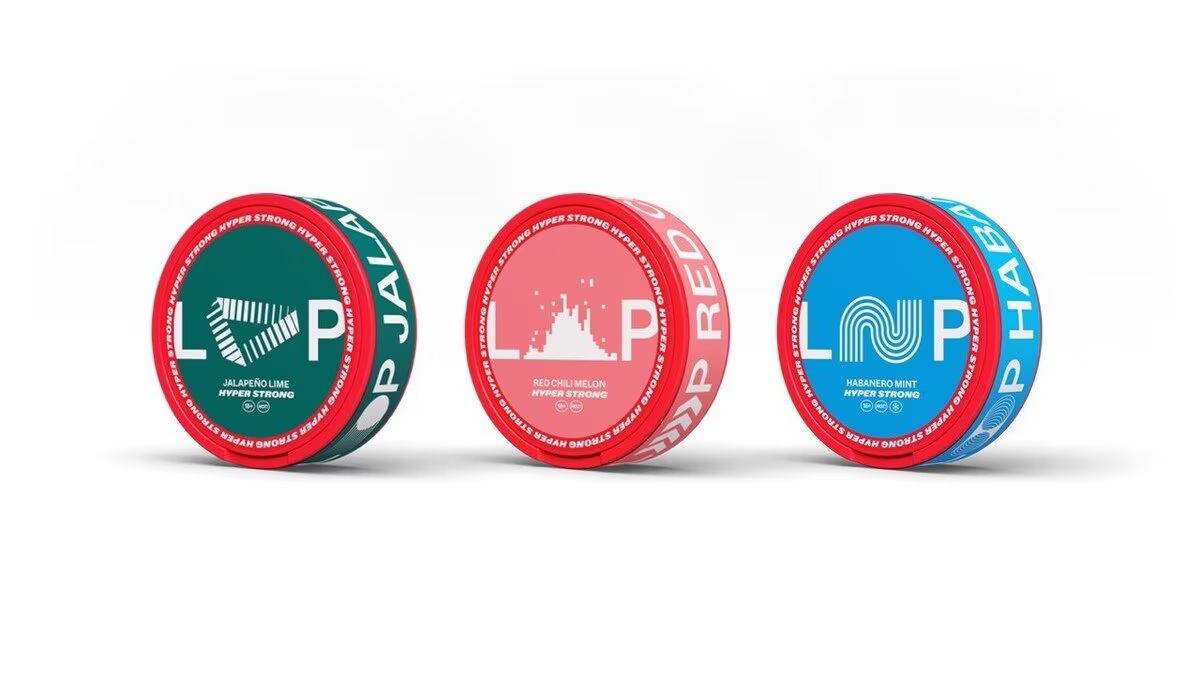
KT&G has introduced nicotine pouch brand LOOP in South Africa, expanding its modern oral nicotine portfolio. Developed by Swedish company Another Snus Factory (ASF), LOOP is a tobacco-free nicotine pouch brand. KT&G and U.S. tobacco company Altria previously participated in ASF’s strategic development, and the South Africa launch represents a further step in LOOP’s international expansion.
Aug.06
South Korea Constitutional Court Upholds Volume-Based E-Liquid Tax, With Challenged Rates at KRW 370 and KRW 628 per Milliliter
South Korea's Constitutional Court has upheld fixed taxes on nicotine-containing e-cigarette liquids based on solution volume, ruling that challenged provisions imposing KRW 370 per milliliter in individual consumption tax and KRW 628 per milliliter in tobacco consumption tax do not violate the Constitution. The cases stemmed from historical disputes involving importers that reported nicotine as being extracted from tobacco stems rather than leaves. South Korea has since broadened its tobacco definition to include synthetic nicotine, while current tax laws provide reduced rates for certain products not derived from tobacco.
Sep.18
F1 Faces Renewed Pressure Over Tobacco and Nicotine Sponsorships as 67 Groups Target ZYN and VELO Ahead of Madrid Race
Ahead of the Formula 1 race in Madrid, 67 Spanish and international public-health, medical and consumer organizations have sent an open letter to F1 President and CEO Stefano Domenicali calling for an end to sponsorships linked to the tobacco and nicotine industry, including nicotine pouches, vaping products and heated tobacco. The letter focuses on Philip Morris International’s ZYN partnership with Ferrari and British American Tobacco’s long-running partnership with McLaren and exposure for VELO. The campaign follows a March letter in which more than 160 organizations worldwide made a similar request to Formula 1.
Sep.10
Australia Tobacco Tax Debate Spreads Within Labor as NSW Premier Minns Reaffirms Support for a Cut
Australia’s tobacco excise debate is increasingly exposing differences within the governing Labor Party. New South Wales Labor Premier Chris Minns reaffirmed on September 8 that he supports reducing tobacco excise, arguing that current tax settings are pushing consumers toward cheaper black-market cigarettes. Federal Health Minister Mark Butler continues to oppose an excise cut, while Treasurer Jim Chalmers and Assistant Treasurer Daniel Mulino have recently stopped short of ruling out future changes. The divergence follows the opposition Coalition’s proposal to cut tobacco excise by 80%.
Sep.08