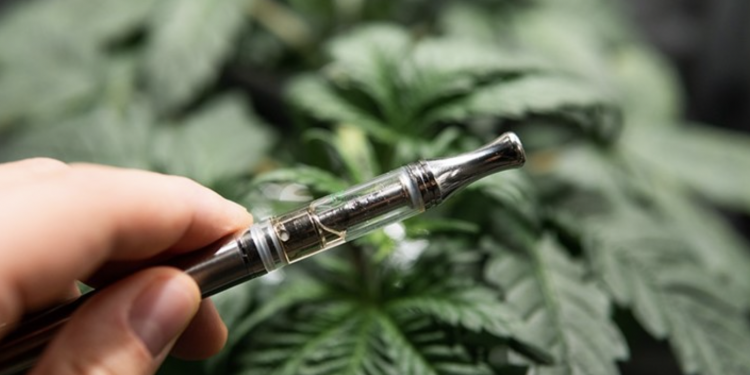
California Governor Gavin Newsom has signed AB 1894 into law, which prohibits the marketing of cannabis vaping devices as disposable products.
We can no longer ignore the harmful impact that electronic products and batteries in cannabis e-cigarettes have on our environment and waste industry," said Luz Rivas, the sponsor of the bill and a female legislator. "AB 1894 takes an important step forward in banning advertisements and marketing for disposable or potentially landfill or recyclable cannabis e-cigarette devices.
According to the National Safety Action Committee (NSAC), a passionate supporter of the bill, there has been a sharp increase in fires in material management systems in recent years, and lithium-ion batteries used in devices like e-cigarettes are a major cause.
Even though battery-powered electronic smoking devices have become an increasingly popular way to consume marijuana, in California they are seen as hazardous waste and are banned from being disposed of or recycled. Some brands instruct consumers to simply toss them out, leading to improper disposal of e-cigarettes in the waste stream and the potential for more fires, endangering people, machinery, and the environment.
In addition to AB 1894, the legislature has addressed this issue further through SB 1215, which expands California's existing e-waste program to include embedded battery products and marijuana e-cigarettes. Governor Newsom also signed AB 2440 into law, requiring battery manufacturers to provide funding and implement a recycling program for their products. However, proper marketing and advertising remain a crucial first step in solving this issue, according to NSAC.
AB 1894 received unanimous votes in both the Senate and Assembly, and was signed into law on September 18th by Governor Newsom along with nine other cannabis-related bills. The passage of AB 1894 was the result of collaboration among many stakeholders, including the cannabis industry advocates who championed the bill.
We recognize the importance of these cannabis products for patients and consumers, as well as the valuable information they provide to ensure their proper and safe disposal," said Amy O'Gorman Jenkins, legislative advocate for the California Cannabis Industry Association. "We appreciate the authors and sponsors working closely with the California cannabis industry to promote sensible regulations that improve environmental sustainability and responsible cannabis use - both fundamental values of the legal cannabis industry.
Statement:
This article is compiled from third-party information and is intended solely for industry exchange and learning.
This article does not represent the viewpoint of 2FIRSTS, and 2FIRSTS cannot confirm the authenticity or accuracy of the article's content. The translation of this article is only intended for industry communication and research purposes.
Due to limitations in translation skills, the translated article may not fully reflect the original text. Please refer to the original article for accuracy.
2FIRSTS maintains complete consistency with the Chinese government's statements and positions regarding anything domestic, related to Hong Kong, Macau, Taiwan, and foreign affairs.
The copyright of compiled information belongs to the original media and author, and if there is any infringement, please contact us to request deletion.
Disclaimer
This article is provided solely for professional research, industry discussion, and informational purposes. Any references to brands, companies, products, technologies, or policies are made for factual reporting and analytical purposes only, and do not constitute endorsement, recommendation, promotion, or advertising by 2Firsts.
Nicotine-containing products, including but not limited to cigarettes, e-cigarettes, heated tobacco products, and nicotine pouches, carry significant health risks. Readers are responsible for complying with all applicable laws and regulations in their respective jurisdictions, including age restrictions and access limitations.
The information contained in this article should not be regarded as investment, legal, medical, regulatory, or commercial advice. While 2Firsts strives to ensure the accuracy and reliability of its content, it does not assume liability for any direct or indirect loss arising from errors, omissions, inaccuracies, or reliance on the information contained herein.
This article is not intended for individuals below the legal age for accessing tobacco or nicotine-related information in their jurisdiction.
Copyright Notice
This article is either original content produced by 2Firsts or content reproduced, translated, summarized, or adapted from third-party sources with attribution where applicable. The intellectual property rights of the original content remain with 2Firsts or the respective original rights holders.
No individual or organization may copy, reproduce, distribute, republish, modify, translate, or otherwise use this content without prior authorization. Any unauthorized use may result in legal action.
For copyright-related inquiries, corrections, or removal requests, please contact: info@2firsts.com.
AI-Assisted Translation and Editing Notice
Portions of this article may have been translated, edited, or reviewed with the assistance of artificial intelligence tools to improve efficiency and readability. Due to the limitations of AI-assisted translation and editing, discrepancies, omissions, or inaccuracies may exist when compared with the original source.
Where applicable, readers are advised to refer to the original source for the most complete and accurate information. If you identify any errors or believe that any content infringes upon your rights, please contact us at info@2firsts.com, and we will review and address the matter promptly.