Key points:
1. Retailers in the UK were dissatisfied with the new vapes regulations, with 95% of businesses believing that the regulations could harm small enterprises.
2. A survey revealed that the majority of respondents believed that flavor bans may lead to a decrease in sales and cause users to return to smoking. Businesses hoped to strengthen enforcement rather than impose bans on sales.
3. The advertising on vapess will be banned. A new permanent lower business rate will be implemented starting in 2026.
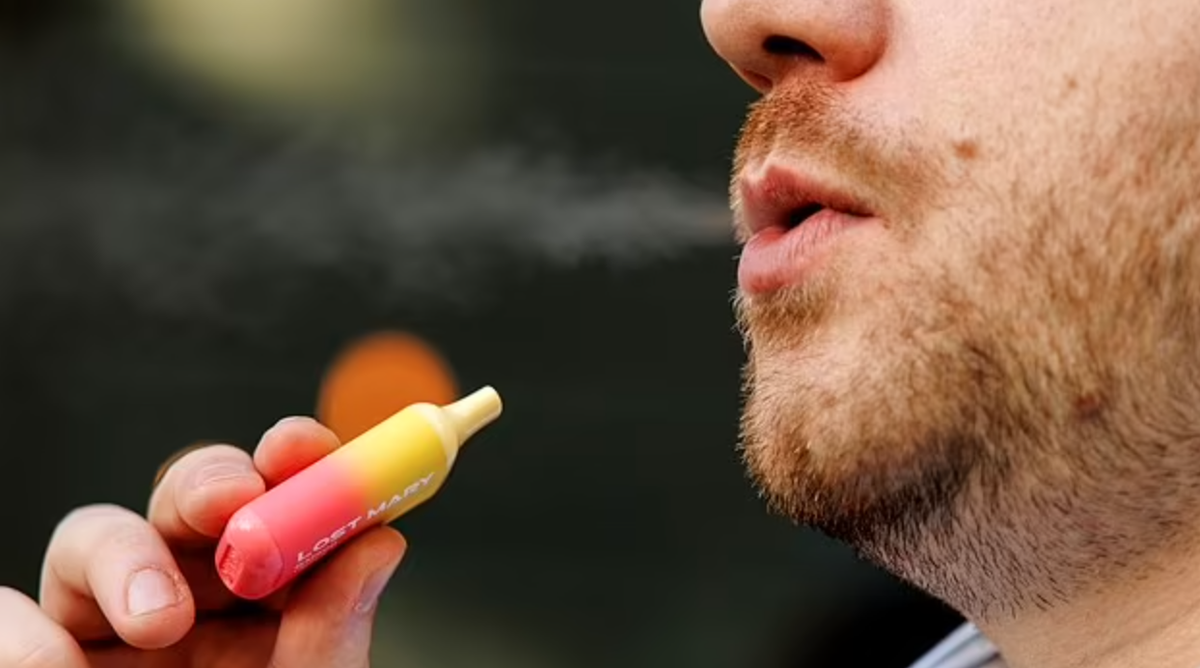
2Firsts, reporting from Shenzhen - Retailers in the constituency of Wes Streeting, the UK Health Minister, were unhappy with the new vapes regulations, Dailymail reported.
A public survey showed that 95% of British businesses believed that these regulations will harm small enterprises.
It also revealed that 80% of retailers believe that even after the ban on disposable vapess takes effect on June 1st as part of the Tobacco and Vapes Bill, store owners will continue to sell illegal Vapess.
98% of respondents do not support the banning of flavored vapes liquid, and 57% are aware of the sale of illegal products in their stores. 93% of those surveyed said that with the introduction of vapes taxes and proposed flavor restrictions, the number of users buying vapess will decrease.
The survey, commissioned by 'We Vapes,' gathered opinions from over 800 independent retailers and franchise stores on the upcoming legislation and its impact on small businesses.
The data, collected through industry and trade exhibition WhatsApp groups, received responses from 167 companies and is considered the most comprehensive retailer study on the government’s smoke-free generation initiative."
The survey also found that 95% of respondents believe that flavor bans will lead to decreased sales, and 50% believe it will prompt e-cigarettes users to return to smoking. Additionally, 49% believe that customers will purchase flavored Vapes products from the black market.
Investigators in Ilford purchased dozens of illegal e-cigarettes. Many of which contain more than double the legal limit of nicotine (2%) and are being sold in packs of 20 for £5. The average price of a pack of standard e-cigarettes is over £16.
When asked about their opinions on the UK government's work on the Tobacco and Vapes bill, 80% of the retailers had negative views, 15% were neutral, and only 4% had positive attitudes.
Approximately 97% of the respondents believe that the government should focus on "enforcing current laws" rather than banning products.
The new regulations of the bill will also prohibit advertising for all nicotine replacement products. Trading Standards will also be able to issue on-the-spot fines of £200 to retailers who violate the new rules, but 78% of people believe this is not enough to deter unscrupulous merchants.
Mark Oates, founder of "We Vapes," stated that:
"The results of our retailer research and opinions on the ground are shocking but of little surprise considering the impact some areas of the bill will have. Kids must not be sold Vapess, which are already age-restricted to over 18, and rogue traders need proper deterrents with closure for repeat offenders. But this plan to broadly attack flavours to protect kids is going to stop adult smokers switching to a much safer nicotine option with a much more appealing taste than tobacco."
The survey also revealed that 97% of respondents believe that the ban on disposable e-cigarettes coming into effect in June will lead to an increase in cigarette smoking.
Additionally, 96% of respondents indicated that they would seek out illegal vapess due to the proposed restrictions.
Last month, Paul Cheema, director of Malcolm's Stores Costcutter in Coventry, wrote to Prime Minister Sir Keir Starmer, urging attention to the future of small retailers and calling for a review of legislation.
A spokesperson from A Department for Health and Social Care spokesperson said:
"We are rightly billing on our promise to end the advertising of e-cigarettes to prevent future generations from becoming hooked on nicotine, and will be producing guidance to support retailers through these changes.
"It's absolutely vital that we support local retailers and get Britain's high street thriving again. This government is committed to doing so – starting with 40 per cent business rates relief next year and a new permanent lower business rate from 2026."
The Tobacco and Vapess Bill is currently at the Committee stage of parliamentar, and will then be submitted to the upper house.
We welcome news tips, article submissions, interview requests, or comments on this piece.
Please contact us at info@2firsts.com, or reach out to Alan Zhao, CEO of 2Firsts, on LinkedIn
Notice
1. This article is intended solely for professional research purposes related to industry, technology, and policy. Any references to brands or products are made purely for objective description and do not constitute any form of endorsement, recommendation, or promotion by 2Firsts.
2. The use of nicotine-containing products — including, but not limited to, cigarettes, e-cigarettes, nicotine pouchand heated tobacco products — carries significant health risks. Users are responsible for complying with all applicable laws and regulations in their respective jurisdictions.
3. This article is not intended to serve as the basis for any investment decisions or financial advice. 2Firsts assumes no direct or indirect liability for any inaccuracies or errors in the content.
4. Access to this article is strictly prohibited for individuals below the legal age in their jurisdiction.
Copyright
This article is either an original work created by 2Firsts or a reproduction from third-party sources with proper attribution. All copyrights and usage rights belong to 2Firsts or the original content provider. Unauthorized reproduction, distribution, or any other form of unauthorized use by any individual or organization is strictly prohibited. Violators will be held legally accountable.
For copyright-related inquiries, please contact: info@2firsts.com
AI Assistance Disclaimer
This article may have been enhanced using AI tools to improve translation and editorial efficiency. However, due to technical limitations, inaccuracies may occur. Readers are encouraged to refer to the cited sources for the most accurate information.
We welcome any corrections or feedback. Please contact us at: info@2firsts.com