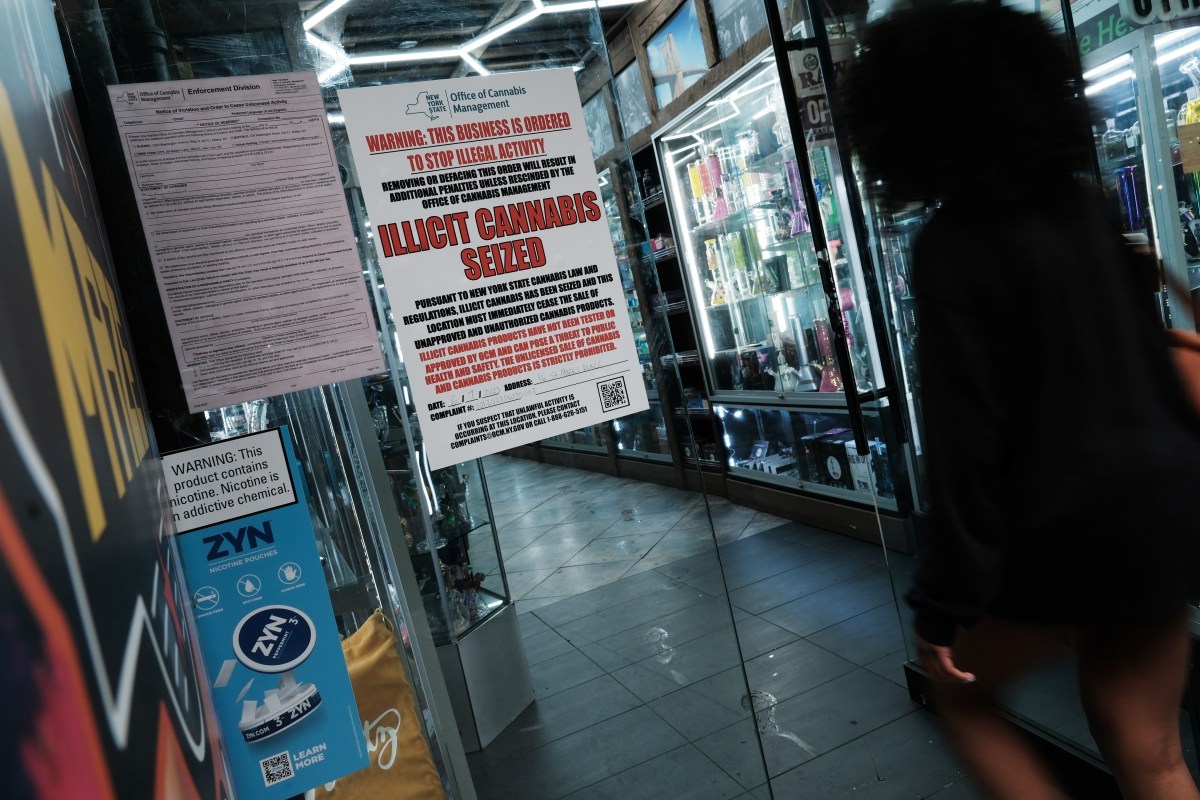
According to a recent report by Eldiariony, the government of New York state has announced that in the latest crackdown on unlicensed marijuana shops across the state, a total of over $54 million worth of marijuana products were seized by the end of last month, with a total weight of 5,000 kilograms.
The Office of Cannabis Management in New York stresses that the state won a significant legal battle on November 21 last year, which will aid in the continued closure of illicitly operating cannabis stores in the future.
According to Mayor Eric Adams and official Anthony Miranda, at the beginning of the Lunar New Year, Governor Kathy Hochul and the legislative body cracked down heavily on unlicensed marijuana shops.
In New York City, the number of unlicensed vendors has now risen to approximately 1,500.
According to the New York Post, this year, a total of 350 locations in the New York area have been targeted and investigated. Among them, 88 locations have been rechecked since 2022. In these operations, a total of 11,000 pounds of marijuana were seized, with a combined value of $54 million.
Chris Alexander, the Executive Director of the New York Cannabis Control Board, emphasized that ensuring statewide safety is their top priority. He firmly stated, "As we contemplate the future development of the New York marijuana market, we must redouble our efforts to enforce and ensure crackdown on illegal operations, in order to safeguard the life and property of the public.
Former Governor Andrew Cuomo and state legislators failed to adequately address enforcement issues against illegal operators when they passed laws legalizing the consumption and sale of marijuana for adults in 2021, creating a booming black market and inadvertently laying the groundwork for the growth of the legal marijuana industry.
The law classifies the unauthorized sale of marijuana and cannabis products as a criminal offense. Fines start at $10,000 per day and can increase up to $20,000 for each subsequent violation. Regulatory agencies may also impose additional fines and seek court orders to permanently shut down repeat offending companies.
New York state currently has 27 licensed adult-use cannabis dispensaries, with 12 of them located in New York City. A court order issued in August has halted new licenses and store openings, leaving the marijuana industry in a legal limbo.
We welcome news tips, article submissions, interview requests, or comments on this piece.
Please contact us at info@2firsts.com, or reach out to Alan Zhao, CEO of 2Firsts, on LinkedIn
Notice
1. This article is intended solely for professional research purposes related to industry, technology, and policy. Any references to brands or products are made purely for objective description and do not constitute any form of endorsement, recommendation, or promotion by 2Firsts.
2. The use of nicotine-containing products — including, but not limited to, cigarettes, e-cigarettes, nicotine pouchand heated tobacco products — carries significant health risks. Users are responsible for complying with all applicable laws and regulations in their respective jurisdictions.
3. This article is not intended to serve as the basis for any investment decisions or financial advice. 2Firsts assumes no direct or indirect liability for any inaccuracies or errors in the content.
4. Access to this article is strictly prohibited for individuals below the legal age in their jurisdiction.
Copyright
This article is either an original work created by 2Firsts or a reproduction from third-party sources with proper attribution. All copyrights and usage rights belong to 2Firsts or the original content provider. Unauthorized reproduction, distribution, or any other form of unauthorized use by any individual or organization is strictly prohibited. Violators will be held legally accountable.
For copyright-related inquiries, please contact: info@2firsts.com
AI Assistance Disclaimer
This article may have been enhanced using AI tools to improve translation and editorial efficiency. However, due to technical limitations, inaccuracies may occur. Readers are encouraged to refer to the cited sources for the most accurate information.
We welcome any corrections or feedback. Please contact us at: info@2firsts.com