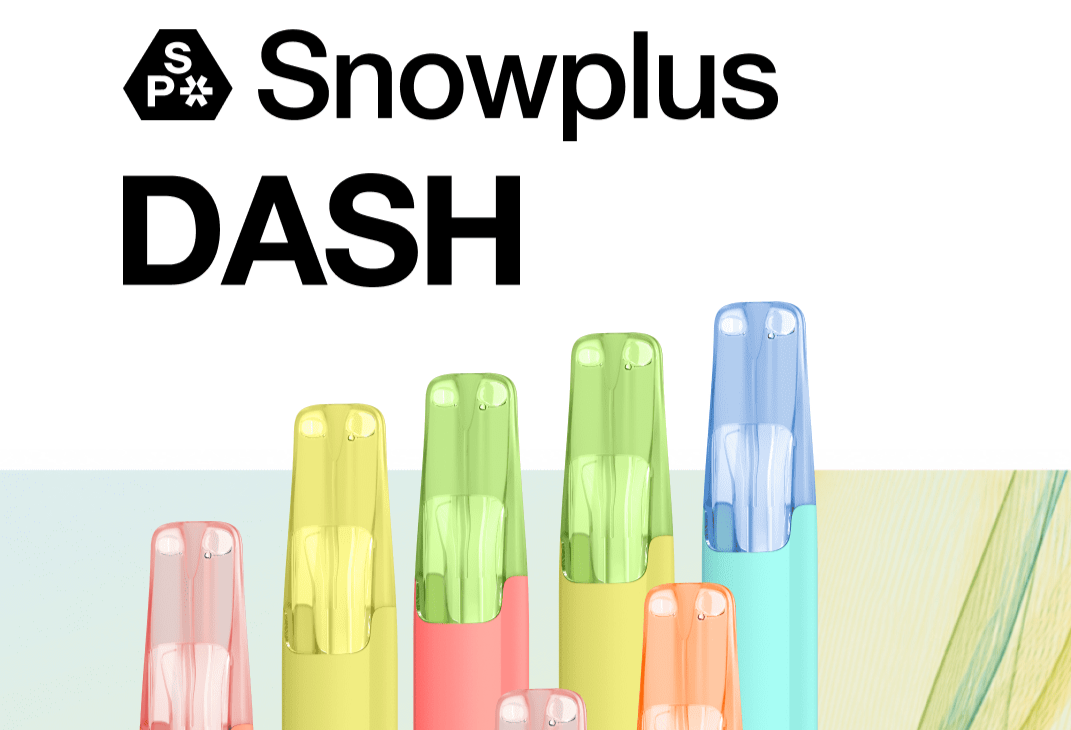
On June 8th, the government of South Australia decided to implement stricter licensing conditions in order to eradicate the illegal sale of nicotine e-cigarettes. The new licensing conditions will explicitly state that the sale of e-cigarettes containing nicotine is illegal and require retailers to provide evidence that their e-cigarette products do not contain nicotine. Retailers will also need to provide information about their e-cigarette suppliers, importers, or manufacturers in order to trace the products.
Commencing operation to crack down on illegal electronic cigarettes.
The South Australian government is set to launch a two-month crackdown on retailers selling e-cigarette products.
Health officials authorized by the South Australian Health Department will conduct random inspections of retailers selling electronic cigarette products, including convenience stores, gas stations, and barber shops, among others.
In the past year's crackdown, authorities seized approximately 15,000 illegal nicotine electronic cigarettes from various locations. Additionally, they issued 17 fines and revoked three licenses.
Last month, the Australian Federal Government announced that the sale of electronic cigarettes and disposable e-cigarettes in retail stores would be banned, and the importation of non-prescription electronic cigarettes would be prohibited.
Surprisingly, the product contains nicotine.
The South Australian Health Department has become increasingly aware that there are loopholes in current legislation. These laws classify nicotine-containing electronic cigarette products as prescription medicines and prohibit the sale of nicotine-containing e-cigarettes without a prescription.
However, the reality is that many electronic cigarette products do not list the nicotine content on their packaging. Nevertheless, through laboratory testing, authorities have confirmed that the majority of disposable electronic cigarettes currently on sale do indeed contain nicotine.
According to the Tobacco and Electronic Cigarette Products Act (TEP Act), in order to ensure that electronic cigarette products do not contain nicotine, license holders must:
Immediately cease sales, distribution, possession or storage of electronic cigarette products containing nicotine; obtain and retain evidence from suppliers demonstrating that their electronic cigarette products do not contain nicotine; if suppliers are unable or unwilling to provide written documentation proving their electronic cigarettes are nicotine-free, conduct laboratory testing; retain documents from related suppliers, importers or manufacturers for product tracing purposes; provide employee training and adequate supervision to ensure compliance with the Tobacco and Electronic Cigarette Products Act, Controlled Substances Act of 1984 and other relevant laws; prominently display the Tobacco and Electronic Cigarette Products Act license, including its conditions, in visible locations.
Any licensed retailer who violates the conditions may face fines of up to AUD 10,000 (approximately RMB 48,000); individuals or retailers found selling or supplying electronic cigarette products or tobacco without permission may face fines of up to AUD 20,000 (approximately RMB 95,000).
Reference: [1] Crackdown on the Illegal Sale of Nicotine Vapes.
Disclaimer
This article is provided solely for professional research, industry discussion, and informational purposes. Any references to brands, companies, products, technologies, or policies are made for factual reporting and analytical purposes only, and do not constitute endorsement, recommendation, promotion, or advertising by 2Firsts.
Nicotine-containing products, including but not limited to cigarettes, e-cigarettes, heated tobacco products, and nicotine pouches, carry significant health risks. Readers are responsible for complying with all applicable laws and regulations in their respective jurisdictions, including age restrictions and access limitations.
The information contained in this article should not be regarded as investment, legal, medical, regulatory, or commercial advice. While 2Firsts strives to ensure the accuracy and reliability of its content, it does not assume liability for any direct or indirect loss arising from errors, omissions, inaccuracies, or reliance on the information contained herein.
This article is not intended for individuals below the legal age for accessing tobacco or nicotine-related information in their jurisdiction.
Copyright Notice
This article is either original content produced by 2Firsts or content reproduced, translated, summarized, or adapted from third-party sources with attribution where applicable. The intellectual property rights of the original content remain with 2Firsts or the respective original rights holders.
No individual or organization may copy, reproduce, distribute, republish, modify, translate, or otherwise use this content without prior authorization. Any unauthorized use may result in legal action.
For copyright-related inquiries, corrections, or removal requests, please contact: info@2firsts.com.
AI-Assisted Translation and Editing Notice
Portions of this article may have been translated, edited, or reviewed with the assistance of artificial intelligence tools to improve efficiency and readability. Due to the limitations of AI-assisted translation and editing, discrepancies, omissions, or inaccuracies may exist when compared with the original source.
Where applicable, readers are advised to refer to the original source for the most complete and accurate information. If you identify any errors or believe that any content infringes upon your rights, please contact us at info@2firsts.com, and we will review and address the matter promptly.