Key Points:
·Scope of the ban: The ban on artificial sweetener e-cigarettes such as cotton candy and donuts, with tobacco, fruit, mint and other flavors being allowed.
·Regulatory loophole: 52% of adolescents report no barriers to purchasing, indicating weak enforcement of current age restrictions.
·Industry criticism: The e-cigarette association believes that enforcement should be strengthened rather than limiting flavors.
·Usage data: 22% of 15-year-old adolescents have recently used e-cigarettes. 8-11% of Czech adults use e-cigarettes, with 3-6% being daily users.
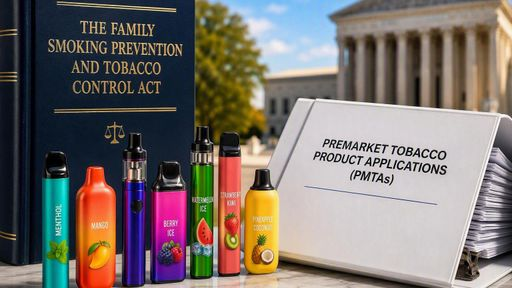
【2Firsts news flash】According to a report on July 7 by Expats.cz, the Czech Ministry of Health has once again targeted the increasingly popular consumption of e-cigarettes among children and adolescents, banning the addition of candy flavors to e-cigarettes. As part of a plan to revise existing regulations, sweet flavor e-cigarettes such as cotton candy and donuts will soon disappear from store shelves.
Health officials stated that this measure aims to reduce the appeal of e-cigarettes to young people. Despite laws prohibiting the sale of e-cigarettes to those under 18, recent surveys have shown that many retailers have failed to strictly enforce age restrictions. Government data has revealed that over half of teenagers report no difficulty in purchasing e-cigarettes.
However, tobacco, coffee, tea, mint, as well as fruit flavors such as strawberry and banana can still be used. In 2024, the Ministry of Health confirmed that the regulation will also stipulate that cigarettes and packaging can only be white and dark brown, and cannot use other colors or features, such as shiny surfaces or trendy stickers.
Critics question whether banning candy-flavored e-cigarettes will bring about meaningful change.
This will hardly limit children from using e-cigarettes," said Robert Hrdlička, chairman of the e-cigarette association representing Czech e-cigarette manufacturers and sellers. He believes that stricter enforcement of existing laws — such as imposing higher fines on retailers selling e-cigarettes to minors — would be more effective.
Addiction experts have also expressed the same viewpoint. Former National Drug Coordinator Jindřich Vobořil is calling for stronger regulation of retailers and the revocation of licenses for repeat offenders.
The National Drug and Addiction Monitoring Center warns that nicotine pouches and e-cigarettes are among the least harmful nicotine products.
However, they emphasize that no nicotine product is without risk, especially for children. Data shows a concerning increase in e-cigarette usage among Czech adolescents.
For example, a study in 2022 found that 22% of 15-year-old adolescents had used e-cigarettes in the past 30 days. While the overall number of nicotine users in the Czech Republic remains stable, the usage of traditional cigarettes is declining, being replaced by alternatives such as e-cigarettes and heated tobacco products. According to the monitoring center report, currently 8-11% of adults use e-cigarettes, with 3-6% using them daily.
The proposed changes put forth by the Ministry of Health still need to receive final approval in order to take effect.
We welcome news tips, article submissions, interview requests, or comments on this piece.
Please contact us at info@2firsts.com, or reach out to Alan Zhao, CEO of 2Firsts, on LinkedIn
Notice
1. This article is intended solely for professional research purposes related to industry, technology, and policy. Any references to brands or products are made purely for objective description and do not constitute any form of endorsement, recommendation, or promotion by 2Firsts.
2. The use of nicotine-containing products — including, but not limited to, cigarettes, e-cigarettes, nicotine pouchand heated tobacco products — carries significant health risks. Users are responsible for complying with all applicable laws and regulations in their respective jurisdictions.
3. This article is not intended to serve as the basis for any investment decisions or financial advice. 2Firsts assumes no direct or indirect liability for any inaccuracies or errors in the content.
4. Access to this article is strictly prohibited for individuals below the legal age in their jurisdiction.
Copyright
This article is either an original work created by 2Firsts or a reproduction from third-party sources with proper attribution. All copyrights and usage rights belong to 2Firsts or the original content provider. Unauthorized reproduction, distribution, or any other form of unauthorized use by any individual or organization is strictly prohibited. Violators will be held legally accountable.
For copyright-related inquiries, please contact: info@2firsts.com
AI Assistance Disclaimer
This article may have been enhanced using AI tools to improve translation and editorial efficiency. However, due to technical limitations, inaccuracies may occur. Readers are encouraged to refer to the cited sources for the most accurate information.
We welcome any corrections or feedback. Please contact us at: info@2firsts.com