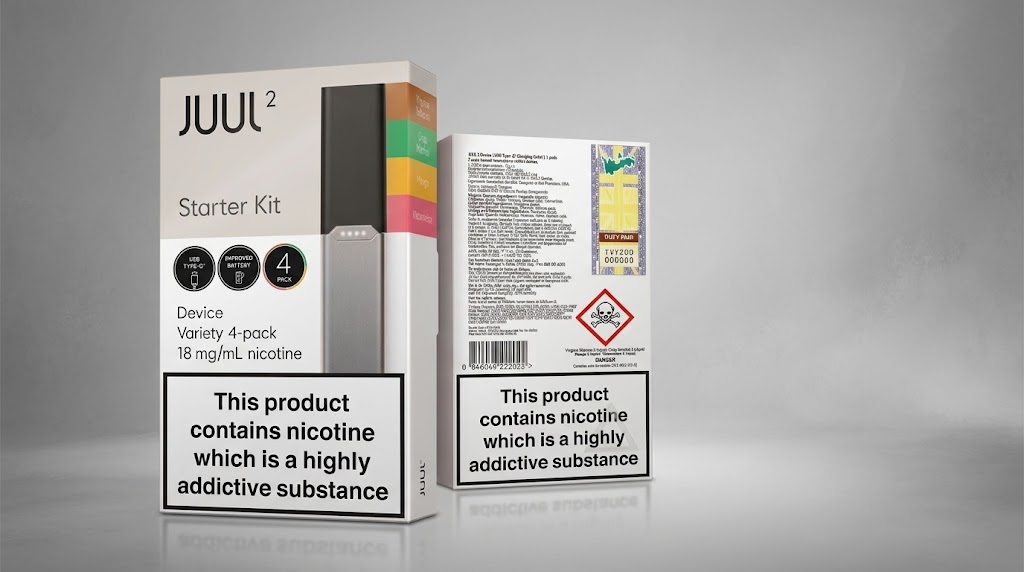
According to a report by a foreign media outlet on March 16, 2022, smoking is the main cause of cancer in Denmark (Getty Images/iStockphoto).
The Danish Ministry of Health has announced plans to prohibit the sale of cigarettes and nicotine products to anyone born after 2010.
According to a report from Agence France-Presse, on Tuesday, March 15th, during a press conference, the Minister of Health, Magnus Heunicke, stated that a policy change would prevent the next generation from smoking any form of tobacco.
We hope that all individuals born after 2010 will never start smoking or using nicotine products.
If necessary, we are prepared to ban sales to this generation (born in 2010) by gradually raising the age limit for purchases," said Heunicke.
According to current Danish law, individuals under the age of 18 are prohibited from purchasing tobacco and e-cigarettes. However, Heunicke stated that approximately 31% of individuals between the ages of 15 and 29 are smokers.
He stated that smoking is the leading cause of cancer in the country and results in 13,600 deaths each year.
This news was released after New Zealand announced plans to ban the purchase of cigarettes for anyone born after 2008. The ban is expected to go into effect this year.
Dr. Ayesha Verrall, the Minister of Health, stated in a December 2021 statement that the ban would ensure that young people "will never start smoking.
We hope to ensure that young people never start smoking, therefore selling or supplying tobacco products to new young demographics will become an illegal act," Verrall said.
When the law takes effect, 14-year-olds will never be able to legally purchase tobacco.
Furthermore, the government plans to introduce major tobacco control measures, such as reducing the nicotine content in products and limiting the sale of cigarettes to specific locations.
As a result of these changes, the number of stores authorized to sell cigarettes will be reduced from approximately 8,000 to less than 500.
These are world-leading measures that will put us on track to achieving New Zealand's long-term goal of being smoke-free by 2025," Verrall added.
(Source: Yahoo!)
Disclaimer
This article is provided solely for professional research, industry discussion, and informational purposes. Any references to brands, companies, products, technologies, or policies are made for factual reporting and analytical purposes only, and do not constitute endorsement, recommendation, promotion, or advertising by 2Firsts.
Nicotine-containing products, including but not limited to cigarettes, e-cigarettes, heated tobacco products, and nicotine pouches, carry significant health risks. Readers are responsible for complying with all applicable laws and regulations in their respective jurisdictions, including age restrictions and access limitations.
The information contained in this article should not be regarded as investment, legal, medical, regulatory, or commercial advice. While 2Firsts strives to ensure the accuracy and reliability of its content, it does not assume liability for any direct or indirect loss arising from errors, omissions, inaccuracies, or reliance on the information contained herein.
This article is not intended for individuals below the legal age for accessing tobacco or nicotine-related information in their jurisdiction.
Copyright Notice
This article is either original content produced by 2Firsts or content reproduced, translated, summarized, or adapted from third-party sources with attribution where applicable. The intellectual property rights of the original content remain with 2Firsts or the respective original rights holders.
No individual or organization may copy, reproduce, distribute, republish, modify, translate, or otherwise use this content without prior authorization. Any unauthorized use may result in legal action.
For copyright-related inquiries, corrections, or removal requests, please contact: info@2firsts.com.
AI-Assisted Translation and Editing Notice
Portions of this article may have been translated, edited, or reviewed with the assistance of artificial intelligence tools to improve efficiency and readability. Due to the limitations of AI-assisted translation and editing, discrepancies, omissions, or inaccuracies may exist when compared with the original source.
Where applicable, readers are advised to refer to the original source for the most complete and accurate information. If you identify any errors or believe that any content infringes upon your rights, please contact us at info@2firsts.com, and we will review and address the matter promptly.