ELFBAR Seeks Injunction Against U.S. Firm for Alleged Counterfeiting

BusinessElfbar by Ashe Wong
Jul.19.2023
ELFBAR Seeks Injunction Against U.S. Firm for Alleged Counterfeiting
Chinese e-cigarette maker iMiracle petitions for U.S. injunction against VPR Brands for alleged counterfeiting.

According to LAW360, renowned Chinese disposable e-cigarette brand ELFBAR's manufacturer, iMiracle, applied to a federal judge in Georgia, USA, seeking to ban American firm VPR Brands LP from selling its "low-quality", "counterfeit" e-cigarettes.


In its motion for a preliminary injunction against VPR Brands, iMiracle argued that for years, VPR Brands witnessed ELFBAR become one of the "most successful brands" in the country, but instead of attempting fair competition, VPR used "fraudulent" trademark registration to hinder iMiracle, rolling out its own "counterfeit products."


The company stated:

"Although VPR and its licensors just started selling their counterfeit products, it is clear from their branding as the 'original ElfBar' that VPR is capitalizing on iMiracle's good reputation and word-of-mouth."


VPR Brands initially brought a lawsuit in October 2022, claiming iMiracle and other companies infringed on the rights of the Elf name as the company held registration with the U.S. Patent and Trademark Office. It relied on its registration to convince U.S. District Judge Aileen M. Cannon to issue a preliminary injunction against iMiracle and other companies in February 2023, banning them from selling e-cigarettes with the Elf name.


Following this, VPR Brands launched its own disposable e-cigarette line—Elfbar BP5000 and Elf VPR 7000. iMiracle alleges these products wholly mimic iMiracle's ELFBAR e-cigarettes, even including the same flavors, shape, and color scheme.


iMiracle asserts that VPR Brands' immediate launch of disposable e-cigarettes after being banned from using the Elfbar name was a clear attempt to confuse consumers and exploit the good relations iMiracle had established with customers. iMiracle is seeking to prohibit VPR Brands from selling products under the Elfbar name. They also requested the preliminary injunction bond be set at zero, pointing out VPR Brands cannot claim to have lost normal profits.


It is noteworthy that when Judge Cannon issued the injunction against iMiracle, she set the bond at $500,000, despite these companies claiming they would lose tens of millions of dollars due to the injunction.


In June 2023, iMiracle counter-sued, and another Chinese company, GD Sigelei, also claimed it first launched and sold the "Elf Tank" "sub-brand" in April 2016. Therefore, it has common law rights to the "Elf" name. These companies contend VPR Brands' "Elf" trademark is invalid.


Moreover, VPR's "Elf" trademark was "copied" during its interaction with another Chinese company, Clean Vapor Technology, in 2017. This company is a third-party manufacturer, not a litigant, and it is still a supplier to VPR, but they allege that VPR did not obtain the rights to use the name from the company.


VPR Brands has filed a motion to dismiss the Georgia counterclaim, stating it should not be compelled to deal with third-party counterclaims brought by foreign entities, asserting the first-to-file rule necessitates these suits to be heard in Florida.


Reference: 

[1] Chinese Vape Maker Urges Court To Bar Fla. Co.'s 'Elfbar' Use

*The content of this article is written after the extraction, compilation and integration of multiple information for exchange and learning purposes. The copyright of the summary information still belongs to the original article and its author. If any infringement is found, please contact us to delete it. 

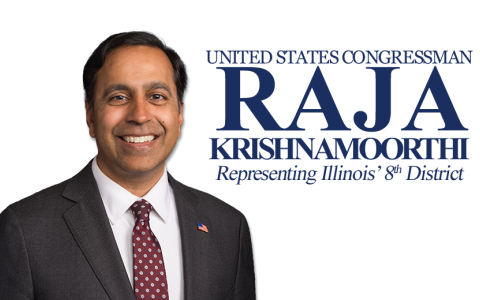
U.S. Rep. Krishnamoorthi Questions FDA Over Planned PMTA Rewrite, Seeks Communications With Altria and Reynolds
U.S. Rep. Raja Krishnamoorthi on Oct. 6 questioned the FDA over its plan to reassess and potentially replace the 2021 PMTA regulatory framework, asking the agency to identify provisions it may change or eliminate, state whether current scientific evidentiary standards will be maintained, and disclose communications with Altria, Reynolds and other parties challenging the rule. Krishnamoorthi led a congressional investigation into JUUL and youth vaping in 2019 and has since remained active on e-cigarette regulation and enforcement.
Regulations
Oct.08
U.S. Customs Plan to Require Foreign Export Declarations Could Deal ‘Devastating’ Blow to China’s Vape Exports, Logistics gl Expert Says
A U.S. Customs and Border Protection proposal to collect foreign export declarations and other overseas customs documents could expose discrepancies in the value, classification and description of China-made vape shipments entering the United States. A veteran Chinese logistics professional told 2Firsts that the measure, if implemented, could undermine the all-inclusive shipping model used by some unauthorized vape exporters and push parts of the trade toward costlier underground channels. The risk extends beyond higher duties: accurately declared products may also be more readily identified as unauthorized e-cigarettes subject to FDA enforcement.
Special Report
Sep.07
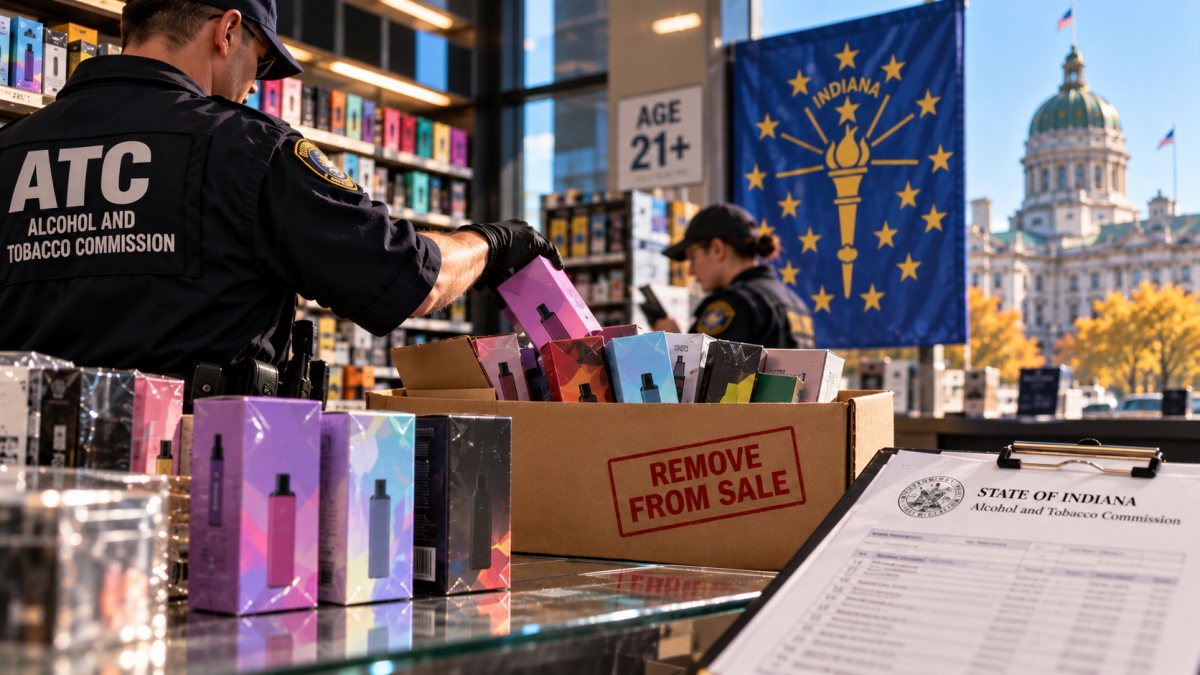
Indiana Halts Sales of Elf Bar, Lost Mary, MR FOG and iJOY Vapes Under Foreign-Adversary Rules; Some Products Return After Compliance Filings
Indiana's Alcohol and Tobacco Commission (ATC) ordered tobacco certificate holders in September to remove certain vaping products marketed under Elf Bar, Lost Mary, MR FOG, iJOY and other brands from inventory under the state's foreign-adversary product law. The agency later listed 257 MR FOG products and 77 Lost Mary product entries as lawful for sale. The Lost Mary revision expressly stated that compliance evidence had been received for 20 additional products. 2Firsts compliance expert Kurt said potential filings could include e-liquid and ingredient-origin records, U.S. nicotine-analog supply-chain documentation and FDA premarket application status.
Regulations
Oct.08
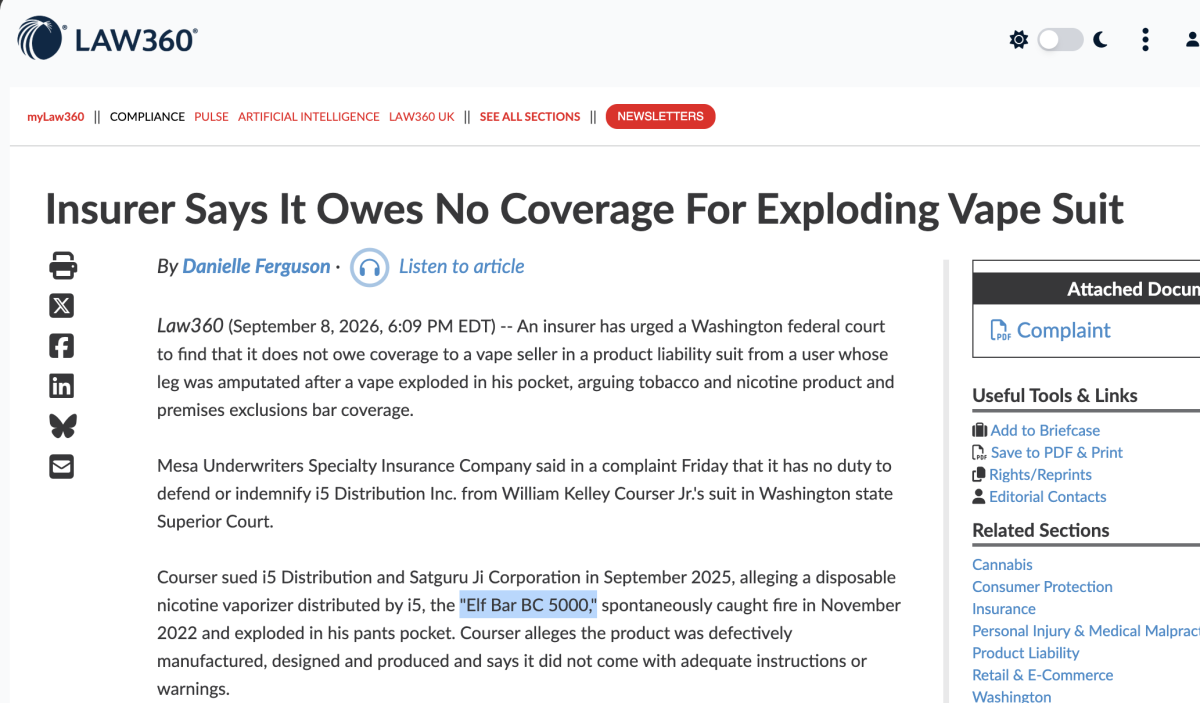
Elf Bar Vape Explosion and Amputation Claim Spurs Coverage Suit, U.S. Insurer MUSIC Seeks Ruling It Owes No Duty to Defend or Indemnify Distributor i5
Mesa Underwriters Specialty Insurance Company has asked a federal court in Washington to declare that it has no duty to defend or indemnify vape distributor i5 Distribution in a product liability case involving an Elf Bar BC5000. The plaintiff alleges that the disposable vape caught fire and exploded in his pocket, causing severe burns and ultimately requiring an above-the-knee amputation of his left leg. MUSIC is relying on a tobacco, nicotine or nicotine replacement products exclusion and a premises limitation endorsement. The court has not ruled on the coverage dispute.
News
Sep.10
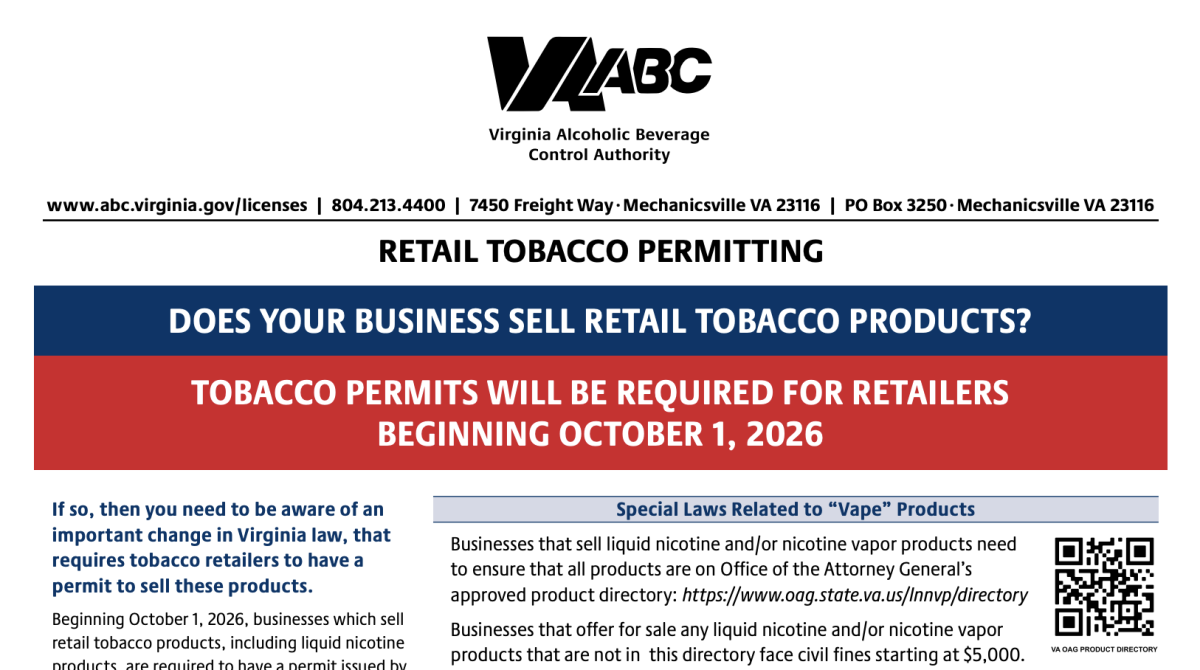
Virginia Tobacco Retail Permit Takes Effect October 1, Covering Vapes as More Than 3,000 Businesses Apply in September
Virginia's new retail tobacco permit system took effect October 1, requiring sellers of vapes, nicotine products and related devices and accessories to obtain a Retail Tobacco Permit for each business location. Virginia ABC said more than 3,000 businesses applied in September alone, creating a processing backlog. Qualifying applicants that filed before October 1 may temporarily operate under a Letter of Authorization. The new store-level permit also sits alongside Virginia's existing vape product directory, where sales of unlisted liquid nicotine or nicotine vapor products can trigger civil penalties starting at $5,000.
Regulations
Oct.03
GAO Audit Finds Nearly 132,000 FDA Tobacco Applications Waiting an Average 1,266 Days as Nicotine Pouch Pilot Practices Move Into Vape PMTA Reviews
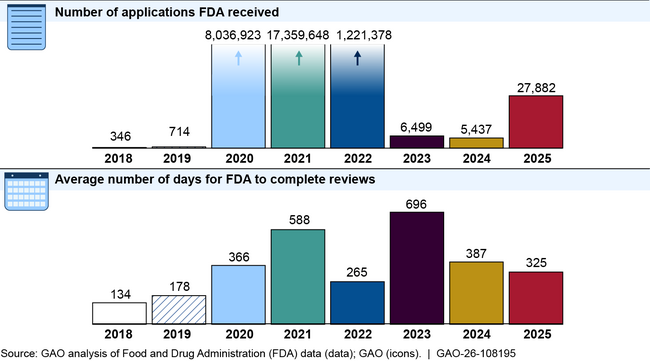
A U.S. Government Accountability Office audit found that 131,915 tobacco product applications submitted to the FDA since 2018 remained without a final review as of December 31, 2025, with pending applications waiting an average of 1,266 days. GAO also found FDA lacks the data needed to systematically determine whether scientific reviews meet applicable timelines. HHS agreed to upgrade the agency's tracking systems. At the same time, FDA has begun applying lessons from its nicotine pouch PMTA pilot to e-cigarette reviews, while changes to enforcement policy and electronic submissions are making the specific stage of a PMTA increasingly relevant to market access.
FDA
Oct.03