Key Points
- Geek Bar was the top youth e-cigarette brand.
- Several high-share brands lack FDA authorization.
- ZYN led reported youth nicotine pouch brands.
- NYTS data may shape FDA enforcement priorities.
2Firsts
June 24, 2026
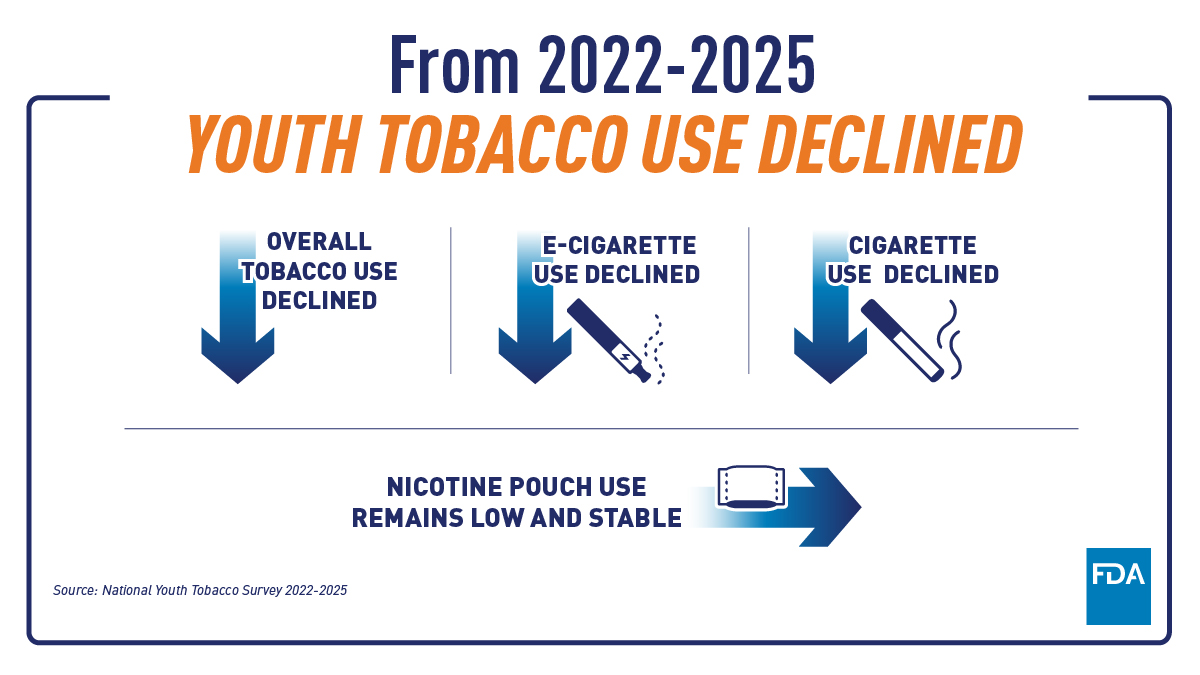
According to the U.S. Food and Drug Administration’s (FDA) analysis of 2025 National Youth Tobacco Survey (NYTS) data, about 2.01 million U.S. middle and high school students reported current use of any tobacco product in 2025. The FDA said current use of tobacco products overall, e-cigarettes and cigarettes declined among U.S. youth during 2022-2025, while current nicotine pouch use remained low and stable during 2024-2025.
Youth Use Structure
NYTS is an annual school-based survey of U.S. students in grades 6 through 12. It gathers information on students’ tobacco-related behaviors and attitudes, as well as exposure to pro- and anti-tobacco messages. The FDA says the survey uses a sampling method designed to produce nationally representative results, with data weighted to reflect national trends.
The 2025 NYTS found that 7.2% of U.S. middle and high school students reported current use of any tobacco product, representing about 2.01 million youth. That included 9.5% of high school students, or about 1.50 million, and 4.1% of middle school students, or about 480,000.
“Current use” means use on one or more days during the past 30 days. FDA data show that 2.6% of students, or about 720,000, reported current use of any combusted tobacco product in 2025, while 2.7%, or about 740,000, reported current use of two or more tobacco products.
By product category, e-cigarettes remained the most commonly used tobacco product among U.S. youth, with current use at 5.2%, or about 1.44 million youth. Nicotine pouches ranked second at 1.7%, or about 460,000 youth, followed by cigarettes at 1.4%, cigars at 1.1%, smokeless tobacco at 0.9%, heated tobacco products at 0.7%, hookahs at 0.7%, other oral nicotine products at 0.6% and pipe tobacco at 0.4%.
Among current youth e-cigarette users, 27.5% used e-cigarettes daily and 41.2% reported using them on at least 20 of the past 30 days. Flavored e-cigarettes remained dominant, with 89.4% of current youth e-cigarette users reporting flavored e-cigarette use. Fruit flavors were the most popular, followed by candy, desserts or other sweets, mint and menthol. FDA also said 53.4% of current e-cigarette users reported using flavors with “ice” or “iced” in the name.
By device type, disposable e-cigarettes were the most commonly used form. In 2025, 66.3% of current youth e-cigarette users reported using disposables, followed by 12.0% who used prefilled or refillable pods or cartridges. The structure shows that although overall youth e-cigarette prevalence has declined, disposable, flavored and “ice” products remain central regulatory concerns.
Brand Authorization and Enforcement Risk
FDA data show that the most commonly reported brands among current youth e-cigarette users in 2025 were Geek Bar, Elf Bar, Lost Mary, Raz and Vuse. Geek Bar accounted for 64.1%, followed by Elf Bar at 21.5%, Lost Mary at 19.8%, Raz at 19.5% and Vuse at 15.9%.
From a PMTA/MGO perspective, these brands differ significantly. Some Vuse products have received FDA marketing authorization, or marketing granted orders (MGOs), through the premarket tobacco product application (PMTA) pathway, including certain tobacco- and menthol-flavored products. NYTS brand data do not identify specific SKUs, so the appearance of “Vuse” in the survey does not by itself establish whether the products used by youth were FDA-authorized products.
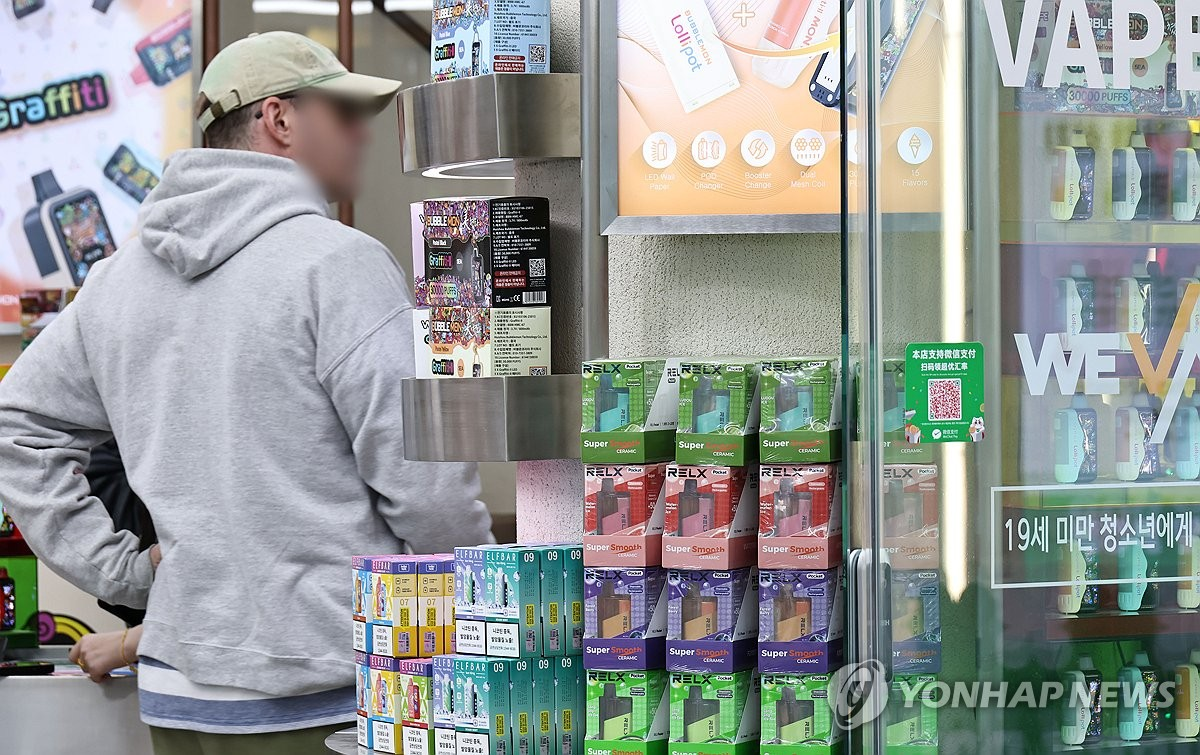
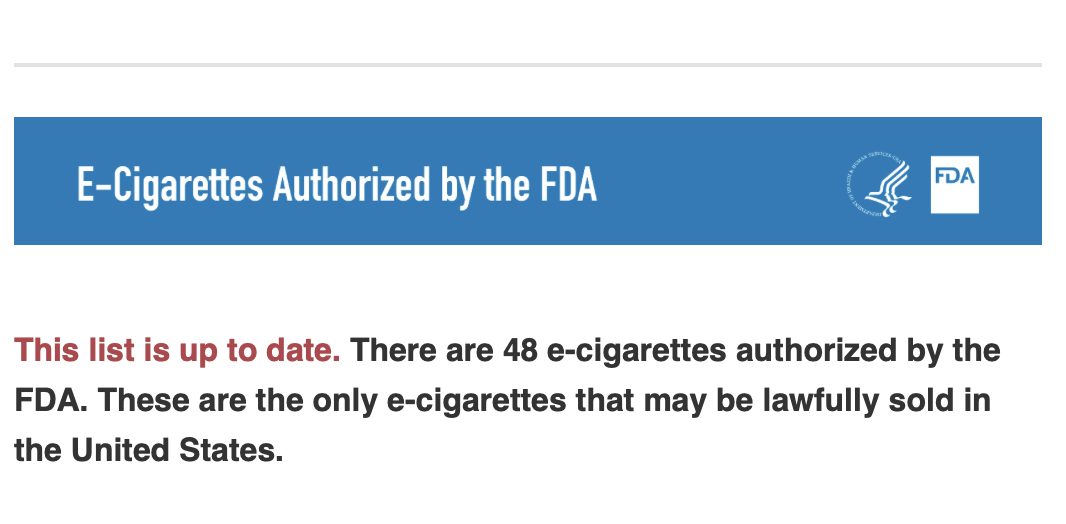
Geek Bar, Elf Bar, Lost Mary and Raz are not on FDA’s authorized e-cigarette product list. Under FDA’s current regulatory framework, e-cigarette products without marketing authorization may not be lawfully sold in the United States. If such products remain on the U.S. market, they are generally treated as unauthorized products and may be subject to enforcement by FDA, U.S. Customs and Border Protection (CBP) and state-level officials.
FDA has previously taken repeated action against unauthorized disposable e-cigarette brands popular among youth or considered youth-appealing, including Geek Bar, Elf Bar and Lost Mary. These actions have included warning letters to online retailers, brick-and-mortar retailers and related companies, as well as joint actions with CBP to block or seize illegal e-cigarette products.
Industry compliance professionals say NYTS data can influence FDA enforcement priorities. Based on patterns from previous years, brands with high youth-use shares in NYTS that lack PMTA/MGO authorization often face greater enforcement attention across the supply chain, including importers, U.S. warehouses, online platforms, wholesalers and retail outlets.
Potential enforcement pathways include customs seizures, FDA warning letters, civil money penalties, warehouse or distribution investigations, and lawsuits or settlements brought by state attorneys general against illegal vape sales networks. For the industry, NYTS brand rankings have become an important indicator of compliance and channel risk in the U.S. vape market.
Nicotine Pouch Brand Differences
The 2025 NYTS also separately reported nicotine pouch use. FDA data show that 1.7% of U.S. middle and high school students, or about 460,000 youth, reported current nicotine pouch use. The FDA said current nicotine pouch use remained low and stable during 2024-2025.
By brand, ZYN was the most commonly reported nicotine pouch brand among current youth users, at 69.2%, followed by on! at 14.6%, Rogue at 12.3%, ZONE at 10.5% and Grizzly at 9.1%.
FDA authorized 20 ZYN nicotine pouch products in January 2025, covering 3 mg and 6 mg strengths and multiple flavors; it has also authorized six on! PLUS nicotine pouch products from Helix Innovations LLC, covering Mint, Tobacco and Wintergreen in 6 mg and 9 mg strengths. NYTS lists only the “on!” brand and does not break the data down by on! PLUS or other specific SKUs.
The 2025 NYTS data extend a dual trend in U.S. nicotine-product regulation: overall youth use is declining, while flavored e-cigarettes, disposable products, high-share unauthorized brands and frequent-use groups remain enforcement priorities. Key issues to watch include whether FDA continues import and retail enforcement against illegal disposable e-cigarettes, whether CBP expands seizures, and whether state attorneys general take further action involving high-share unauthorized brands, U.S. warehouses, distributors or retail networks.
Follow 2Firsts for the latest updates on global tobacco harm reduction, nicotine products and regulatory developments.
Cover image: FDA
Disclaimer
This article is provided solely for professional research, industry discussion, and informational purposes. Any references to brands, companies, products, technologies, or policies are made for factual reporting and analytical purposes only, and do not constitute endorsement, recommendation, promotion, or advertising by 2Firsts.
Nicotine-containing products, including but not limited to cigarettes, e-cigarettes, heated tobacco products, and nicotine pouches, carry significant health risks. Readers are responsible for complying with all applicable laws and regulations in their respective jurisdictions, including age restrictions and access limitations.
The information contained in this article should not be regarded as investment, legal, medical, regulatory, or commercial advice. While 2Firsts strives to ensure the accuracy and reliability of its content, it does not assume liability for any direct or indirect loss arising from errors, omissions, inaccuracies, or reliance on the information contained herein.
This article is not intended for individuals below the legal age for accessing tobacco or nicotine-related information in their jurisdiction.
Copyright Notice
This article is either original content produced by 2Firsts or content reproduced, translated, summarized, or adapted from third-party sources with attribution where applicable. The intellectual property rights of the original content remain with 2Firsts or the respective original rights holders.
No individual or organization may copy, reproduce, distribute, republish, modify, translate, or otherwise use this content without prior authorization. Any unauthorized use may result in legal action.
For copyright-related inquiries, corrections, or removal requests, please contact: info@2firsts.com.
AI-Assisted Translation and Editing Notice
Portions of this article may have been translated, edited, or reviewed with the assistance of artificial intelligence tools to improve efficiency and readability. Due to the limitations of AI-assisted translation and editing, discrepancies, omissions, or inaccuracies may exist when compared with the original source.
Where applicable, readers are advised to refer to the original source for the most complete and accurate information. If you identify any errors or believe that any content infringes upon your rights, please contact us at info@2firsts.com, and we will review and address the matter promptly.