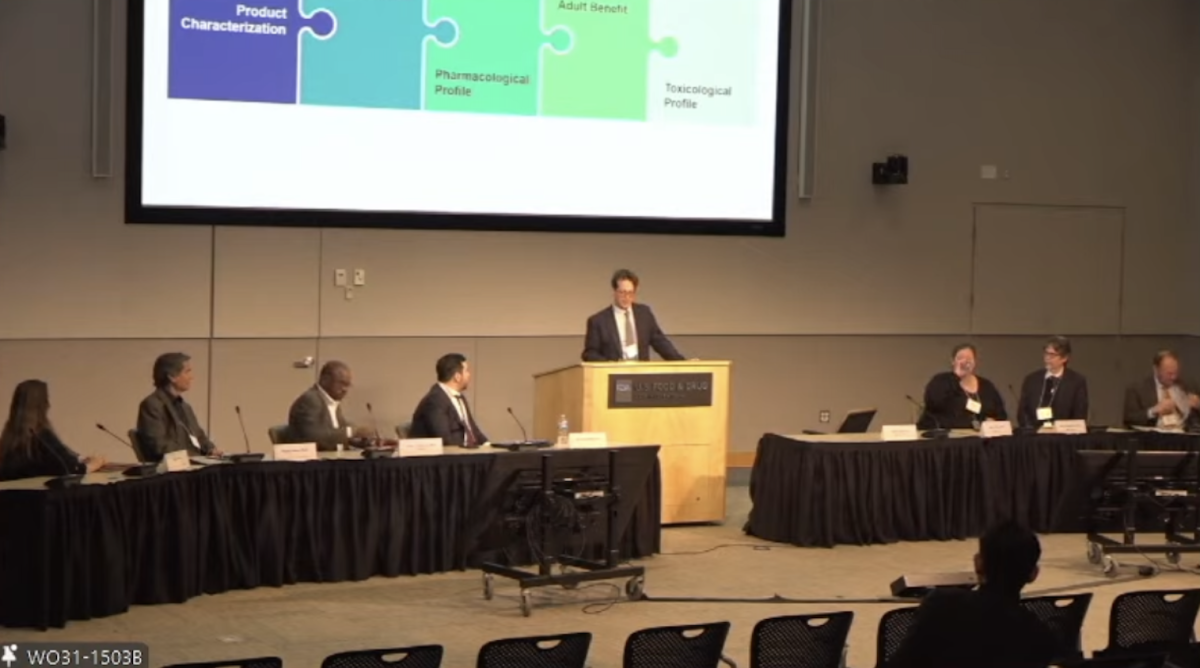
On February 10, 2026, the U.S. Food and Drug Administration (FDA) convened a multi-session roundtable on Premarket Tobacco Applications (PMTAs) for electronic nicotine delivery systems (ENDS), bringing together senior agency officials and industry representatives to discuss scientific standards and regulatory expectations under the “Appropriate for the Protection of Public Health” (APPH) framework.
The discussions spanned product characterization, manufacturing controls, pharmacological assessment, studies of adult benefit, and toxicological review—offering rare public visibility into the agency’s current evaluation approach.
As of February 11, 2026 (Beijing Time), 2Firsts has published eight in-depth reports covering each panel session and key regulatory signals from the meeting. Together, these reports provide one of the most systematic and timely documentations of the event, examining scientific methodologies, review frameworks, and industry responses.
2Firsts will continue to follow developments related to FDA PMTA policy and review practice. Readers are invited to follow ongoing updates on the 2Firsts website and across our social media channels.
For professional inquiries or further discussion, readers are welcome to contact 2Firsts CEO Alan Zhao at alan@2firsts.com.
Below is the complete collection of our coverage to date.
Panel I: Product Characterization
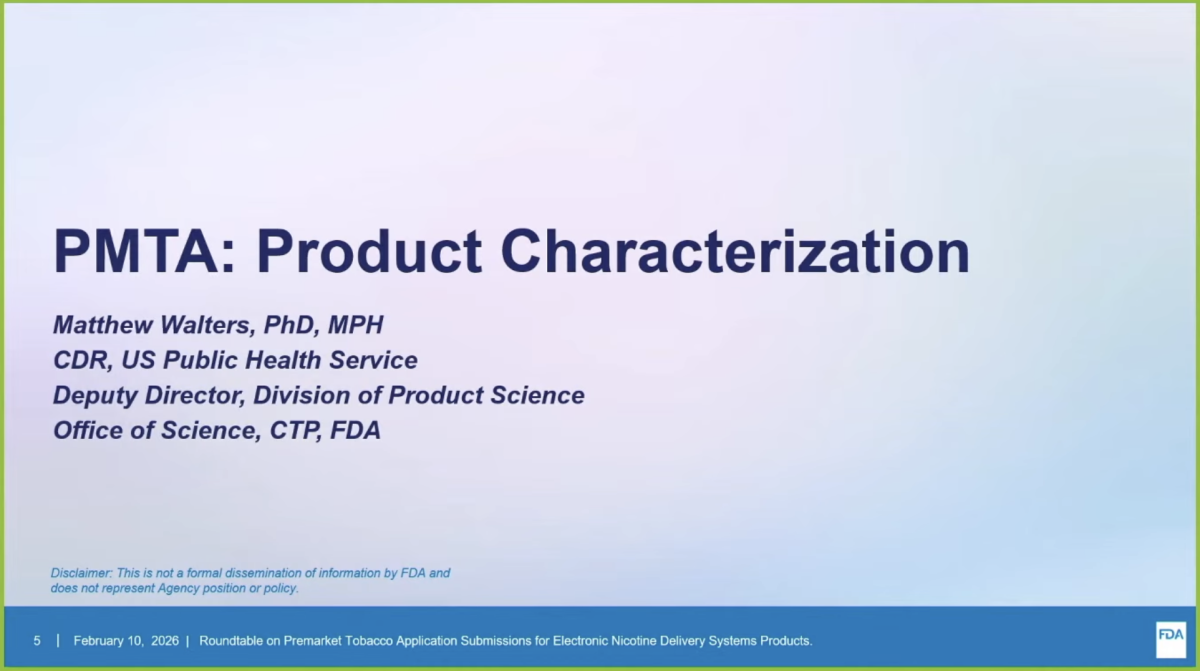

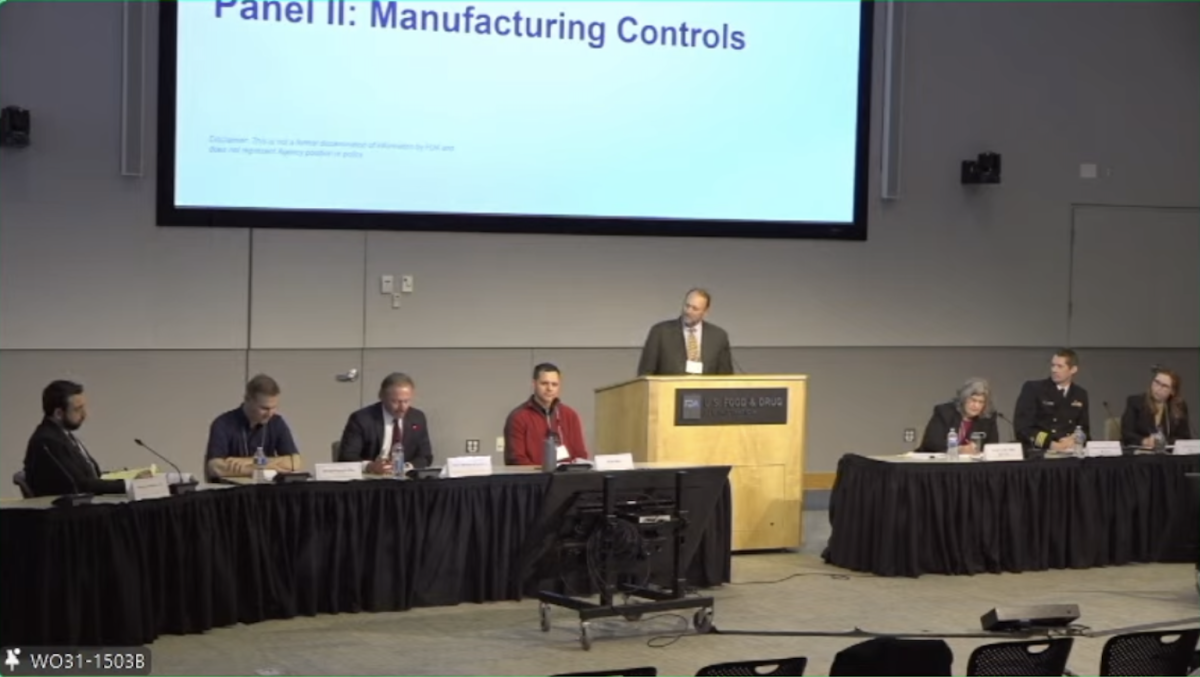
Panel II: Manufacturing Controls
Panel III: Pharmacological Profile
Panel IV: Studies of Adult Benefit
Panel V: Toxicological Profile
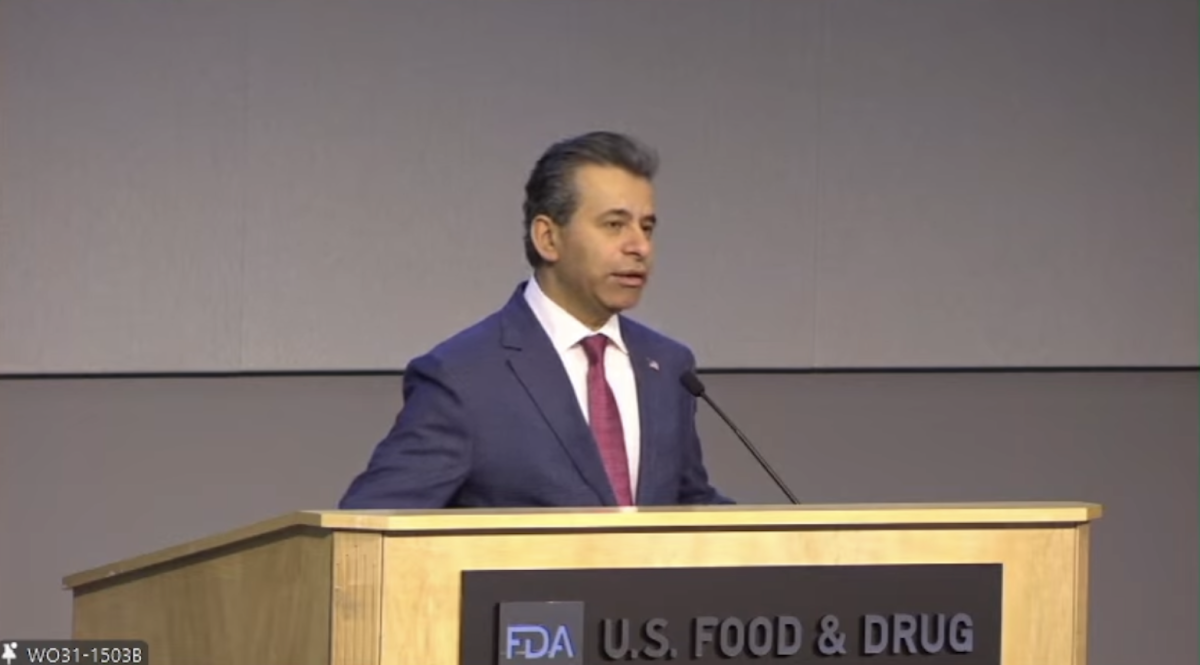
Summary, Closing Comments & Adjournment
Disclaimer
This article is provided solely for professional research, industry discussion, and informational purposes. Any references to brands, companies, products, technologies, or policies are made for factual reporting and analytical purposes only, and do not constitute endorsement, recommendation, promotion, or advertising by 2Firsts.
Nicotine-containing products, including but not limited to cigarettes, e-cigarettes, heated tobacco products, and nicotine pouches, carry significant health risks. Readers are responsible for complying with all applicable laws and regulations in their respective jurisdictions, including age restrictions and access limitations.
The information contained in this article should not be regarded as investment, legal, medical, regulatory, or commercial advice. While 2Firsts strives to ensure the accuracy and reliability of its content, it does not assume liability for any direct or indirect loss arising from errors, omissions, inaccuracies, or reliance on the information contained herein.
This article is not intended for individuals below the legal age for accessing tobacco or nicotine-related information in their jurisdiction.
Copyright Notice
This article is either original content produced by 2Firsts or content reproduced, translated, summarized, or adapted from third-party sources with attribution where applicable. The intellectual property rights of the original content remain with 2Firsts or the respective original rights holders.
No individual or organization may copy, reproduce, distribute, republish, modify, translate, or otherwise use this content without prior authorization. Any unauthorized use may result in legal action.
For copyright-related inquiries, corrections, or removal requests, please contact: info@2firsts.com.
AI-Assisted Translation and Editing Notice
Portions of this article may have been translated, edited, or reviewed with the assistance of artificial intelligence tools to improve efficiency and readability. Due to the limitations of AI-assisted translation and editing, discrepancies, omissions, or inaccuracies may exist when compared with the original source.
Where applicable, readers are advised to refer to the original source for the most complete and accurate information. If you identify any errors or believe that any content infringes upon your rights, please contact us at info@2firsts.com, and we will review and address the matter promptly.