Australia’s TGA Seizes Illicit Vaping Products Worth Over US$670,000 in Bendigo

Dec.24.2025
Australia’s TGA Seizes Illicit Vaping Products Worth Over  US$670,000 in Bendigo
Australia’s Therapeutic Goods Administration (TGA) has seized illicit vaping products with an estimated street value exceeding A$1 million (approximately US$670,000) following an enforcement operation in Bendigo, Victoria.

Key Points


  • The TGA conducted an enforcement operation in Bendigo on December 18, 2025;
  • Two locations were searched with assistance from Victoria Police;
  • More than 15,000 vaping devices and accessories were seized;
  • The estimated street value exceeded A$1 million (about US$670,000);
  • The case involved suspected illegal advertising and supply of vaping products.


2Firsts, December 24, 2025 – According to the Therapeutic Goods Administration (TGA), a major enforcement operation targeting illicit vaping products was conducted in Bendigo, Victoria, on December 18.


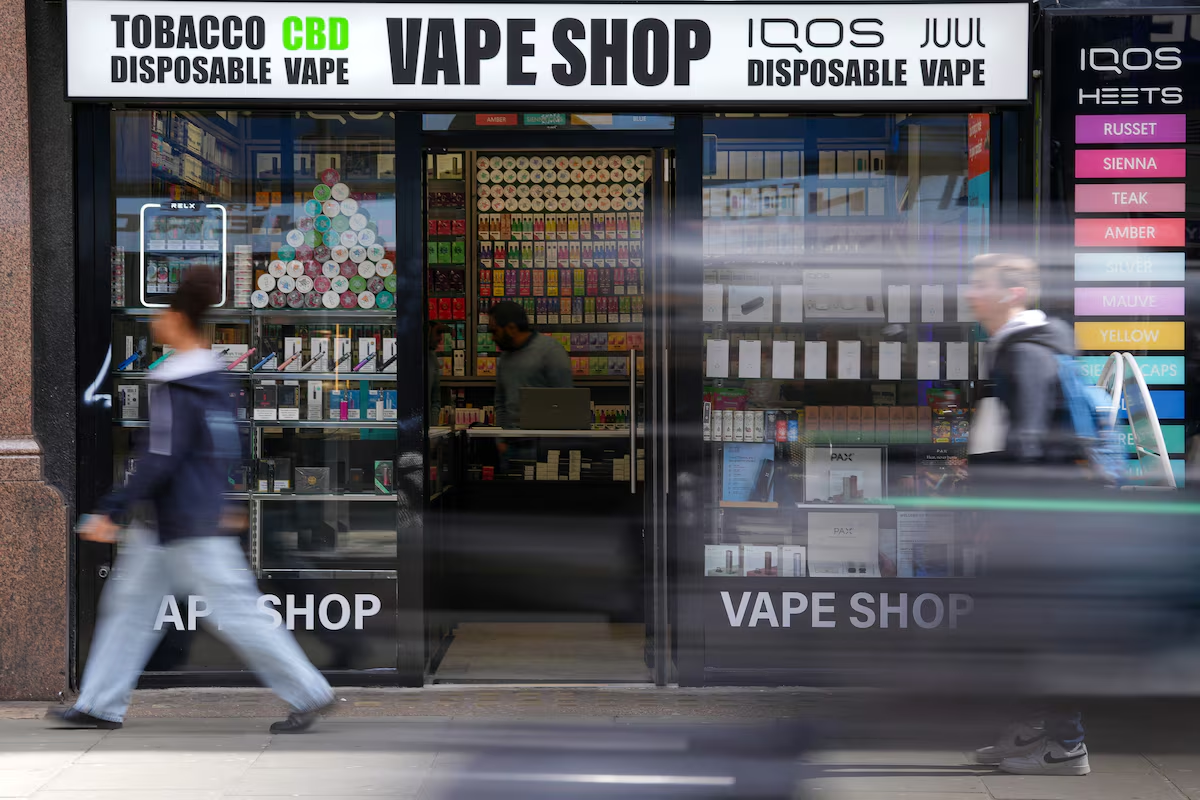
Following an investigation into the suspected illegal advertising, supply and manufacture of vaping substances, the TGA executed search warrants at two locations with assistance from Victoria Police. At the business’s retail premises, authorities seized disposable vaping devices, vaping accessories and vaping substances with an estimated street value of more than A$1 million, equivalent to approximately US$670,000.


A second warrant was executed at the residence of the company directors, resulting in the seizure of more than 15,000 vaping devices, along with a range of accessories and items used in the preparation and manufacture of vaping substances.


The TGA said the coordinated action demonstrated its continued enforcement of the Australian Government’s vaping reforms. Under current regulations, vaping products may only be supplied lawfully through Australian pharmacies for smoking cessation and the management of nicotine dependence, provided they meet TGA standards. It is unlawful for any retailer, including tobacconists and convenience stores, to sell vaping products.


Under Australian law, advertising of all vaping products is prohibited unless authorised. Non-compliance with vaping-related offences under the Therapeutic Goods Act 1989 can result in significant penalties.


Individuals may face penalties including imprisonment for up to seven years and fines of up to A$2.31 million, while corporations may be fined up to A$23.1 million per offence, according to the TGA.


Image source: TGA


We welcome news tips, article submissions, interview requests, or comments on this piece.

Please contact us at info@2firsts.com, or reach out to Alan Zhao, CEO of 2Firsts, on LinkedIn


Notice

1.  This article is intended solely for professional research purposes related to industry, technology, and policy. Any references to brands or products are made purely for objective description and do not constitute any form of endorsement, recommendation, or promotion by 2Firsts.

2.  The use of nicotine-containing products — including, but not limited to, cigarettes, e-cigarettes, nicotine pouchand heated tobacco products — carries significant health risks. Users are responsible for complying with all applicable laws and regulations in their respective jurisdictions.

3.  This article is not intended to serve as the basis for any investment decisions or financial advice. 2Firsts assumes no direct or indirect liability for any inaccuracies or errors in the content.

4.  Access to this article is strictly prohibited for individuals below the legal age in their jurisdiction.


Copyright


This article is either an original work created by 2Firsts or a reproduction from third-party sources with proper attribution. All copyrights and usage rights belong to 2Firsts or the original content provider. Unauthorized reproduction, distribution, or any other form of unauthorized use by any individual or organization is strictly prohibited. Violators will be held legally accountable.

For copyright-related inquiries, please contact: info@2firsts.com


AI Assistance Disclaimer


This article may have been enhanced using AI tools to improve translation and editorial efficiency. However, due to technical limitations, inaccuracies may occur. Readers are encouraged to refer to the cited sources for the most accurate information.

We welcome any corrections or feedback. Please contact us at: info@2firsts.com

Indonesia’s BNN Pushes Total Vape Ban as Health Ministry Tightens Tobacco Packaging Rules, Putting $40 Billion Industry at Risk
Indonesia is entering a new phase of debate over vape and tobacco regulation. The National Narcotics Agency (BNN) has proposed a total vape ban, with some lawmakers supporting stronger restrictions. At the same time, the Health Ministry is advancing tobacco and nicotine regulations under Government Regulation No. 28/2024, including measures such as plain packaging and product controls. Tobacco and vape industries have warned that tighter rules could affect a sector worth around $40 billion, supporting about 6 million jobs and contributing significant tax revenue.
Jul.27
South Korea’s New Vape Rules Raise Bar for E-Liquid Makers and China-Linked Supply Chains, Expert Says
South Korea’s new vape regulations are reshaping the e-liquid market, raising compliance requirements for manufacturers, retailers and overseas suppliers. In an interview with 2Firsts, Korean nicotine products specialist Sam Kim discusses licensing barriers, inventory impacts, China-linked supply chains, and emerging regulatory challenges around nicotine analogues, nicotine-free products and DIY mixing. The Korean case may offer broader insights as governments worldwide adapt to rapidly evolving nicotine products.
Jul.16
Philippine Customs Seizes $2.22 Million in Misdeclared Vape Products From China
The Philippine Bureau of Customs said it intercepted nine containers of misdeclared vape and vape-related products from China at the Manila International Container Port, with an estimated value of about ₱137 millionor, about $2.22 million.
Jul.10
UK Local Council Proposes £5 Refundable Deposit on Vape Devices
Norwich City Council is set to debate a proposed vape deposit scheme that would require consumers to pay an extra refundable £5 per device at purchase, with the money returned when the device is handed back, as recent recycling-facility fires, including a major Widnes blaze reportedly very likely caused by a vape, draw greater attention to the risks of improperly discarded lithium-battery devices.
Jul.01
Product | PMI Japan Launches SENTIA Passion Fruit Capsule, Expanding the IQOS ILUMA Flavor Portfolio
Philip Morris Japan (PM Japan) has introduced SENTIA Passion Fruit Capsule, a new tobacco stick designed for the IQOS ILUMA heated tobacco platform. Featuring a crush-activated capsule, the product combines menthol with passion fruit flavor to provide an additional flavor experience. The product launched in Japan from August 3, 2026, through IQOS official channels, convenience stores and tobacco retailers.
Aug.04
Global Tobacco Control Faces Regional Adaptation Test as Nicotine Markets Evolve, Asian Specialist Says
As e-cigarettes, heated tobacco products and nicotine pouches expand across global markets, a central question is gaining urgency: can tobacco control rely on a universal policy model? In an interview with 2Firsts, Asian public health and addiction medicine specialist Dr. Rashidi Mohamed bin Pakri Mohamed says Western experience remains relevant, but policies must be adapted to local culture, healthcare systems, enforcement capacity, illicit markets and clinical evidence.
Jul.08