Author/ Zheng Jiayu and Zhu Hongxu
On January 31st, Brian King, director of the Center for Tobacco Products (CTP) at the U.S. Food and Drug Administration (FDA), released a public letter summarizing the department's 2022 work and outlining their plans for 2023. In the letter, King reflected on the progress made in 2022 and provided insight for industry professionals. 2FIRSTS has compiled a summary of the FDA's 2022 work for reference.
Application for review prior to listing.
By September 9th, 2020, the FDA received nearly 6.7 million applications for electronic cigarette products and has completed the review process for 99% of them, rendering decisions. Only 23 tobacco flavored electronic cigarette products have been authorized, with 20 of them being authorized in 2022.
Furthermore, since April 2022, the FDA has received nearly one million applications for non-tobacco nicotine products, with the majority being for electronic cigarettes and vaping liquids. This is due to a new law passed by the US Congress in April 2022 which clarifies that the FDA has the authority to regulate any non-tobacco product containing nicotine or synthetic nicotine.
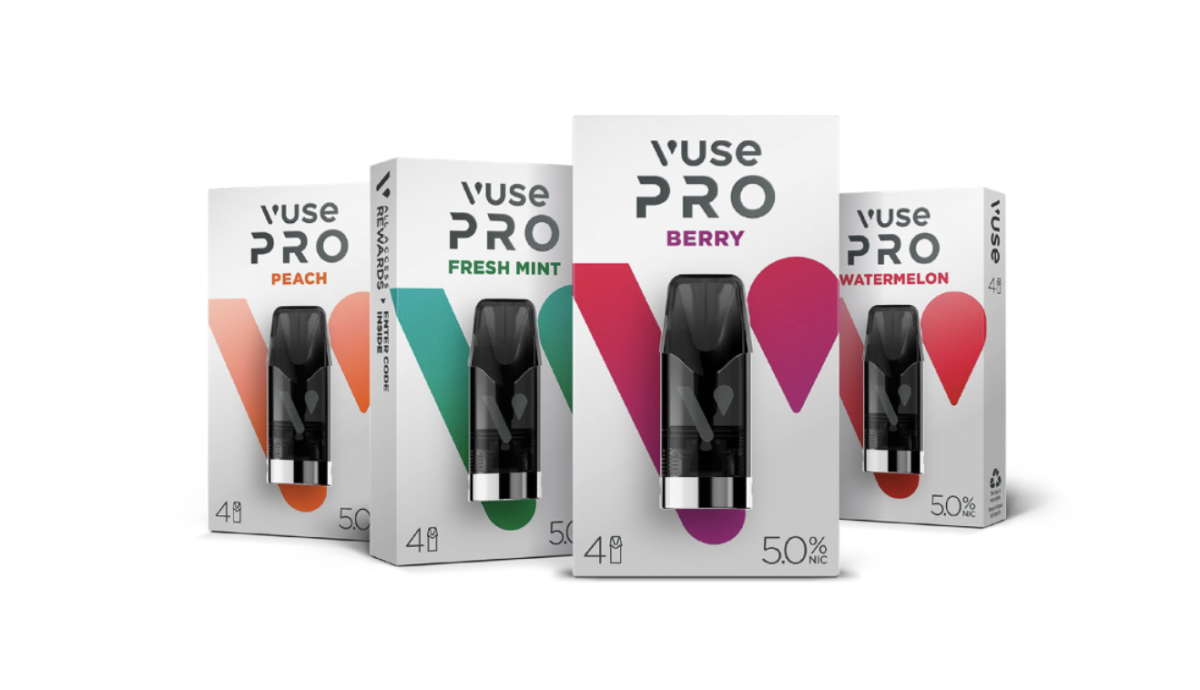
List of Authorized Pre-Market Products for 2021 that Passed PMTA Review | Source: FDA
List of products approved through PMTA in 2021 | Source: FDA
Law enforcement accountability" or "holding people accountable under the law
Warning: Since April 2022 when the Congress granted the FDA authority to regulate non-tobacco nicotine products, the FDA has issued over 75 warning letters to manufacturers, including those popular among young people. The FDA has also issued over 585 warning letters to retailers selling non-tobacco nicotine products to minors.
Enforcement: In October 2022, the US Department of Justice, on behalf of the FDA, filed permanent injunctions against six electronic cigarette manufacturers in federal court. In these cases, the defendants failed to submit pre-market applications for their products and continued to operate illegally even after receiving warning letters and notices of violations from the FDA. These six cases are the first of their kind in the US and the defendants have been ordered to cease manufacturing, selling, and distributing their products. The six companies are: Morin Enterprises Inc., Soul Vapor LLC, SuperVape’z LLC, Vapor Craft LLC, Lucky’s Vape & Smoke Shop, Seditious Vapors LLC.
Teenagers Protection
The FDA issued its first warning letter for underage protection in August 2022, targeting VPR Brands LP for selling illegally flavored nicotine gummies containing Blueraz, Cherry Bomb, and Pineapple, without submitting a PMTA.
In November 2022, the FDA issued warning letters to five companies: Wizvapor, R and M Vapes, Quawins, Ruthless Vapor, and Moti Global. The warnings were issued due to undisclosed reasons.
The aforementioned company has sold products without submitting them to the PMTA and without authorization.
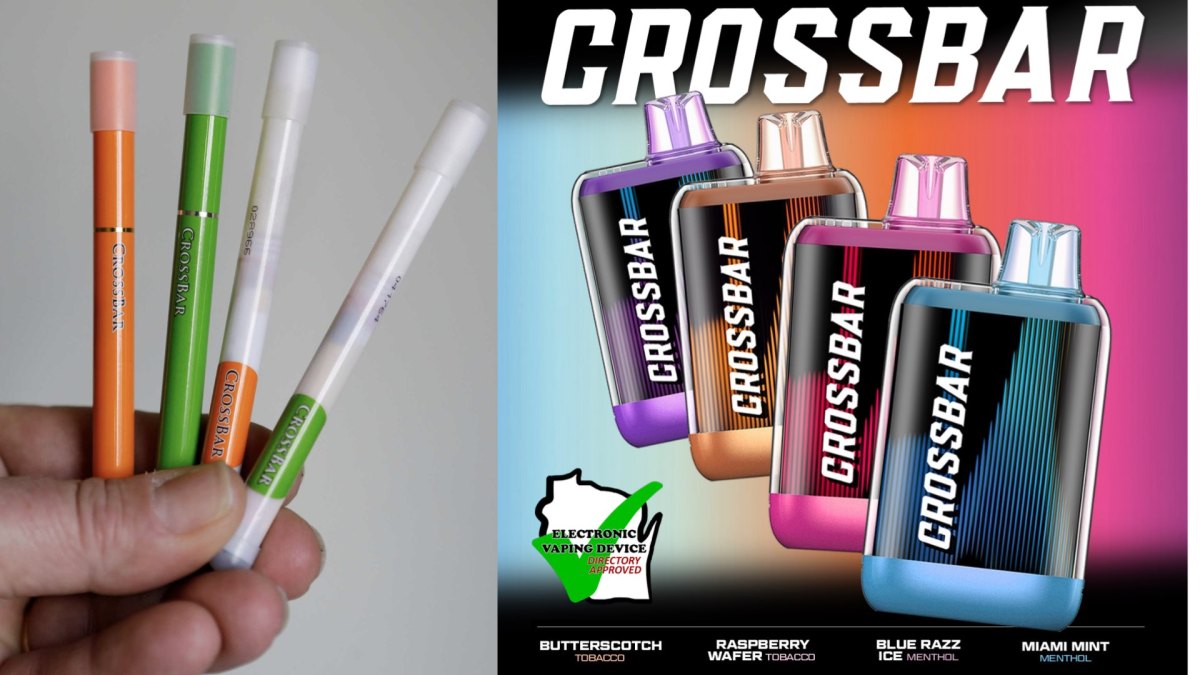
The packaging is designed to resemble toys (such as Nintendo game consoles, walkie-talkies, glow sticks, etc.) and food items (such as popsicles), with images of characters from movies, animation, and games to attract young people (such as The Simpsons, Splatoon, Minions, etc.).
Market education
In June 2022, the FDA launched a youth e-cigarette prevention campaign called "The Next Legend," aimed at educating underage Americans about the dangers of using e-cigarettes.
The FDA has also launched an electronic cigarette prevention and education center, which provides tools for educators to prevent and reduce the use of electronic cigarettes among middle and high school students. These tools can be used to have open conversations with students about using e-cigarettes.
The FDA has developed a series of free smoking cessation materials for adults, based on research into tobacco and non-tobacco product users. These materials aim to encourage adults to break their dependency on nicotine.
Enforcement hits a snag as items are disposed of in a state of regulatory limbo.
In 2022, the FDA and Department of Justice (DOJ) carried out multiple enforcement actions, representing the formal execution of regulations and putting an end to the lack of enforcement seen in 2021. This also means that any products not authorized through PMTA are now at risk of being charged at any time.
In light of the specific warnings from the FDA and the DOJ's prosecution, it has been noted that disposable e-cigarettes have not been included in the FDA's flavor ban regulations (which apply only to open and refillable systems). As such, they have not been used as evidence in warnings or prosecutions, nor have they been intentionally singled out for mention.
Protecting minors: The red line should not be crossed.
Teenage protection is the bottom line of "political correctness" regulated by the FDA and is set to become even stricter in the electronic cigarette industry, which is popular among young people. The marketing strategies of fast-moving consumer goods that use movie, television, and animation themes to attract customers will soon disappear from the American electronic cigarette market.
Considering the extremely slow review speed and limited authorization quantity of PMTA by the FDA, a large portion of the electronic cigarette market in the United States still belongs to the gray market. Therefore, the expansion of various electronic cigarette brands in the United States may depend more on state governments and state legislatures' legislation and regulation of electronic cigarettes. As a federal agency, the FDA can require state governments to cooperate with law enforcement in maintaining public health and safety under federal law.
FDA Public Education Public Service Advertisement | Source: FDA
Disclaimer
This article is provided solely for professional research, industry discussion, and informational purposes. Any references to brands, companies, products, technologies, or policies are made for factual reporting and analytical purposes only, and do not constitute endorsement, recommendation, promotion, or advertising by 2Firsts.
Nicotine-containing products, including but not limited to cigarettes, e-cigarettes, heated tobacco products, and nicotine pouches, carry significant health risks. Readers are responsible for complying with all applicable laws and regulations in their respective jurisdictions, including age restrictions and access limitations.
The information contained in this article should not be regarded as investment, legal, medical, regulatory, or commercial advice. While 2Firsts strives to ensure the accuracy and reliability of its content, it does not assume liability for any direct or indirect loss arising from errors, omissions, inaccuracies, or reliance on the information contained herein.
This article is not intended for individuals below the legal age for accessing tobacco or nicotine-related information in their jurisdiction.
Copyright Notice
This article is either original content produced by 2Firsts or content reproduced, translated, summarized, or adapted from third-party sources with attribution where applicable. The intellectual property rights of the original content remain with 2Firsts or the respective original rights holders.
No individual or organization may copy, reproduce, distribute, republish, modify, translate, or otherwise use this content without prior authorization. Any unauthorized use may result in legal action.
For copyright-related inquiries, corrections, or removal requests, please contact: info@2firsts.com.
AI-Assisted Translation and Editing Notice
Portions of this article may have been translated, edited, or reviewed with the assistance of artificial intelligence tools to improve efficiency and readability. Due to the limitations of AI-assisted translation and editing, discrepancies, omissions, or inaccuracies may exist when compared with the original source.
Where applicable, readers are advised to refer to the original source for the most complete and accurate information. If you identify any errors or believe that any content infringes upon your rights, please contact us at info@2firsts.com, and we will review and address the matter promptly.