Key Points:
· Background and Goals
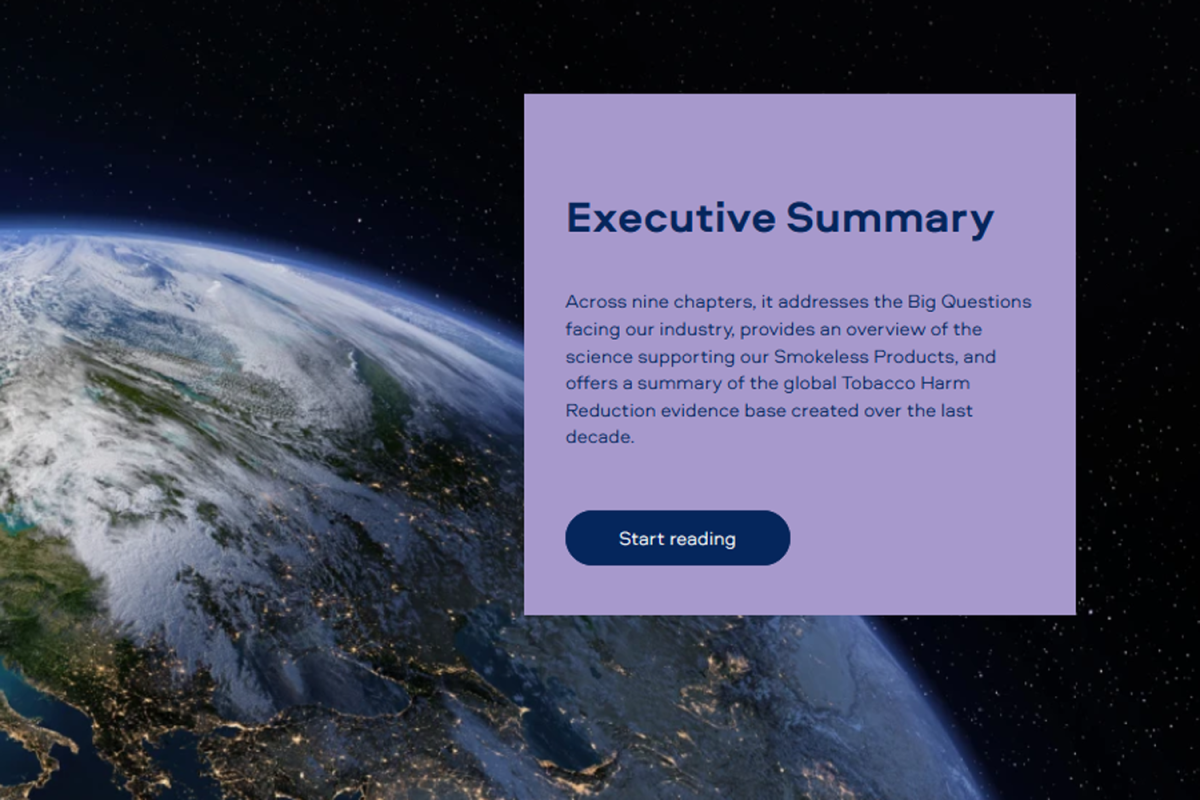
Launched in September 2024, BAT’s Omni platform aims to promote tobacco harm reduction (THR), guiding smokers toward less harmful alternatives and supporting the vision of a “smokeless future.”
· Main Content
Omni includes not only a website and articles but also a book, global events, and the dedicated podcast The Smokeless Word, targeting scientists, regulators, and investors.
· Core Questions
Omni addresses critical questions related to THR and nicotine (such as the nature of nicotine, risks of smokeless products, gateway concerns, and the role of flavors), using the latest scientific evidence to dispel misconceptions.
· Interaction and Diversity
Emphasizes two-way dialogue, welcomes different perspectives, and plans to open to external scientific contributions in the future.
· Initial Impact
Over 380,000 engagements on LinkedIn and website registrations exceeding internal targets demonstrate strong industry and stakeholder interest.
· Future Metrics
Success is measured not only by data but also by whether it drives perception shifts, encourages support for harm reduction strategies, and helps gradually phase out cigarettes.
[Taco Tuinstra, 2Firsts] Scientists have known how to reduce the health risks of tobacco consumption since at least 1976, when British psychiatrist Michael Russell made his now-famous observation “People smoke for the nicotine, but they die from the tar.” The difficulty, of course, was that until well into the first decade of the new millennium, there was no technology to administer nicotine (an addictive but otherwise relatively benign substance) without combustion (the main cause of smoking-related disease) in a way that smokers enjoyed.
The arrival of electronic nicotine delivery systems, such as e-cigarettes and heat-not-burn products, changed everything. By separating nicotine from its most harmful delivery method—smoke—it became possible to offer the compound’s stimulating and relaxing effects at a fraction of the risks presented by cigarettes.

Confronting Misinformation
Yet despite the technological advances, tobacco harm reduction (THR) continues to face stiff resistance in many quarters, including among scientists and regulators. The leading global health body, the World Health Organization, unhelpfully dismisses THR as an industry ploy to hook the next generation of nicotine users. Such opposition is grounded in a combination of misinformation and enduring mistrust of the tobacco industry, which downplayed the health risks of smoking until well into the 20th century.
Eager to overcome such misperceptions, British American Tobacco in September 2024 launched Omni, an evidence-based resource that shows how science and innovation can converge to achieve the smokeless world that BAT strives for under its “A Better Tomorrow” slogan. By nudging smokers from deadly cigarettes to less harmful alternatives, the company aspires to considerably lessen the health impact of its business.
To be successful, however, it needs the support of regulators, healthcare professionals and society at large. 2Firsts spoke with Scott Brodie, head of strategic and digital communications at BAT, to learn how Omni can help boost THR.
Purpose and Vision
2Firsts: What motivated BAT to launch Omni? What are the platform’s goals and long-term vision?
Scott Brodie: Omni is a bold step toward a smokeless future. It’s more than a platform, it’s a call to action for scientists, public health authorities, regulators, policy makers and investors to embrace science-backed harm reduction.
BAT launched Omni as a cornerstone of its ambition to create a smokeless world. It is designed to serve multiple purposes: as a compendium of information on THR, a manifesto for change in public health approaches and a mandate for action.
The long-term vision of Omni is to promote THR by fostering genuine, evidence-based dialogue among scientists, public health authorities, regulators, policymakers and investors. By doing so, Omni aims to accelerate the adoption of effective THR regulatory strategies and frameworks.
Expanding Ecosystem
2Firsts: What does Omni include beyond the website and its articles? Are there other components, such as events or forums?
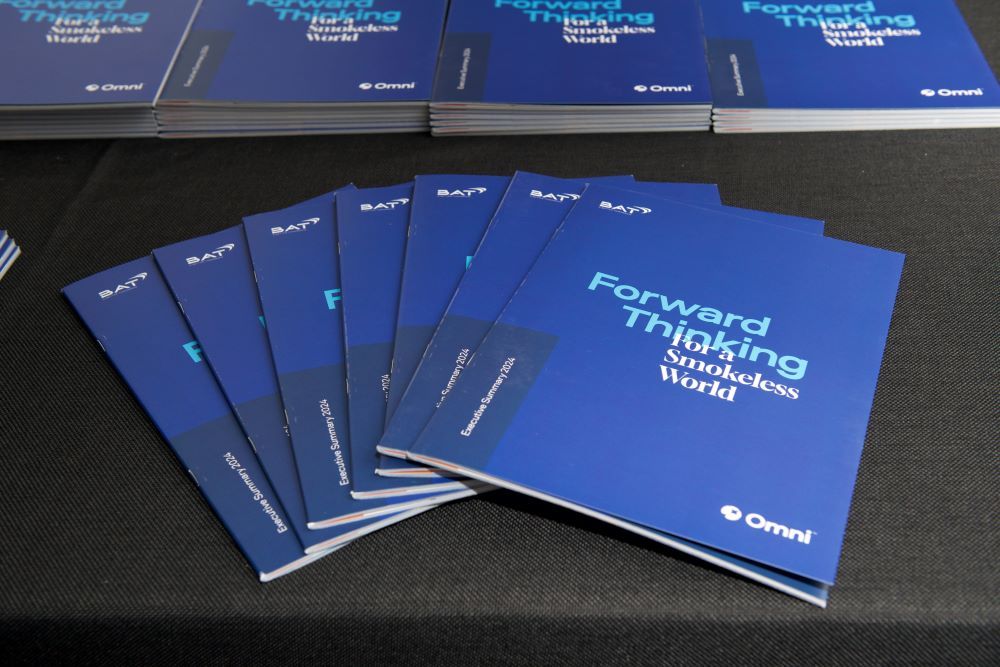
Brodie: Beyond its online presence, Omni includes a published book which has been involved in major events including BAT’s inaugural Transformation Forum in London in September 2024.
Senior BAT executives have also presented Omni at international forums including the Japan Medical Conference on Addiction, CORESTA, the Global Tobacco and Nicotine Forum, the Aspen Ideas Festival and the Toronto Global Forum.
In addition, Omni has grown into the digital media space with a dedicated podcast: “The Smokeless Word.” Hosted by Kingsley Wheaton, BAT’s chief corporate officer, the podcast is a thought-provoking new series that seeks to open up reflective and open conversations with a wide range of guests—including cultural commentators, policy thinkers and creative minds.
Inspired by themes from Omni, the podcast offers a broader take on issues at the intersection of science, transformation, regulation, culture and innovation.
Communicating THR
2Firsts: How does BAT use Omni to advance THR communication and engagement?
Brodie: BAT uses Omni to advance THR communication among scientists, public health authorities, regulators, policymakers and investors through a comprehensive executive thought leadership program.
This involves creating a scientific resource base, engaging in media interviews, and participating in industry and scientific events to promote understanding and awareness of THR amongst the Omni-intended audience.
Addressing Misconceptions
2Firsts: What are the most important misconceptions about nicotine and potentially reduced-risk products, and how does Omni address them?
Brodie: Omni addresses a number of misperceptions about THR and misperceptions about nicotine and smokeless products among regulators and policymakers. There are 10 big questions addressed withing Omni that we believe are some of the most pressing:
1. What is THR?
2. What are the desired outcomes of THR?
3. What current progress is being made on global THR?
4. Why is THR Important to BAT?
5. What is BAT doing to address underage access to tobacco and nicotine products?
6. What is the risk of using smokeless products compared to smoking?
7. What is nicotine?
8. Are smokeless products a gateway to cigarette smoking?
9. What is the role of flavors in smokeless products and THR?
10. Are smokeless products associated with reductions in smoking?
Omni aims to improve perceptions on these issues by providing transparent, evidence-based information drawn from the latest and most sophisticated scientific research. It presents balanced data on relative risks, regulatory perspectives and real-world outcomes to improve attitudes and reduce misinformation amongst scientists, public health authorities, regulators, policymakers and investors.
Creating a Two-Way Conversation
2Firsts: In what ways does BAT plan to ensure that Omni becomes a truly interactive, two-way platform rather than just a corporate communication tool?
Brodie: BAT plans to make Omni a dynamic, interactive platform by fostering active dialogue and engagement with relevant key stakeholders, using the platform as a means for learning, and accelerating regulatory strategies through meaningful engagements in 30 key markets worldwide.
This approach ensures Omni is not just a one-way communication channel but a living ecosystem that supports ongoing conversation and meaningful dialogue.
Welcoming Diverging Views
2Firsts: Have you received contributions from people who disagree with BAT’s positions, or has involvement been limited to stakeholders already convinced of the THR case? What steps have you taken to encourage submissions of “dissenting” views?
Brodie: Yes—and we welcome them. Omni is designed to host diverse perspectives, grounded in peer-reviewed science and open conversation.
The scientific rigor behind Omni has been designed to support constructive discussions and help foster dialogue among all stakeholders, including those with conflicting opinions to those held at BAT.
Gauging Impact and Reach
2Firsts: Do you have any metrics or user data that reflect the platform’s impact or reach so far?
Brodie: Since the launch in September 2024, the Omni platform has been described as the most impactful corporate campaign in BAT's history.
Through a targeted approach aimed at scientists, public health authorities, regulators, policy makers and investors, Omni has achieved impressive engagement on social media, including 380,000 engagements on LinkedIn. Registrations on the website have also exceeded the targets that were set internally. Combined, we believe the performance across social media and the website indicate strong stakeholder interaction and interest in Omni-related content.
Plans for Future Collaboration
2Firsts: As a BAT-backed initiative, is all content managed by BAT internally? Will Omni eventually become an open platform where other scientists can contribute?
Brodie: Currently, the Omni program is managed internally by BAT, ensuring a rigorous approach and alignment with the initiative’s mission. However, BAT envisions Omni evolving into a more open and collaborative platform for stakeholders over time.
This future direction aims to enhance transparency, diversify viewpoints and strengthen Omni’s role as a resource and knowledge sharing platform for the theory of THR.


Leadership and Organizational Support
2Firsts: Which team or division within BAT is responsible for running Omni?
Brodie: The responsibility for running Omni within BAT is an organization-wide effort, in particular Kingsley Wheaton and Dr James Murphy, director of research and science, who have championed Omni. This approach reflects the company's broad commitment to THR and innovation—from all aspects of business.
At the heart of this company-wide effort, Omni is primarily driven by BAT Science. BAT Science plays a leading role in generating the scientific evidence that underpins our approach to THR, guiding the development and communication of evidence-based insights that support the Omni platform.
Working closely with other functions across BAT—including regulatory, communications and external affairs—BAT Science ensures that Omni is grounded in robust scientific understanding and contributes meaningfully to the company’s THR objectives, including the transition to a smokeless world.
Measuring Success: What’s Next for Omni?
2Firsts: What does BAT see as the key indicators of success for Omni in driving THR?
Brodie: BAT’s primary goal for Omni is to engage in dialogue with relevant stakeholders—scientists, public health authorities, regulators, policymakers and investors—and encourage them to explore our resource and recognize the benefits of embracing the THR thesis.
Key indicators of success for Omni include active engagement and dialogue initiated by relevant stakeholders who wish to review the latest scientific evidence and participate in meaningful conversations around THR; and meaningful shifts in perception among regulators, policymakers and policy as a result of informed discussions with stakeholders, leading to greater acceptance and support for harm reduction strategies.
Ultimately, success is measured by Omni becoming a go-to resource that fosters open, evidence-based dialogue and helps accelerate the transition to a smokeless world, where cigarettes become a thing of the past.
We welcome news tips, article submissions, interview requests, or comments on this piece.
Please contact us at info@2firsts.com, or reach out to Alan Zhao, CEO of 2Firsts, on LinkedIn
Notice
1. This article is intended solely for professional research purposes related to industry, technology, and policy. Any references to brands or products are made purely for objective description and do not constitute any form of endorsement, recommendation, or promotion by 2Firsts.
2. The use of nicotine-containing products — including, but not limited to, cigarettes, e-cigarettes, nicotine pouchand heated tobacco products — carries significant health risks. Users are responsible for complying with all applicable laws and regulations in their respective jurisdictions.
3. This article is not intended to serve as the basis for any investment decisions or financial advice. 2Firsts assumes no direct or indirect liability for any inaccuracies or errors in the content.
4. Access to this article is strictly prohibited for individuals below the legal age in their jurisdiction.
Copyright
This article is either an original work created by 2Firsts or a reproduction from third-party sources with proper attribution. All copyrights and usage rights belong to 2Firsts or the original content provider. Unauthorized reproduction, distribution, or any other form of unauthorized use by any individual or organization is strictly prohibited. Violators will be held legally accountable.
For copyright-related inquiries, please contact: info@2firsts.com
AI Assistance Disclaimer
This article may have been enhanced using AI tools to improve translation and editorial efficiency. However, due to technical limitations, inaccuracies may occur. Readers are encouraged to refer to the cited sources for the most accurate information.
We welcome any corrections or feedback. Please contact us at: info@2firsts.com