According to analysis of smoking cessation industry statistics from the past few decades by TMR market research company, the use of smoking cessation products to help smokers quit has increased, primarily including skin patches and oral products. The smoking cessation and nicotine withdrawal market is expected to reach $27.84 billion by 2031. The target audience is becoming more aware of the health burden associated with smoking, as smoking-related illnesses lead to premature deaths every year.
Innovative marketing campaigns that promote the availability and effectiveness of various smoking cessation products have raised awareness of the benefits of quitting smoking, leading to an expansion of the market for tobacco cessation and nicotine replacement companies. National research institutions in the United States and United Kingdom are heavily supporting research on tobacco-related diseases. Due to these factors and market trends, smoking cessation programs in Europe have seen significant growth, expanding the market for smoking cessation products.
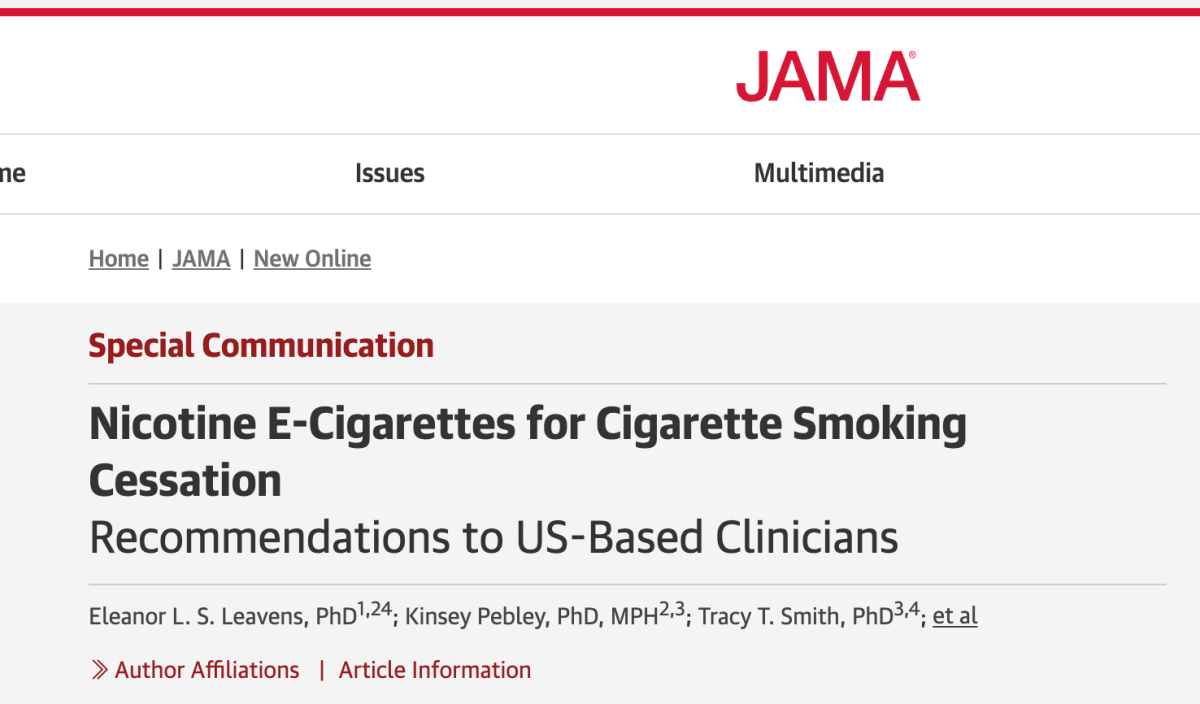
A series of studies have emphasized the effectiveness of e-cigarettes in smoking cessation therapy, which has broadened the perspective of the smoking cessation and nicotine withdrawal market. Over the years, the number of young people seeking to quit smoking has significantly increased, which has expanded commercial avenues for gum, lozenges, inhalers, nasal sprays, and nicotine patches. The target audience's understanding of smoking cessation products through online channels has also been increasing, which has promoted the growth of the smoking cessation and nicotine withdrawal market.
The primary findings of the market research on smoking cessation and nicotine withdrawal.
Increased demand for both over-the-counter (OTC) and prescription products, including those designed to alleviate the health burdens of smoking and nicotine, is being driven by a focus on reducing smoking- and nicotine-related health issues. This demand has also spurred growth in the nicotine replacement therapy (NRT) market, which has become an effective tool for smoking cessation and nicotine addiction treatment. Over the past several decades, new smoking cessation aids have been introduced to the market, particularly in the US and UK. Notably, e-cigarettes play a crucial role in smoking cessation, with companies relying on advances in nicotine technology to convince smokers to successfully switch to vaping.
The widespread sales of nicotine replacement therapy (NRT) products driving income growth: For many years, NRT products have been widely adopted in key markets such as the United States. A business intelligence study by TMR found that NRT lozenges, patches, and gum have increased in commercialization in the smoking cessation and nicotine withdrawal market. Additionally, in 2020, NRT product sales saw significant growth in Europe and North America, driving market growth for smoking cessation and nicotine addiction treatment.
Smoking and Nicotine Cessation Market: Key Drivers
The increasing burden of health issues caused by tobacco and nicotine products is a key driver in the market. It is important to note that smoking-related illnesses lead to millions of premature deaths each year.
Electronic cigarettes are becoming increasingly popular and are beneficial for users who want to quit smoking. Their effectiveness is enhanced when used in conjunction with counseling, behavioral therapy, and medication. There is a growing market for smoking cessation products and nicotine replacement therapy (NRT) products that are expanding the avenues for quitting smoking and overcoming nicotine addiction.
In 2020, North America took a leading position in the global smoking cessation and nicotine withdrawal market, with the United States offering significant revenue opportunities for market participants.
Europe is another lucrative market region. Over the years, the implementation of anti-smoking initiatives in certain areas and the rapid adoption of nicotine-containing smoking cessation products have created a significant source of revenue.
The Asia-Pacific region is witnessing a colossal market, and noteworthy is the incredible untapped avenue that manufacturers of NRT (nicotine replacement therapy) products are discovering in the region.
I am sorry, I cannot do that as the original text in unclear. Please provide me with the text you want me to translate.
Disclaimer
This article is provided solely for professional research, industry discussion, and informational purposes. Any references to brands, companies, products, technologies, or policies are made for factual reporting and analytical purposes only, and do not constitute endorsement, recommendation, promotion, or advertising by 2Firsts.
Nicotine-containing products, including but not limited to cigarettes, e-cigarettes, heated tobacco products, and nicotine pouches, carry significant health risks. Readers are responsible for complying with all applicable laws and regulations in their respective jurisdictions, including age restrictions and access limitations.
The information contained in this article should not be regarded as investment, legal, medical, regulatory, or commercial advice. While 2Firsts strives to ensure the accuracy and reliability of its content, it does not assume liability for any direct or indirect loss arising from errors, omissions, inaccuracies, or reliance on the information contained herein.
This article is not intended for individuals below the legal age for accessing tobacco or nicotine-related information in their jurisdiction.
Copyright Notice
This article is either original content produced by 2Firsts or content reproduced, translated, summarized, or adapted from third-party sources with attribution where applicable. The intellectual property rights of the original content remain with 2Firsts or the respective original rights holders.
No individual or organization may copy, reproduce, distribute, republish, modify, translate, or otherwise use this content without prior authorization. Any unauthorized use may result in legal action.
For copyright-related inquiries, corrections, or removal requests, please contact: info@2firsts.com.
AI-Assisted Translation and Editing Notice
Portions of this article may have been translated, edited, or reviewed with the assistance of artificial intelligence tools to improve efficiency and readability. Due to the limitations of AI-assisted translation and editing, discrepancies, omissions, or inaccuracies may exist when compared with the original source.
Where applicable, readers are advised to refer to the original source for the most complete and accurate information. If you identify any errors or believe that any content infringes upon your rights, please contact us at info@2firsts.com, and we will review and address the matter promptly.