Key Points
- Haypp released its UK Nicotine Report 2026 based on consumer survey data and platform sales.
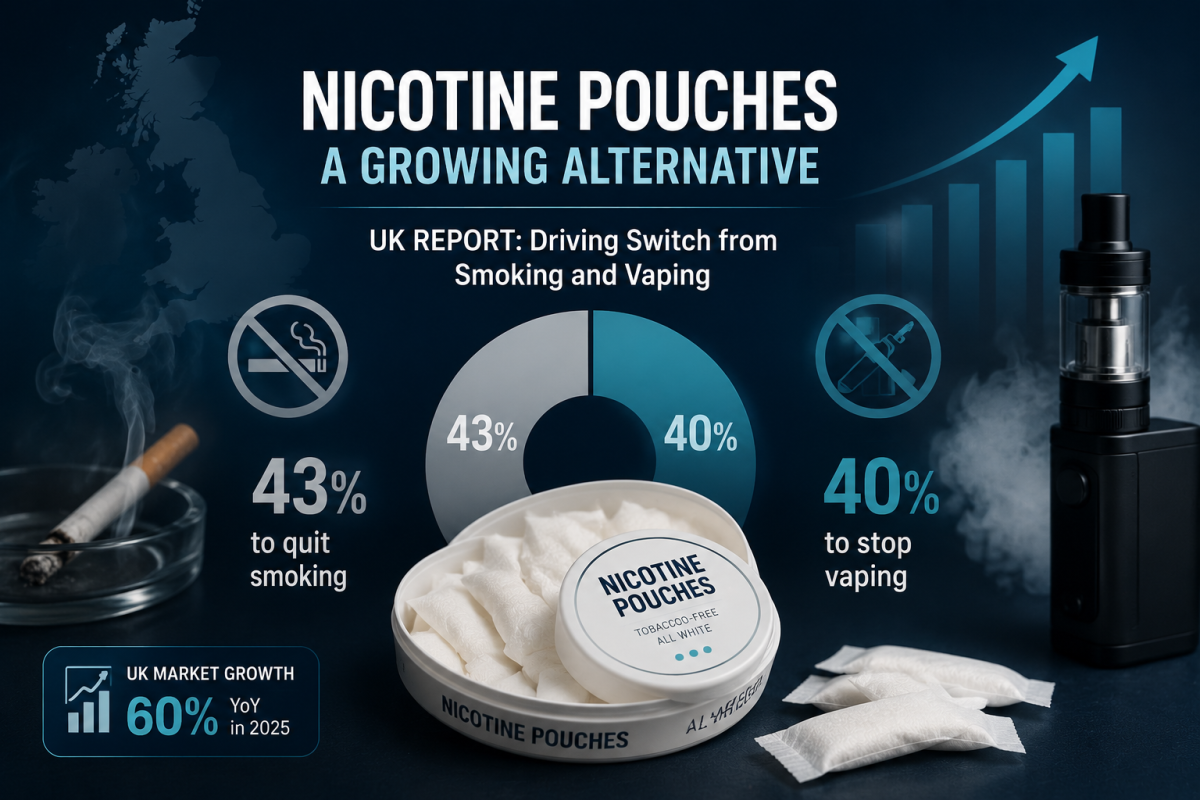
- UK nicotine pouch sales across Haypp and Northerner grew 60% year over year in 2025.
- Forty percent of respondents said they started using nicotine pouches to quit vaping, compared with 43% who adopted them to quit smoking.
- The findings suggest nicotine pouches are expanding beyond smoking alternatives and are increasingly attracting former vape users.
- The trend emerges as the UK tightens vape regulation while establishing a dedicated regulatory framework for nicotine pouches.
2Firsts
July 1, 2026
An increasing number of UK consumers are turning to nicotine pouches after using e-cigarettes, suggesting the products are evolving beyond their traditional role as alternatives to cigarettes.
According to Haypp’s UK Nicotine Report 2026, 40% of surveyed nicotine pouch users said they adopted the products to stop vaping, nearly matching the 43% who reported using them to quit smoking.

UK Nicotine Pouch Market Continues Rapid Growth
The report, released by online nicotine pouch retailer Haypp, combines a survey of 2,082 UK nicotine pouch consumers with purchasing data from more than 50,000 UK customers across Haypp and Northerner.
Sales on the two platforms increased 60% year over year in 2025 and have expanded roughly tenfold since 2021, reflecting continued momentum in the UK’s nicotine pouch market.
The report also points to rising female participation, stronger brand loyalty and increasing daily use, indicating that the category is entering a more mature phase of development.
Vape-to-Pouch Emerges as the Report’s Strongest Signal
Beyond overall market growth, the report highlights a notable shift in consumer transition patterns.
While 43% of respondents said they began using nicotine pouches to quit smoking, 40% reported adopting the products to quit vaping. Another 15% said they intended to move away from both cigarettes and vaping products.
The findings suggest nicotine pouches are no longer viewed solely as smoking alternatives. For a growing share of adult consumers, they are also becoming an alternative to inhaled nicotine products.
Although the survey does not establish a direct causal relationship between vaping regulations and consumer behavior, it indicates that more adult nicotine users are choosing nicotine pouches as a non-inhalable nicotine option.
Regulatory Changes May Shape Future Consumer Transitions
The timing of this shift is notable.
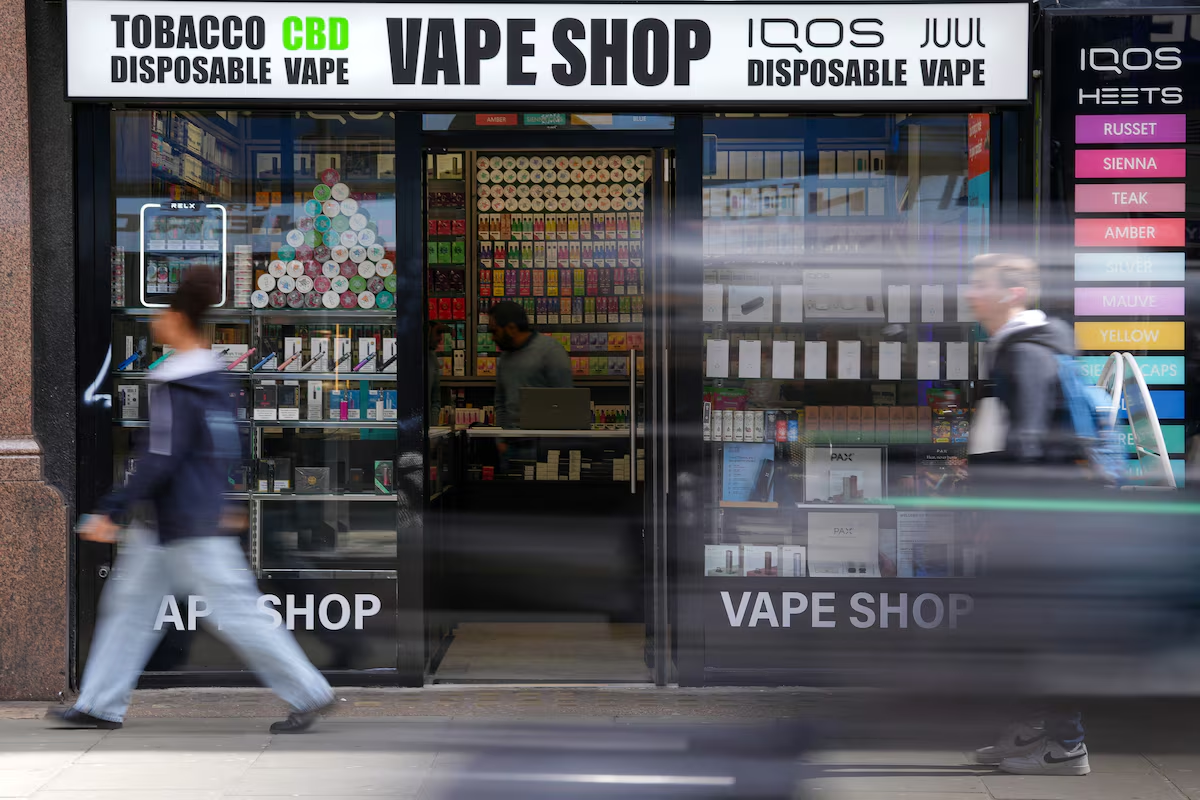
The UK has continued advancing the Tobacco and Vapes Bill while implementing a nationwide disposable vape ban, reshaping the regulatory environment for vaping products. At the same time, nicotine pouches are moving toward a dedicated regulatory framework.
Haypp supports introducing standards covering product safety, age restrictions and market regulation, while cautioning that overly restrictive limits on nicotine strength or flavors could encourage illicit trade.
For the industry, the more important question may no longer be how fast nicotine pouches grow, but whether they will increasingly absorb demand from adult vape users.
As the UK’s nicotine regulatory landscape continues to evolve, whether the emerging vape-to-pouch transition develops into a long-term consumer trend remains a key development to watch.
Follow 2Firsts for global coverage of vaping, nicotine pouches, heated tobacco products, regulation, and industry developments.
Cover Image generated by AI