Health Secretary Doubts HK Lifting E-cig Embargo

Regulations by Ashe Wong; Ellesmere Zhu
May.29.2023
Health Secretary Doubts HK Lifting E-cig Embargo
Sophia Chan Siu-chee, former Secretary for Food and Health in Hong Kong, warns against the risk of re-exporting e-cigarettes through the region and advocates for increased tobacco taxes and expanded smoke-free areas.

Sophia Chan Siu-chee, former Secretary for Food and Health in Hong Kong, and her successor Lo Chung-mau, have both voiced concerns over the re-exportation of e-cigarettes through Hong Kong, warning that this could hinder the region's tobacco control efforts, reports the standard HK (thestandard.com.hk). Chan suggests that the territory could benefit from higher tobacco taxes and a greater number of no-smoking areas.


The current smoking rate in Hong Kong is 9.5%, a significant decrease from the 23% rate in the 1980s due to tobacco-control policies. However, Lo notes that the tax on a pack of cigarettes in the region falls below the 75% price proportion recommended by the World Health Organization, indicating room for an increase.


In February, the cost of a pack of 20 cigarettes rose by 30%, requiring smokers to pay an additional HK$12. The government aims to prevent citizens from smoking by regulating the tobacco supply and decreasing the promotion of tobacco sales. They will launch a public consultation next month to address tobacco-related issues.


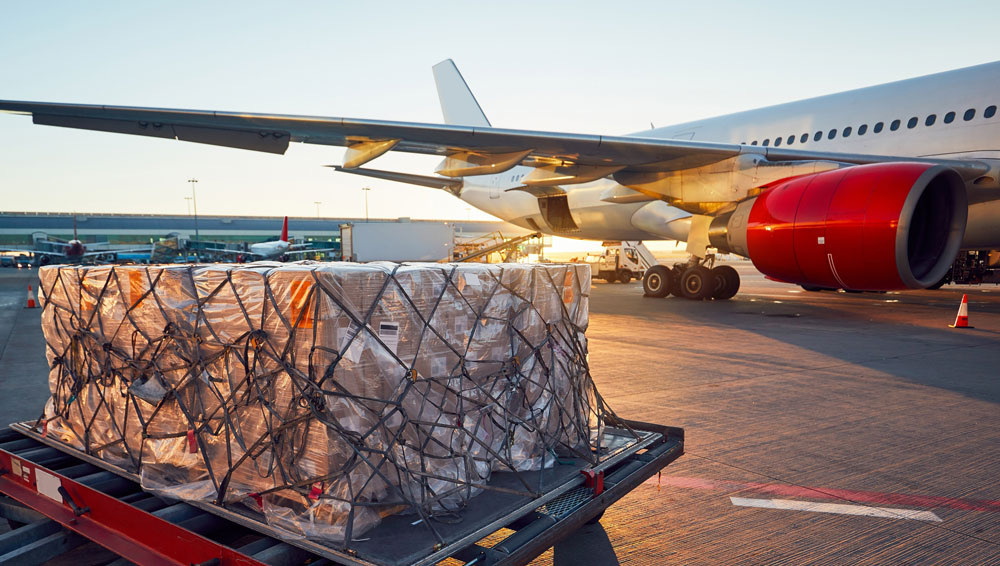
Since April last year, the import, manufacture, sale, and possession of e-cigarettes have been prohibited. However, re-exportation through air cargo is exempted in an effort to support the logistics sector, a move Chan believes could undermine efforts to ban these products.


Government statistics reveal that about 70% of smokers in Hong Kong have never attempted to quit, and around one-third of primary school children are exposed to second-hand smoke at home.


Thumbnail Source: GOPET-TRANS

*The content of this article is written after the extraction, compilation and integration of multiple information for exchange and learning purposes. The copyright of the summary information still belongs to the original article and its author. If any infringement is found, please contact us to delete it. 

From Nicotine Salts to Cocrystals: China’s Shenzhen Huabao institute explores a more stable form for sustained nicotine release
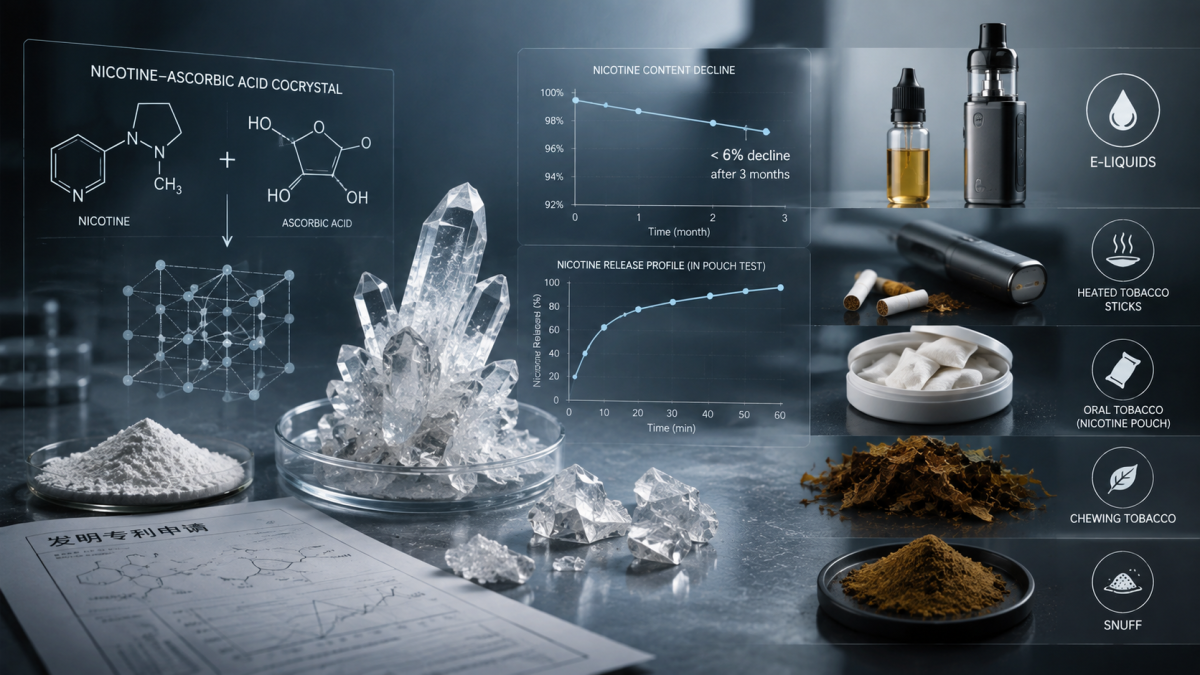
China-based Shenzhen Huabao Collaborative Innovation Technology Research Institute Co., Ltd. has filed a patent application for a nicotine-ascorbic acid cocrystal, exploring a new solid-state form of nicotine. The patent proposes applications across e-liquids, heated tobacco sticks, oral tobacco, chewing tobacco and snuff. In nicotine pouch tests disclosed in the filing, cocrystal formulations showed less than a 6% decline in nicotine content after three months of accelerated storage and a release profile combining early-stage release with sustained delivery over 60 minutes. The filing reflects exploration of nicotine forms beyond conventional nicotine base and nicotine salts.
Aug.13
China’s HTP Exports Fell 14.3% in H1 2026 as Russia and Belarus Accounted for 76% Lead
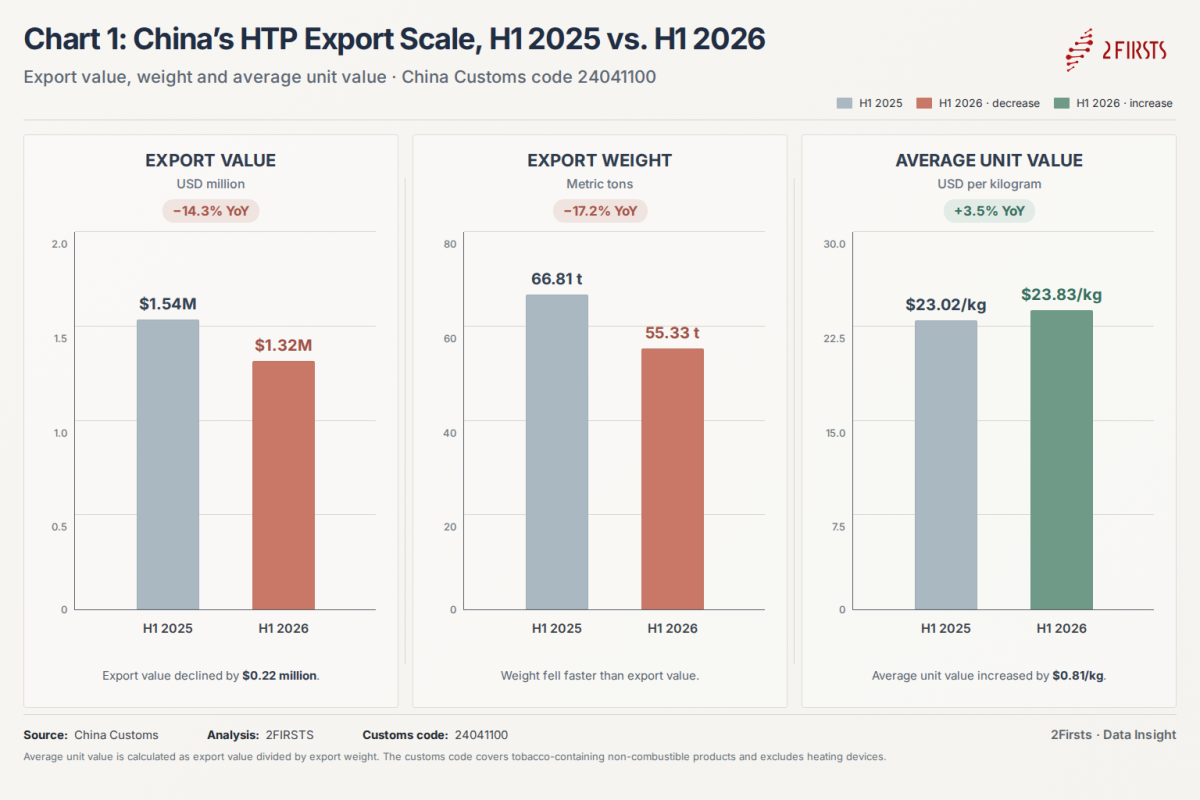
In H1 2026, China’s HS 24041100 exports stood at $1.32 million, down 14.3% YoY, with volume falling 17.2% to 55.33 tons. Market distribution shifted drastically amid overall export drops. Exports to Russia and Belarus totaled $1 million, taking 76.0% of all shipments versus 29.5% in H1 2025. Belarus became the top destination with export value jumping 177.5%, while the Philippines, Singapore and Indonesia’s combined share slumped from 49.3% to 11.2%.Domestically, Yunnan led exporter registrations; Jiangsu and Shanghai were key suppliers, yet Anhui and Sichuan had no exports. Heavy concentration means order or declaration changes for Russia/Belarus greatly affect national aggregate data. The data shows customs entry points (not end markets), covering tobacco consumables only, excluding heating equipment and the complete HTP supply chain.
Aug.11