India: Cigarette Firms Shift to Biodegradable Films

Innovation
Jul.05.2022

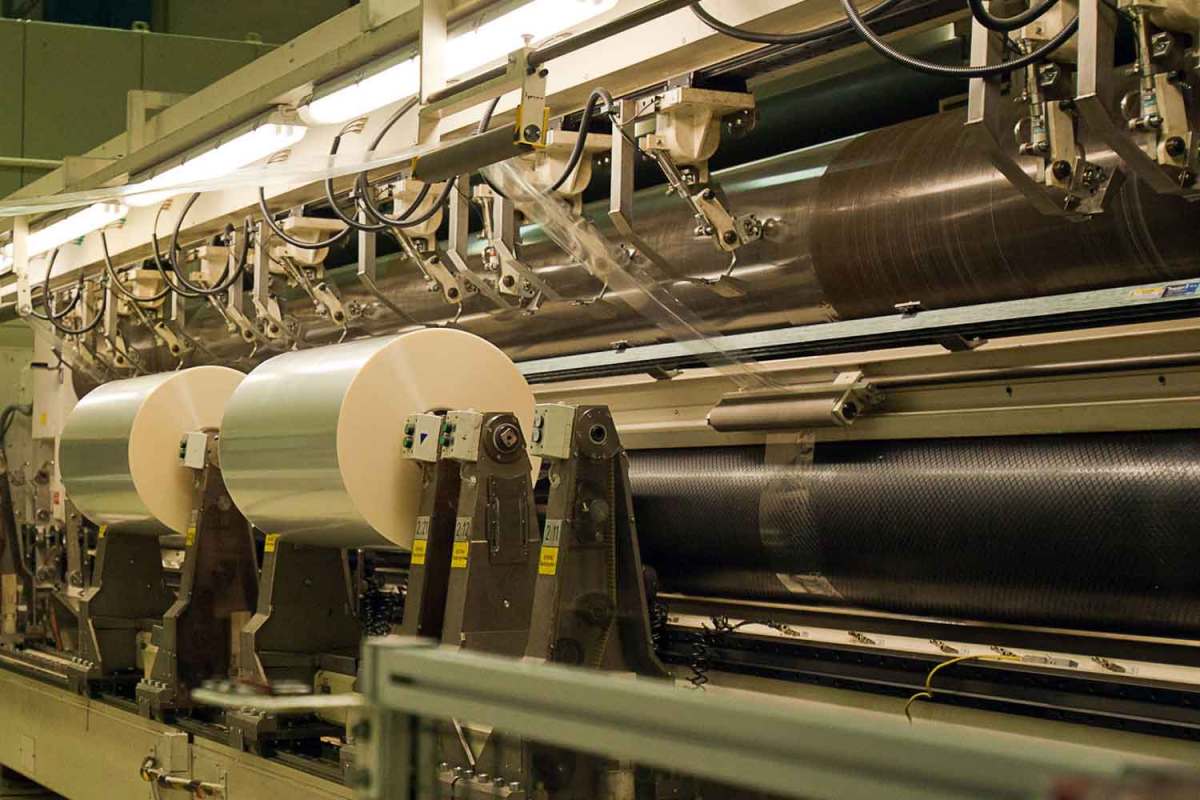
Cigarette makers have shifted from regular plastic wrapping to biodegradable wrapping for cigarette packs, well ahead of the India’s single-use plastic ban, reports The Economic Times, citing the Tobacco Institute of India (TII).
India: Cigarette Firms Shift to Biodegradable Films

The single-use plastic ban took effect on July 1. The biodegradable material being used is compliant with international standards and the recently released BIS standards, according to the TII.


“Biodegradation of the biodegradable plastic starts upon coming into contact with soil. This material is extremely beneficial, as it would biodegrade naturally in landfills as well. The biodegradable plastic will not add any strain to the solid waste collection and recycling system,” TII said in a statement.


TII represents cigarette makers such as ITC, Godfrey Phillips India and VST Industries.


The content excerpted or reproduced in this article comes from a third-party, and the copyright belongs to the original media and author. If any infringement is found, please contact us to delete it. Any entity or individual wishing to forward the information, please contact the author and refrain from forwarding directly from here.


Malaysia MOH: 25,643 enforcement operations and 496,247 premises inspected nationwide as of Nov. 30
Malaysia’s Ministry of Health said it conducted 25,643 enforcement operations involving inspections of 496,247 premises nationwide as of Nov.
Jan.09 by 2FIRSTS.ai
Fourth Circuit weighs federal preemption challenge to North Carolina’s vape sales restrictions
Vape manufacturers and sellers urged the U.S. Court of Appeals for the Fourth Circuit to find that the federal Food, Drug, and Cosmetic Act (FDCA) preempts North Carolina’s new law restricting the sale of certain e-cigarette/ENDS products.
Feb.03 by 2FIRSTS.ai
Product | GEEKBAR Adds Two High-Puff Devices to Its Website: Clio Platinum 50K Goes on Sale in the U.S., SOMAX 80K Expands to the Middle East
Vape brand GEEKBAR has listed two products on its official website—the Geek Bar Clio Platinum 50K and the GEEKBAR SOMAX 80K. The Clio Platinum 50K has already launched across U.S. online retailers, with pricing around US$23.99. The SOMAX 80K is positioned for the Middle East market and had previously been sold in Canada under the name “STLTH X GEEK BAR 80K.”
Feb.09 by 2FIRSTS.ai
Australia: NSW police and ABF seize illicit tobacco and vapes worth over A$1.6 million in Sydney’s southwest
In Australia’s New South Wales, a joint operation in Sydney’s southwest led to the seizure of illicit tobacco and vape products valued at over A$1.6 million (about US$1.09 million) from a warehouse in Riverwood.
Jan.22 by 2FIRSTS.ai
Azerbaijan Imposes Comprehensive E-Cigarette Ban Covering Import, Export, Sales and Use, Effective April 1
Azerbaijan has approved amendments to its tobacco law that introduce a comprehensive ban on e-cigarettes and their components, covering import, export, production, storage, wholesale and retail sales, and use. Nicotine-containing e-cigarettes are classified as tobacco products under the revised framework. The law takes effect on April 1, 2026.
Jan.27 by 2FIRSTS.ai
Fiscal benefit, not health, strongest indicator for vape bans – Contributed by Samrat Chowdhery
Data shows 75% of nations with state stakes in tobacco trade ban modern substitutes compared to 10% in the free-market group. What is driving these divergent regulations?
Feb.04