Key Points
- India's Health Ministry sent a September 19 letter directing states to take enforcement action against nicotine pouch sales under existing drug laws.
- Reuters reported that ZYN and White Fox are available through online channels and local tobacco retailers; a government source said some products are smuggled into India.
- An ICMR-NICPR-led study identified 68 brands and 445 flavors, with labeled nicotine strengths reaching 120 mg per pouch.
- The Drugs Technical Advisory Board recommended on August 27 that no new nicotine formulation be approved henceforth, while a recent Bombay High Court ruling left the drug classification of specific ZYN and FOX products unresolved.
2Firsts
September 28, 2026
India's Ministry of Health and Family Welfare has directed states to step up enforcement against nicotine pouch sales, citing increasing availability through online and offline channels and particular concern about nicotine exposure among children, Reuters reported on September 25.
A September 19 ministry letter reviewed by Reuters instructed authorities to take appropriate enforcement action under existing law. It cited powers under India's drug legislation covering searches, seizures and legal action against sellers.
Indian health authorities currently treat nicotine pouches sold without required authorization as non-compliant products. The directive comes as India is addressing nicotine pouches through retail enforcement, drug-product applications and product-classification proceedings.
ZYN and White Fox Reported in Indian Market
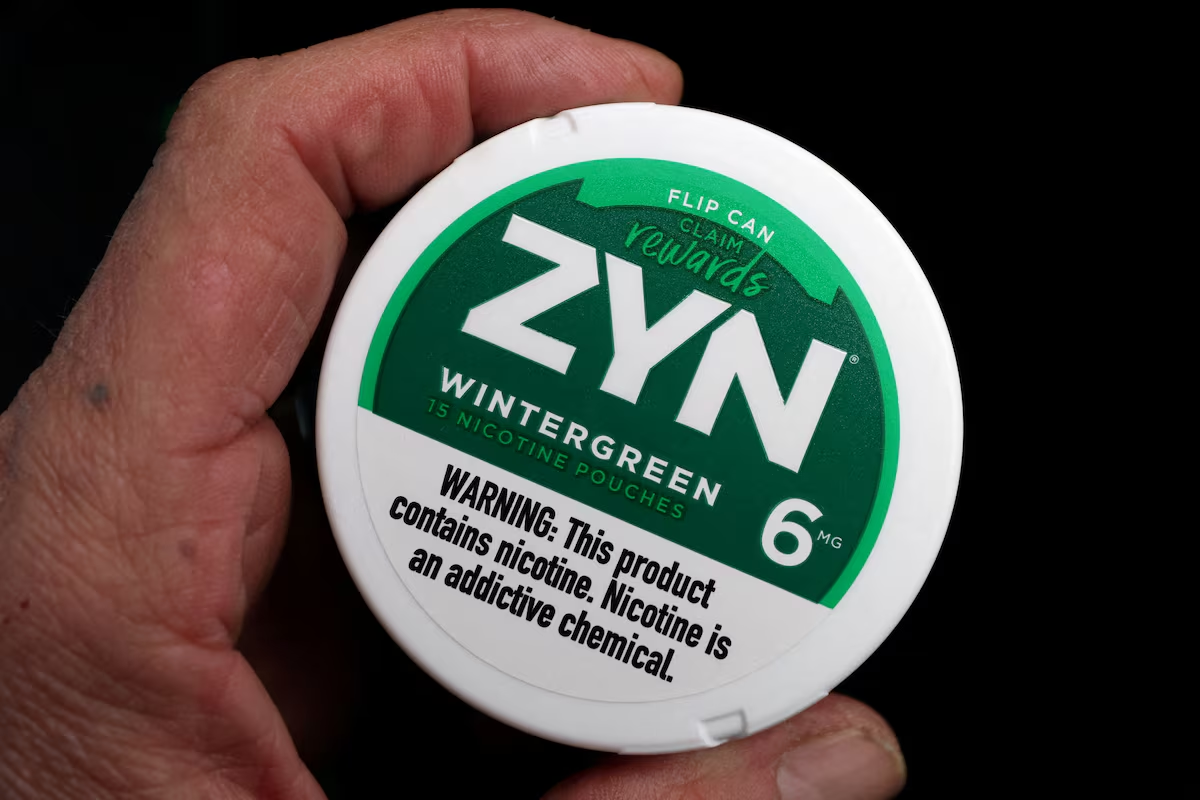
Reuters reported that nicotine pouch brands including Philip Morris International's ZYN and White Fox from Swedish Smokeless Solutions are being sold through Indian online channels and local tobacco retailers.
An Indian government source told Reuters that some pouches are smuggled into the country.
The Health Ministry said in its letter that oral nicotine pouches have become increasingly available through online and offline channels and instructed state authorities to act in the interests of public health and child protection.
PMI and Swedish Smokeless Solutions did not immediately respond to Reuters requests for comment on the latest enforcement action.
PMI says publicly that it has zero tolerance for illegal trade, while Swedish Smokeless Solutions advises consumers to purchase genuine products through authorized channels.
Study Identifies 68 Brands and 445 Flavors Online
Research published in June documented nicotine pouch availability across physical and online retail channels in India.
The study, led by the Indian Council of Medical Research-National Institute of Cancer Prevention and Research, or ICMR-NICPR, surveyed physical points of sale, internet platforms and social-media channels across 10 locations.
Researchers found nicotine pouches in seven of the 10 surveyed locations, with about 9% of surveyed physical tobacco points of sale carrying the products.
The online survey identified 68 brands, with international manufacturers accounting for 63.2%.
Researchers also recorded 445 flavors, including mint and menthol, fruit, dessert and alcohol-themed variants.
Nicotine strengths displayed on product packaging ranged from about 2 mg to as high as 120 mg per pouch. Packs were priced at roughly INR 200 to INR 1,500 and generally contained 15 to 20 pouches.
The nicotine-strength figures were based on product labels and market research rather than independent laboratory testing of every product.
Drug Panel Recommends No New Nicotine Formulations
Indian regulators are also considering nicotine pouch applications submitted as smoking-cessation products.
Minutes from the 94th meeting of the Drugs Technical Advisory Board, or DTAB, held on August 27 show that the Central Drugs Standard Control Organisation had received applications seeking permission to manufacture, import and market nicotine pouches in 2 mg, 4 mg and 6 mg strengths.
The applications involved nicotine salts including nicotine dihydrate ditartrate and nicotine polacrilex and proposed the products for smoking cessation and relief of nicotine-withdrawal symptoms.
India's National Tobacco Control Programme told the board that nicotine pouches are addictive, pose independent health risks and have not been established as effective smoking-cessation aids. It recommended that licences for new nicotine formulations not be granted.
Following deliberations, DTAB recommended that no new nicotine formulation be approved henceforth in the public interest.
The DTAB position is a regulatory recommendation and should not be described as a separately enacted nationwide statutory ban.
Mumbai Airport Case Leaves Product Classification Open
The nationwide enforcement directive follows regulatory action involving nicotine pouch sales at Mumbai's international airport.
Authorities ordered duty-free retailers in April to stop selling products including ZYN and White Fox, taking the position that the products lacked required drug-import licences and registration documents.
On September 22, the Bombay High Court ruled that airport duty-free businesses cannot claim exemption from Indian domestic regulatory laws simply because they operate beyond the customs barrier. The court did not overturn the sales halt.
The court, however, did not make a final determination that the specific ZYN and FOX nicotine pouches qualify as "drugs" under India's Drugs and Cosmetics Act.
It allowed the retailers to submit further product specifications and supporting information for the competent authorities to reconsider their classification and licensing requirements.
India's health authorities are therefore stepping up enforcement against unauthorized pouch sales under drug legislation, while the legal classification of particular products may still depend on their composition, intended use and applicable regulatory provisions.
India Expands Retail Enforcement Nationwide
India has prohibited e-cigarettes since 2019 but permits certain authorized nicotine-replacement therapies, including nicotine gum and patches.
Nicotine pouches contain no tobacco leaf and are not electronic-cigarette devices. As their availability through e-commerce, tobacco retailers and other channels has expanded, regulatory action has focused on drug authorization and unauthorized sales.
The September 19 Health Ministry directive extends enforcement across state-level online and offline markets.
At the same time, DTAB has recommended against approving new nicotine formulations, while the classification of the specific pouch products in the Mumbai airport case remains under further regulatory review.
India is consequently addressing nicotine pouches through three parallel areas: market enforcement, new-product authorization and product classification.
Follow 2Firsts for updates on global nicotine pouch regulation, market access and brand developments.
Cover Image: Reuters