Innovative 'Penjamin Cart Pens' Dual-Use E-Cigarette Pens Found in Schools

Aug.16.2024
Innovative 'Penjamin Cart Pens' Dual-Use E-Cigarette Pens Found in Schools
A new e-cigarette pen called "Penjamin Cart Pens" has been found on school campuses in Santa Clarita Valley.

According to reports from the American media outlet Hometown Station, a type of e-cigarette pen known as "Penjamin Cart Pens" is not only functional as a regular pen but also can be used to smoke e-cigarettes. Robert Jensen, spokesperson for the Santa Clarita Valley Police Department, confirmed that at least two of these e-cigarette pens were found on a campus in the Santa Clarita Valley last week.


Officials of the William S. Hart Union High School District stated:


The Hartford district reminds students that all forms of e-cigarettes and controlled substances are prohibited on all campuses in the Hartford district. E-cigarette pens or any other paraphernalia will be confiscated and disciplinary action will be taken as necessary.


Both the Santa Clarita Valley Sheriff's Station and the Hart District did not disclose the specific campus where these e-cigarette pens were found.


We welcome news tips, article submissions, interview requests, or comments on this piece.

Please contact us at info@2firsts.com, or reach out to Alan Zhao, CEO of 2Firsts, on LinkedIn


Notice

1.  This article is intended solely for professional research purposes related to industry, technology, and policy. Any references to brands or products are made purely for objective description and do not constitute any form of endorsement, recommendation, or promotion by 2Firsts.

2.  The use of nicotine-containing products — including, but not limited to, cigarettes, e-cigarettes, nicotine pouchand heated tobacco products — carries significant health risks. Users are responsible for complying with all applicable laws and regulations in their respective jurisdictions.

3.  This article is not intended to serve as the basis for any investment decisions or financial advice. 2Firsts assumes no direct or indirect liability for any inaccuracies or errors in the content.

4.  Access to this article is strictly prohibited for individuals below the legal age in their jurisdiction.


Copyright


This article is either an original work created by 2Firsts or a reproduction from third-party sources with proper attribution. All copyrights and usage rights belong to 2Firsts or the original content provider. Unauthorized reproduction, distribution, or any other form of unauthorized use by any individual or organization is strictly prohibited. Violators will be held legally accountable.

For copyright-related inquiries, please contact: info@2firsts.com


AI Assistance Disclaimer


This article may have been enhanced using AI tools to improve translation and editorial efficiency. However, due to technical limitations, inaccuracies may occur. Readers are encouraged to refer to the cited sources for the most accurate information.

We welcome any corrections or feedback. Please contact us at: info@2firsts.com

South Korea Constitutional Court Upholds Volume-Based E-Liquid Tax, With Challenged Rates at KRW 370 and KRW 628 per Milliliter
South Korea's Constitutional Court has upheld fixed taxes on nicotine-containing e-cigarette liquids based on solution volume, ruling that challenged provisions imposing KRW 370 per milliliter in individual consumption tax and KRW 628 per milliliter in tobacco consumption tax do not violate the Constitution. The cases stemmed from historical disputes involving importers that reported nicotine as being extracted from tobacco stems rather than leaves. South Korea has since broadened its tobacco definition to include synthetic nicotine, while current tax laws provide reduced rates for certain products not derived from tobacco.
Sep.18
Athletes Back Skoka's $21.5 Million Nicotine Pouch Venture: Can Its Consumer Health Founder Make an FDA-Focused Strategy Pay Off?
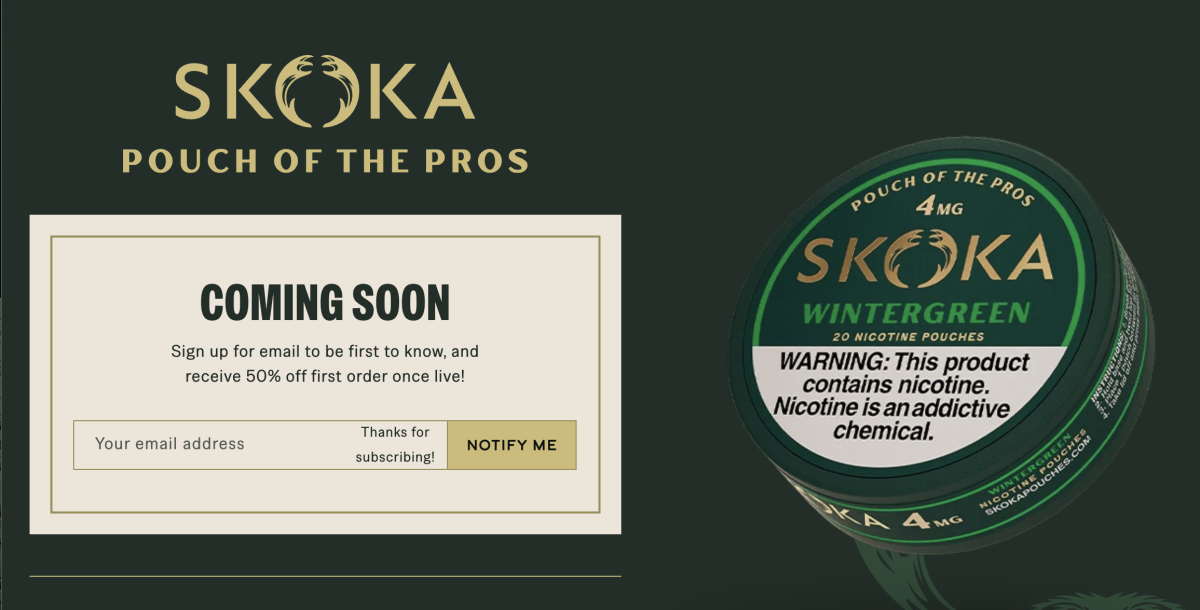
U.S. nicotine pouch startup Skoka Inc. has raised $21.5 million and committed $15 million to an FDA regulatory and scientific research program. Founder Dan Aziz previously built dietary supplement brand Premama, which was acquired by Dr. Reddy's Laboratories in 2023. Skoka is combining proprietary formulations, ingredient transparency and equity investment from professional athletes. The company submitted a bundled PMTA covering 55 products on October 1, 2026. Aziz said Skoka declined an opportunity to enter retail in 2025, prioritizing product research and regulatory submissions instead. It now targets a U.S. retail launch in 2027, subject to FDA requirements. Its products have not received marketing authorization.
Business
Nov.04
Product | KIWI Launches Spark 2 and Spark 2 Pro in Germany, Two Hardware Tiers Share Backward-Compatible 2ml Pods
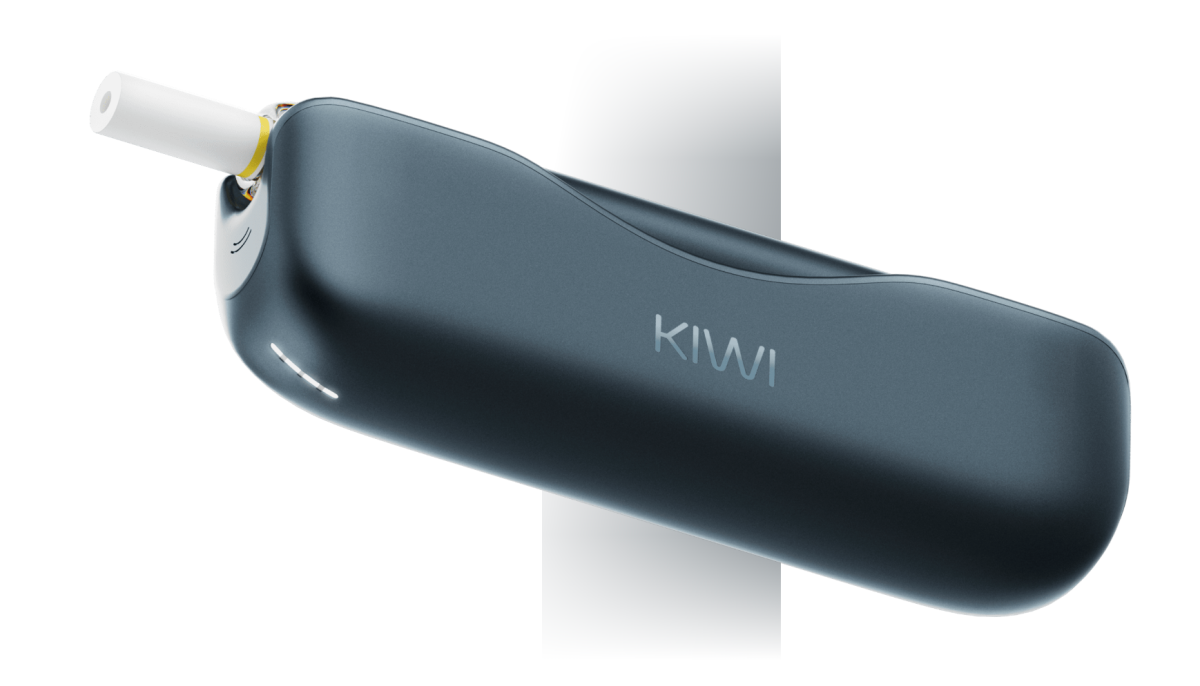
KIWI has launched the Spark 2 and Spark 2 Pro refillable pod systems in Germany at official prices of €18 and €29, respectively. Spark 2 uses an 800mAh removable lithium-ion battery in a pen-style body, while Spark 2 Pro features a 1,400mAh removable battery, a box-shaped design and vibration feedback every 20 puffs. Both devices use the same 2ml Spark V2 pods in 0.8Ω and 1.2Ω versions, with AirSync airflow adjustment and a choice between Cotton Tips and conventional Drip Tips. The new pods also remain compatible with the original KIWI Spark.
News
Sep.29 by 2Firsts Perspectives
South Korea Extends Vape Rules to Unmanned Stores After Bringing Synthetic Nicotine Under Tobacco Law
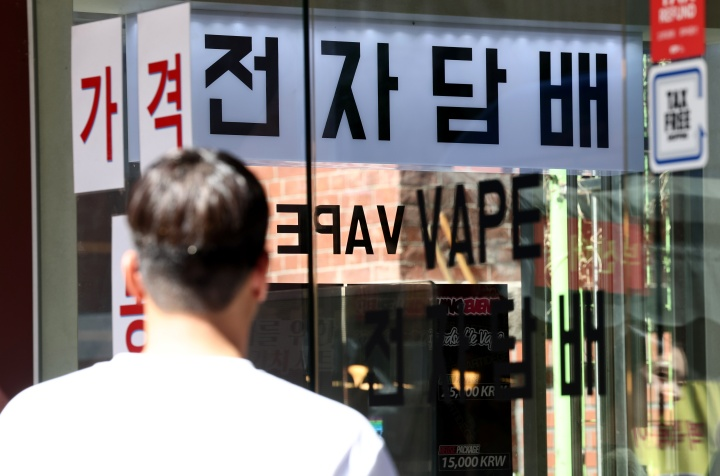
South Korea's Ministry of Gender Equality and Family said on September 14 that it plans to designate unmanned e-cigarette stores as businesses where minors are prohibited from entering or working. Operators would be required to verify customers' ages and display notices restricting access by minors. The proposal is open for public comment through October 6. The move follows an April expansion of South Korea's statutory tobacco definition that brought products made with natural or synthetic nicotine under the Tobacco Business Act. Nicotine-free liquids and products using nicotine analogues such as 6-methylnicotine, however, remain an emerging regulatory issue.
Sep.21
South Korea's Tobacco Plan Excludes 6-Methyl Nicotine as Customs Tightens Import Controls and Analog Liquid Imports Fall 83%
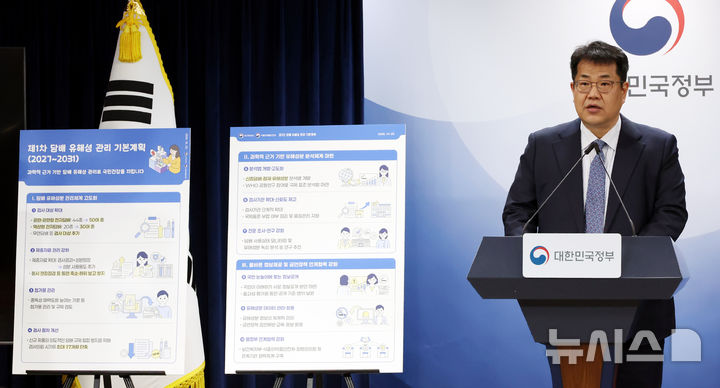
South Korea's government unveiled its first Tobacco Harm Management Basic Plan for 2027–2031 on October 29, 2026, proposing broader testing of vaping and heated tobacco products while excluding nicotine analogs such as 6-methyl nicotine. Synthetic nicotine came under tobacco regulation on April 24, and a June investigation found 6-methyl nicotine in 12 liquid inhalation products marketed as nicotine-free. Customs data released in September showed that imports of nicotine analog solutions fell 83.3%, from 12 metric tons in January–April to 2 metric tons in May–August. By September 20, imports had reached approximately 15 metric tons for the year, with 99.99% originating from China. Customs authorities have tightened pre-clearance testing and supply-chain documentation requirements, while the MFDS expects to complete its assessment of nicotine analog hazards by the end of 2026.
Regulations
Nov.04
Special Report | From New York to Washington: How FDA’s Tobacco Center Is Reworking Product Review
FDA’s Center for Tobacco Products is reshaping how it approaches tobacco product review. Based on 2Firsts’ on-site reporting in New York and Washington, this report traces CTP’s emerging direction: stronger links between PMTA and tobacco harm reduction, more category-specific review, greater emphasis on decision-relevant science, more predictable timelines and expanded use of sPMTA for product modifications. CTP also acknowledged major constraints, including just nine PMTA review teams, persistent backlogs and limits on hiring capacity.
Regulations
Oct.08