Investigation on Illegal Sale of E-cigarette in Almaty, Kazakhstan

Aug.09.2024
Investigation on Illegal Sale of E-cigarette in Almaty, Kazakhstan
Kazakhstan authorities investigate 10 vendors in Almaty for illegal e-cigarette sales, facing up to 5 years in jail.

According to Almaty.tv reported on August 8th, ten businesses in Almaty, Kazakhstan are under investigation for selling e-cigarettes, with those involved facing a maximum sentence of 5 years in prison. It is reported that police are conducting regular raids to crackdown on illegal e-cigarette transactions. In addition to underground stores, authorities have also discovered online sales. So far, six online stores have been shut down.


According to reports, despite laws prohibiting the sale of e-cigarettes, some illicit traders continue to engage in underground transactions. Approximately 40 countries worldwide have implemented complete bans on e-cigarettes. According to doctors, vaping e-cigarettes may pose greater health risks than traditional cigarettes due to their chemical composition, toxic substance levels, and the frequent indoor smoking habits of e-cigarette users.


Nazym Alpeisova, acting head of the second women's department at the mental health center, stated that...


Someone may have been smoking for many years without seeking medical attention, but as time goes on, other organs may gradually begin to show symptoms of disease.


Since the law came into effect, Almaty conducts daily raids to shut down e-cigarette shops. In fact, not only the sale, but also the act of vaping e-cigarettes will be punished.


The Deputy Chief of the Police Substation, Aitan Eleusizov, stated:


Smokers also face administrative responsibility. According to Article 110 of the National Health and Medical System Law, certain smoking prohibited areas are clearly defined. These include cigarettes, e-cigarettes, hookahs, Nasvai, and Snils (traditional tobacco products), all of which are considered smoking behavior and are strictly prohibited.


According to reports, individuals caught illegally selling e-cigarettes could face fines of up to 200 times the monthly income (in 2024, Kazakhstan's monthly calculation index is 3,692 tenge, equivalent to about $7.70) or forced labor of the same value. Offenders may be detained for up to 50 days, and those found guilty of serious violations could potentially face up to five years of imprisonment.


We welcome news tips, article submissions, interview requests, or comments on this piece.

Please contact us at info@2firsts.com, or reach out to Alan Zhao, CEO of 2Firsts, on LinkedIn


Notice

1.  This article is intended solely for professional research purposes related to industry, technology, and policy. Any references to brands or products are made purely for objective description and do not constitute any form of endorsement, recommendation, or promotion by 2Firsts.

2.  The use of nicotine-containing products — including, but not limited to, cigarettes, e-cigarettes, nicotine pouchand heated tobacco products — carries significant health risks. Users are responsible for complying with all applicable laws and regulations in their respective jurisdictions.

3.  This article is not intended to serve as the basis for any investment decisions or financial advice. 2Firsts assumes no direct or indirect liability for any inaccuracies or errors in the content.

4.  Access to this article is strictly prohibited for individuals below the legal age in their jurisdiction.


Copyright


This article is either an original work created by 2Firsts or a reproduction from third-party sources with proper attribution. All copyrights and usage rights belong to 2Firsts or the original content provider. Unauthorized reproduction, distribution, or any other form of unauthorized use by any individual or organization is strictly prohibited. Violators will be held legally accountable.

For copyright-related inquiries, please contact: info@2firsts.com


AI Assistance Disclaimer


This article may have been enhanced using AI tools to improve translation and editorial efficiency. However, due to technical limitations, inaccuracies may occur. Readers are encouraged to refer to the cited sources for the most accurate information.

We welcome any corrections or feedback. Please contact us at: info@2firsts.com

South Korea Fully Reviews Nicotine-Analog and Nicotine-Free Vape Liquid Imports, With Over 99% From China and Chinese Supply-Chain Documents Under Scrutiny
Korea Customs Service has tightened import controls on nicotine-analog and nicotine-free e-cigarette liquids, placing the products under 100% document review and subjecting all e-cigarette liquid import declarations to pre-clearance ingredient analysis. As of September 20, 2026, South Korea had imported about 15 metric tons of nicotine-analog liquids, 99.99% from China, and about 316 metric tons of nicotine-free liquids, including roughly 315 metric tons, or 99.7%, from China. The measures follow South Korea's April expansion of its tobacco definition to include synthetic nicotine products and include new checks on Chinese manufacturing, transaction and export documentation.
Sep.24
Swedish-Founded Nicotine Pouch Retailer GotPouches Shifts to U.S.-Based Operations, Reaching Over 25 States
Swedish-founded online nicotine pouch retailer GotPouches has completed the localization of its U.S. operations under UpNorth Retail LLC, with corporate operations in Franklin, Tennessee, domestic fulfillment from Nashville and U.S.-based customer support. The company says its catalog covers more than 20 nicotine pouch brands and it currently serves customers in more than 25 U.S. states.
Sep.18
Australia Brings in Deloitte to Support Illicit Tobacco and Vape Enforcement Across Data, Processes and Project Delivery
Australia’s Department of Home Affairs has hired Deloitte to provide data analytics, business-process, communications and project-delivery support to the Office of the Illicit Tobacco and E-Cigarette Commissioner. The government says Deloitte personnel do not provide policy advice to the Commissioner or the Australian government, with policy development and decision-making remaining with public officials. The arrangement has nevertheless drawn scrutiny because Deloitte has previously provided professional services to several tobacco and vaping companies.
Sep.03
As JUUL2 Wins FDA Authorization, Harm Reduction Journal Highlights the Role of Real-World Evidence in Nicotine Product Regulation
A commentary published in the international open-access, peer-reviewed Harm Reduction Journal argues that randomized controlled trials remain central to evaluating smoking cessation efficacy but cannot alone capture real-world uptake, complete switching, longer-term use and population impact of non-combustible nicotine products such as e-cigarettes, heated tobacco and nicotine pouches. The authors frame impact as “reach × efficacy” and call for real-world evidence to complement RCTs. Three days after publication, the FDA authorized three JUUL2 products and highlighted complete switching among adult smokers in explaining its decision, providing a timely regulatory backdrop to the debate.
Sep.08
U.S. Ninth Circuit Upholds FDA Denial of MH Global’s Flavored Vape PMTA Applications
The U.S. Court of Appeals for the Ninth Circuit upheld the FDA’s denial of MH Global LLC’s applications to market flavored electronic nicotine delivery systems (ENDS). The court ruled that FDA’s comparative-efficacy framework, which requires applicants to show that flavored products provide greater cessation or switching benefits than tobacco-flavored alternatives, is consistent with the Tobacco Control Act’s “appropriate for the protection of the public health” standard. The court also found that FDA was not required to establish the framework through notice-and-comment rulemaking.
Aug.26
Russia’s Vape Device Labeling Regime Enters Force: Registration Starts in September, Mandatory Coding in December
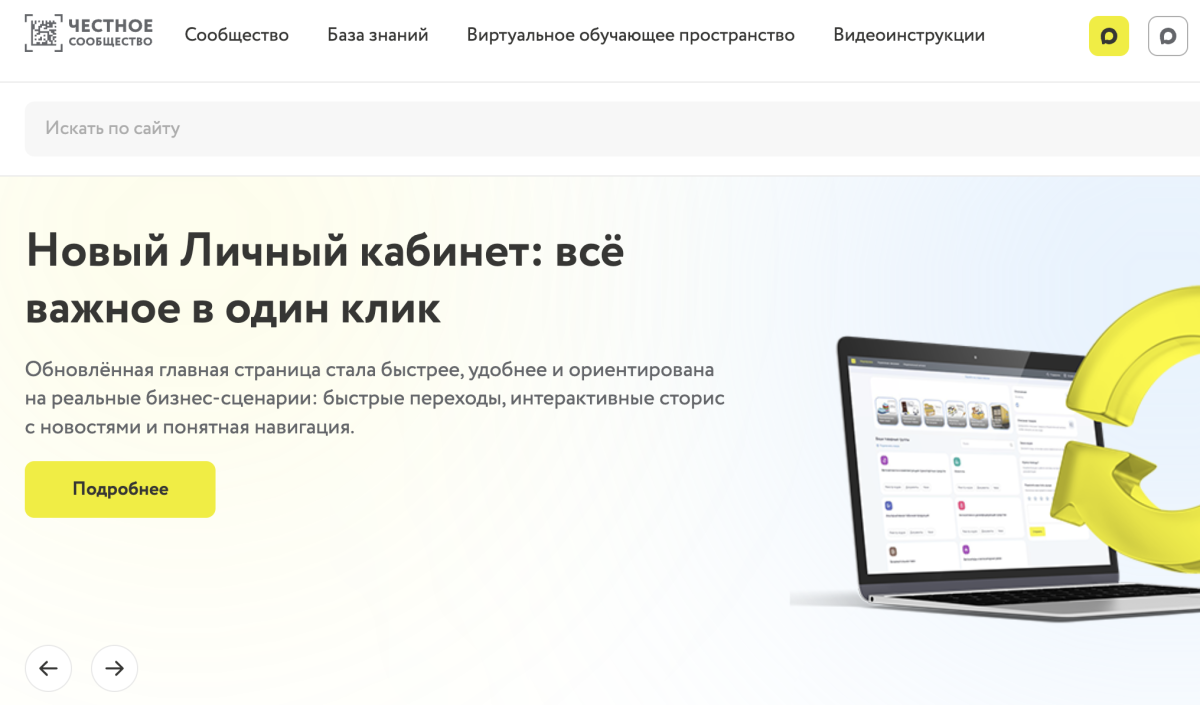
Russia's digital labeling regime for reusable e-cigarettes and similar personal vaping devices entered its first mandatory phase in September 2026. From September 1, manufacturers, importers and other market participants must register with the national Chestny ZNAK tracking system. From December 1, newly manufactured and imported covered devices will be required to carry digital identification codes and be reported as entering circulation. Russia has also issued new operational guidance for imports, marking the transition from a voluntary pilot to phased mandatory implementation.
Sep.15