Irish Tobacco Companies to Pay Street Cleaning Fees.

Jan.04.2023
Irish Tobacco Companies to Pay Street Cleaning Fees.
From 2023, tobacco companies will pay millions for street cleaning in Ireland due to a new EU law to reduce plastic waste.

According to a report in The Irish Times, new legislation driven by EU efforts to reduce plastic waste will require tobacco companies to pay millions of euros in street cleaning costs in Ireland from January 1, 2023.


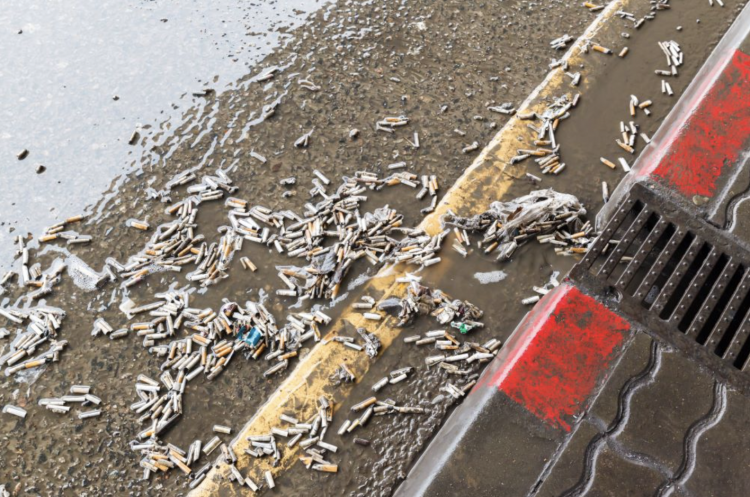
According to the national garbage pollution monitoring system, cigarette butts account for half of all garbage and are the "biggest garbage hazard".


Starting this year, tobacco companies will bear some of the cleaning costs. The total amount of responsibility will not be determined until data on the contribution of cigarette butts to garbage collection fees in 2023 is collected.


Bernie Kiely, a senior environmental official in the circular economy, stated, "This forces tobacco companies to reconsider their products and the costs involved in bringing them to market, as they would be responsible for paying for waste cleanup and recycling. What we are doing is returning the full lifecycle costs to the tobacco producers who initially introduced them to the market.


Disclaimer

This article is provided solely for professional research, industry discussion, and informational purposes. Any references to brands, companies, products, technologies, or policies are made for factual reporting and analytical purposes only, and do not constitute endorsement, recommendation, promotion, or advertising by 2Firsts.

Nicotine-containing products, including but not limited to cigarettes, e-cigarettes, heated tobacco products, and nicotine pouches, carry significant health risks. Readers are responsible for complying with all applicable laws and regulations in their respective jurisdictions, including age restrictions and access limitations.

The information contained in this article should not be regarded as investment, legal, medical, regulatory, or commercial advice. While 2Firsts strives to ensure the accuracy and reliability of its content, it does not assume liability for any direct or indirect loss arising from errors, omissions, inaccuracies, or reliance on the information contained herein.

This article is not intended for individuals below the legal age for accessing tobacco or nicotine-related information in their jurisdiction.


Copyright Notice

This article is either original content produced by 2Firsts or content reproduced, translated, summarized, or adapted from third-party sources with attribution where applicable. The intellectual property rights of the original content remain with 2Firsts or the respective original rights holders.

No individual or organization may copy, reproduce, distribute, republish, modify, translate, or otherwise use this content without prior authorization. Any unauthorized use may result in legal action.

For copyright-related inquiries, corrections, or removal requests, please contact: info@2firsts.com.


AI-Assisted Translation and Editing Notice

Portions of this article may have been translated, edited, or reviewed with the assistance of artificial intelligence tools to improve efficiency and readability. Due to the limitations of AI-assisted translation and editing, discrepancies, omissions, or inaccuracies may exist when compared with the original source.

Where applicable, readers are advised to refer to the original source for the most complete and accurate information. If you identify any errors or believe that any content infringes upon your rights, please contact us at info@2firsts.com, and we will review and address the matter promptly.

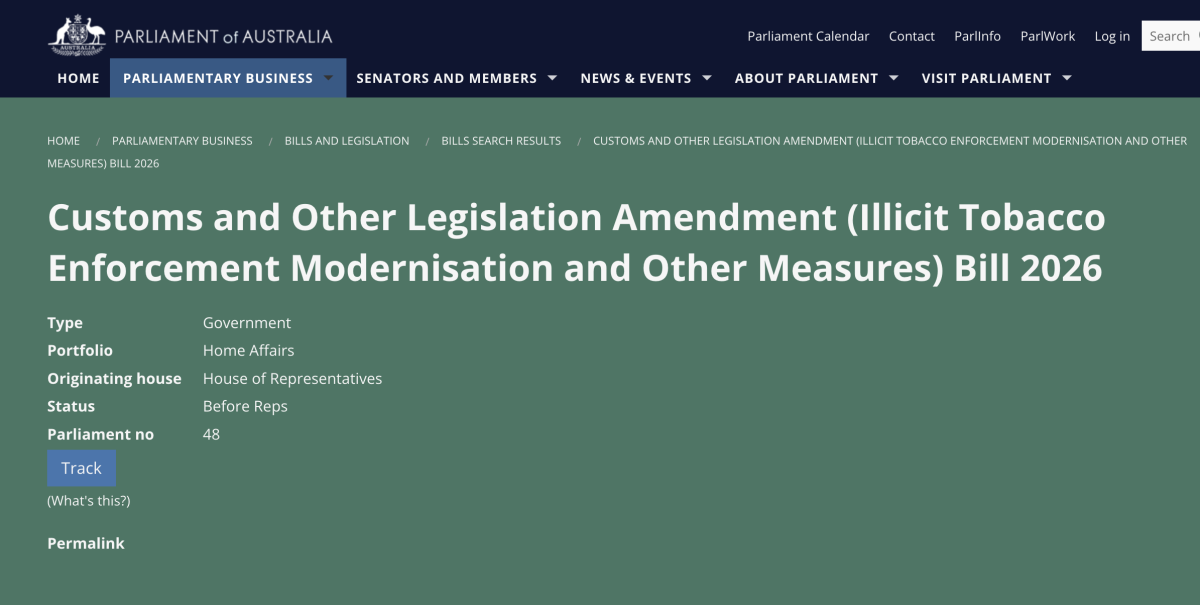
Australia Extends Illicit Tobacco Crackdown From Tougher Penalties to Customs and Logistics Supply Chains
Australia's federal government introduced a new illicit tobacco enforcement bill on September 10 that would strengthen evidentiary presumptions, representative sampling, seizure and forfeiture procedures, proceeds-of-crime powers and obligations for customs and logistics operators. The proposal follows the Combatting Illicit Tobacco Act 2026, which took effect in August and increased penalties while expanding investigative and asset-recovery tools. Together, the reforms extend Australia's crackdown from tougher criminal sanctions into import, logistics and evidentiary enforcement.
Sep.14
JAMA Issues First U.S. Clinical Guidance on Vaping for Smoking Cessation, Urging Complete Switch From Cigarettes
JAMA has published a Special Communication offering systematic recommendations for U.S.-based clinicians on the use of nicotine e-cigarettes in adult smoking cessation. Developed by the Harm Reduction Workgroup of the Society for Research on Nicotine and Tobacco’s Treatment Research Network, the paper recommends including e-cigarettes alongside FDA-approved cessation medications in risk-benefit discussions. It cites high-certainty evidence that nicotine e-cigarettes achieve higher quit rates than nicotine replacement therapy and evidence suggesting efficacy comparable to highly effective medications such as varenicline and cytisine. For adults who choose vaping to quit, the authors recommend FDA-authorized products, sufficient nicotine delivery and a rapid, complete transition away from cigarettes rather than prolonged dual use.
Aug.13
Florida Governor DeSantis Expands TANF Restrictions, Blocking Welfare Benefits From Buying Tobacco and Vapes
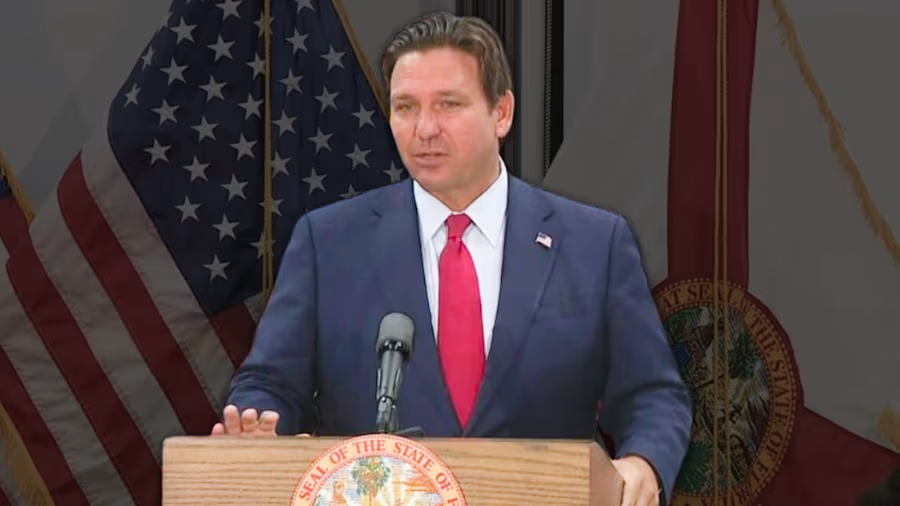
Florida Governor Ron DeSantis announced an expansion of Temporary Assistance for Needy Families (TANF) restrictions that would prohibit Electronic Benefit Transfer (EBT) funds from being used to purchase tobacco and vaping products. The state will amend its TANF State Plan and submit the changes for federal approval. Florida officials said the restrictions would not affect eligibility for temporary cash assistance or the amount of benefits received, but would change how funds can be spent.
Aug.25
JTI Research Finds 31% of UK Respondents Offered Illicit Tobacco, While 63% of Ennis Packs Lack Duty Marks
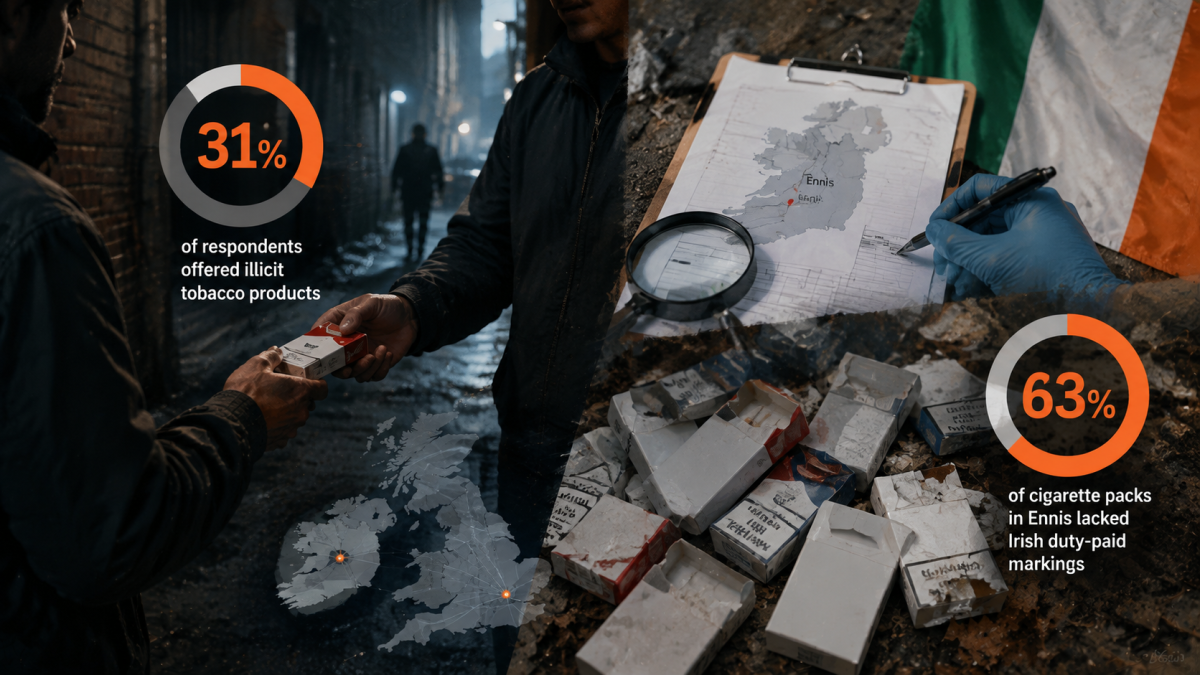
Multiple JTI-backed studies in the UK and Ireland indicate that illicit tobacco remains visible across consumer interactions and local markets. In the UK, JTI research found that 31% of respondents said they had been offered illicit tobacco products. In Ireland’s Ennis area, a JTI-commissioned empty pack survey found that 63% of sampled cigarette packs did not carry Irish duty-paid markings. The findings come from industry research rather than official government estimates of illicit tobacco market size, but highlight continued concerns among regulators, legitimate retailers and tobacco companies over illicit trade.
Aug.19
2Firsts Compliance Solutions Hosts PMTA Briefing on FDA Review Signals After JUUL2 Authorization
Following recent FDA authorizations for JUUL2 and ZYN ULTRA, 2Firsts Compliance Solutions held an online PMTA briefing on Sept. 4 to examine what the decisions may signal about review efficiency, scientific evidence and U.S. market access. Nearly 30 participants from brands, manufacturers, compliance service providers and investment firms joined the discussion.
2Firsts Events
Sep.06
Kelly White Bets on Female Consumers as Nicotine Pouch Competition Intensifies | 2Firsts Interview
Swedish nicotine pouch brand Kelly White is building its strategy around adult female consumers. Founder and CEO Sophia Wilsby told 2Firsts that women accounted for around 70% of the brand’s repeat customers on HAYPP in Sweden in 2025. The interview explores female consumer segmentation, product and design differentiation, gender stereotypes, packaging regulation, and how independent brands can compete with global players such as ZYN and VELO while considering funding, partnerships and future ownership options.
Business
Sep.24