Italian Elf Bar Products Compliant, Only Issue in UK

Feb.09.2023
Italian Elf Bar Products Compliant, Only Issue in UK
ELFBAR's Italian distributor confirms products comply with regulations and issues only present in UK batches.

On February 8th, Italian electronic cigarette vertical media, sigmagazine, received a response letter from Set Spa, the exclusive distributor of ELFBAR in Italy. The letter stated that issues with ELFBAR were only limited to the UK and that all products in Italy are compliant with regulations.


The contents of the letter are as follows:


Dear Director,


We have come across an article published by you on your online publication on February 7th. The article is titled "Elf Bar 600 Disposable E-cigarette temporarily banned from UK market.


As a distributor of problematic products in the Italian market, Set Spa, we would like to point out that, to our knowledge, the issues in the UK market only concern certain batches of the products and do not exist in any way in the devices being released into our market.


Before releasing it to the market, we conducted strict inspections. Yesterday, February 7th, we conducted identical inspections at the independent Accredia certification laboratory for each batch and flavor to verify that the liquid levels met the effective legislation. Therefore, it seems our responsibility to inform consumers and industry operators concerned about your Elfbar products, all of which comply with the Law 6/2016.


We regret to inform you that our competitors have engaged in defamatory business practices aimed at tarnishing our brand over the past few hours. As this situation continues, we will take the necessary steps to protect our interests in the appropriate forum.


Reference:


ElfBar case, the distributor speaks: "Problem limited to Great Britain, in Italy everything is safe.


Further reading:


The ELFBAR product has been removed from British supermarkets for containing 50% more nicotine than allowed by regulations.


Wholesalers urgently recall ELFBAR products that exceed safety standards; 2 supermarkets have added the products to their list of items to remove from their shelves.


Disclaimer

This article is provided solely for professional research, industry discussion, and informational purposes. Any references to brands, companies, products, technologies, or policies are made for factual reporting and analytical purposes only, and do not constitute endorsement, recommendation, promotion, or advertising by 2Firsts.

Nicotine-containing products, including but not limited to cigarettes, e-cigarettes, heated tobacco products, and nicotine pouches, carry significant health risks. Readers are responsible for complying with all applicable laws and regulations in their respective jurisdictions, including age restrictions and access limitations.

The information contained in this article should not be regarded as investment, legal, medical, regulatory, or commercial advice. While 2Firsts strives to ensure the accuracy and reliability of its content, it does not assume liability for any direct or indirect loss arising from errors, omissions, inaccuracies, or reliance on the information contained herein.

This article is not intended for individuals below the legal age for accessing tobacco or nicotine-related information in their jurisdiction.


Copyright Notice

This article is either original content produced by 2Firsts or content reproduced, translated, summarized, or adapted from third-party sources with attribution where applicable. The intellectual property rights of the original content remain with 2Firsts or the respective original rights holders.

No individual or organization may copy, reproduce, distribute, republish, modify, translate, or otherwise use this content without prior authorization. Any unauthorized use may result in legal action.

For copyright-related inquiries, corrections, or removal requests, please contact: info@2firsts.com.


AI-Assisted Translation and Editing Notice

Portions of this article may have been translated, edited, or reviewed with the assistance of artificial intelligence tools to improve efficiency and readability. Due to the limitations of AI-assisted translation and editing, discrepancies, omissions, or inaccuracies may exist when compared with the original source.

Where applicable, readers are advised to refer to the original source for the most complete and accurate information. If you identify any errors or believe that any content infringes upon your rights, please contact us at info@2firsts.com, and we will review and address the matter promptly.

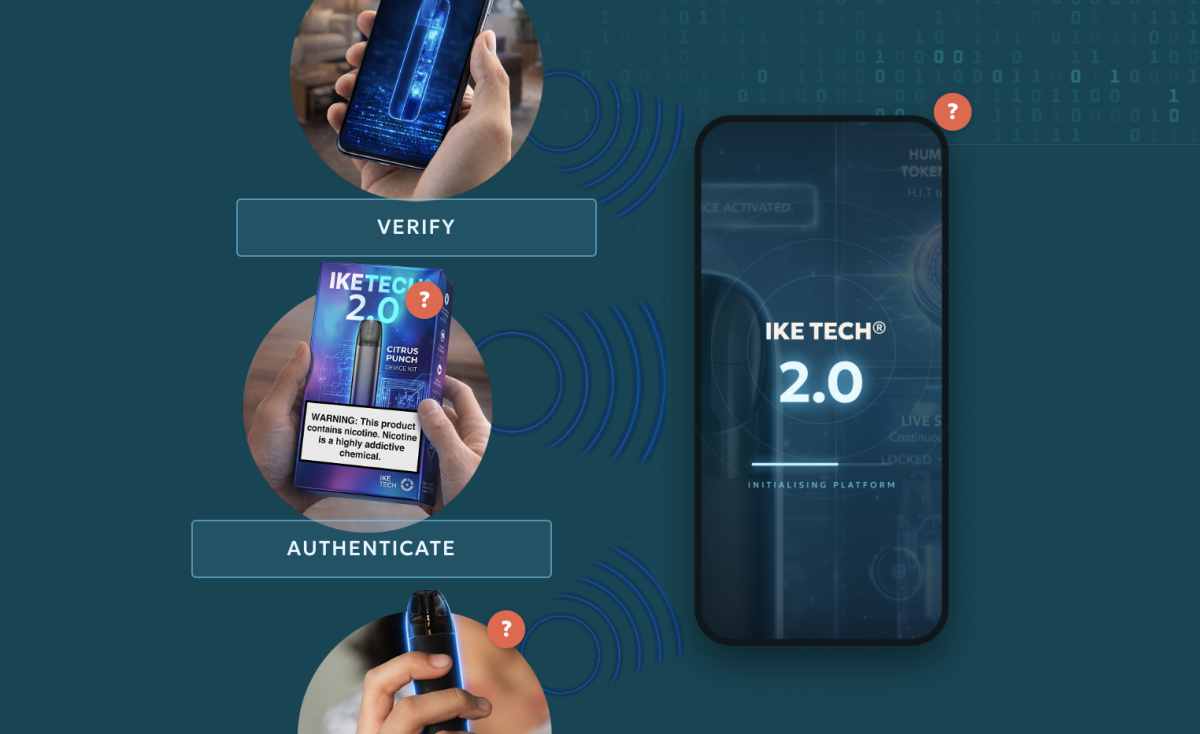
IKE Tech Launches IKE 2.0 Compliance Platform for Nicotine Products
IKE Tech launched IKE 2.0 on September 28, initially targeting nicotine products with a platform that combines user identity verification, product authentication, configurable policy controls and data analytics. Products can be authenticated through direct device integration or NFC smart tags. IKE Tech was formed with participation from Ispire's Aspire North America, Berify and Chemular, with Ispire currently holding a 40% interest. Its age-verification component PMTA was accepted by the FDA in 2025 and remains under review. The company did not disclose customer names, commercial deployment volumes, pricing or revenue tied to IKE 2.0.
News
Sep.29 by 2Firsts Perspectives
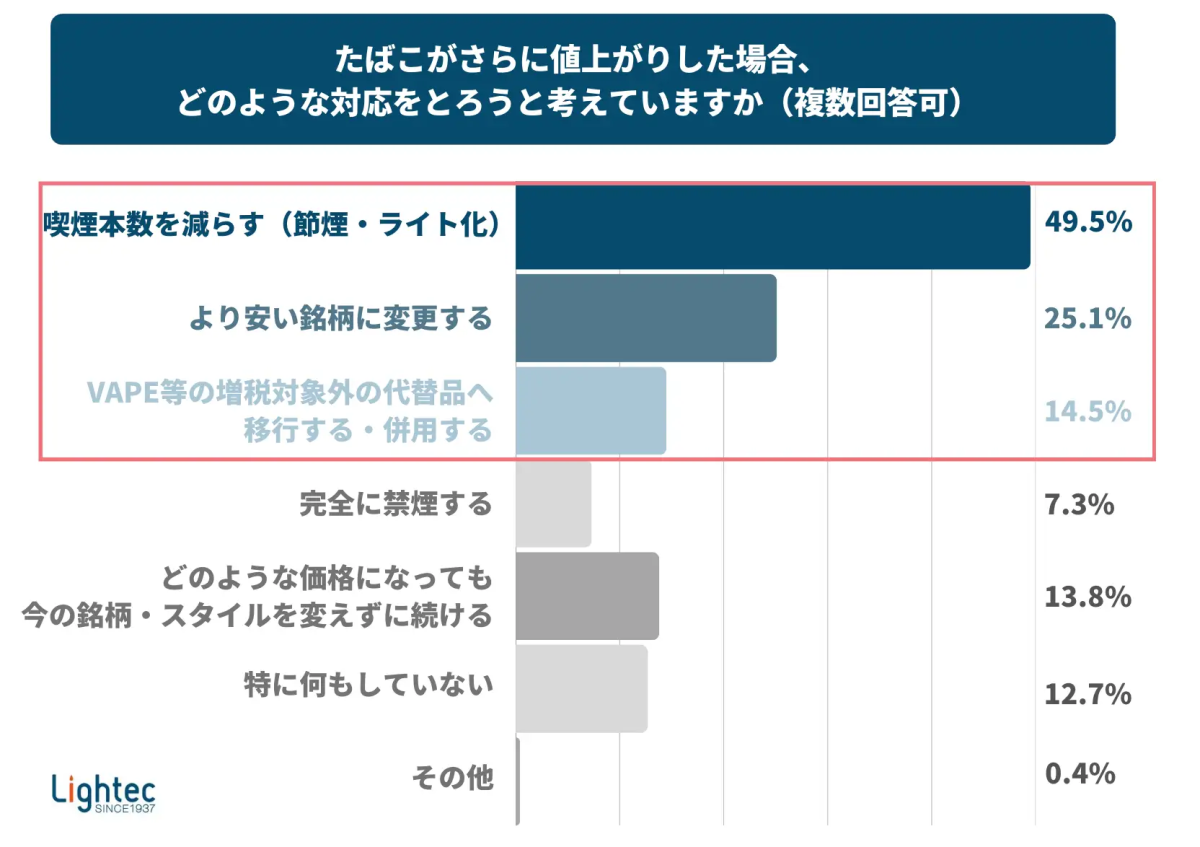
Japan Survey Finds 49.5% Would Cut Tobacco Use if Prices Rise, 64.6% Show Interest in Nicotine-Free Alternatives
A September online survey commissioned by Japanese smoking-accessories company Lightec found that 49.5% of respondents would consider reducing tobacco use if prices rose further, while 25.1% would consider switching to cheaper brands and 14.5% would consider using or combining alternatives such as vapes and nicotine-free herbal sticks. Another 64.6% expressed some level of interest in such alternatives. The survey covered 1,088 respondents aged 20 to 70 and was conducted by a company that sells NICOLESS nicotine-free vaping and herbal-stick products, meaning its findings should not be treated as representative of Japan's smoking population.
DATA
Oct.12
Special Report | Vape bans and tougher rules: the South Caucasus takes different paths
Azerbaijan's sweeping e-cigarette ban has raised concerns over enforcement errors and the emergence of illicit sales, while neighboring Armenia is tightening technical rules and preparing higher excise taxes. Georgia, meanwhile, has resisted calls for broader vape restrictions and introduced preferential taxes for some domestically produced cigarettes. The divergent approaches across the South Caucasus highlight a regional policy dilemma: how to curb nicotine use and protect public health without encouraging black markets or creating unintended economic consequences for businesses and consumers.
Nov.03
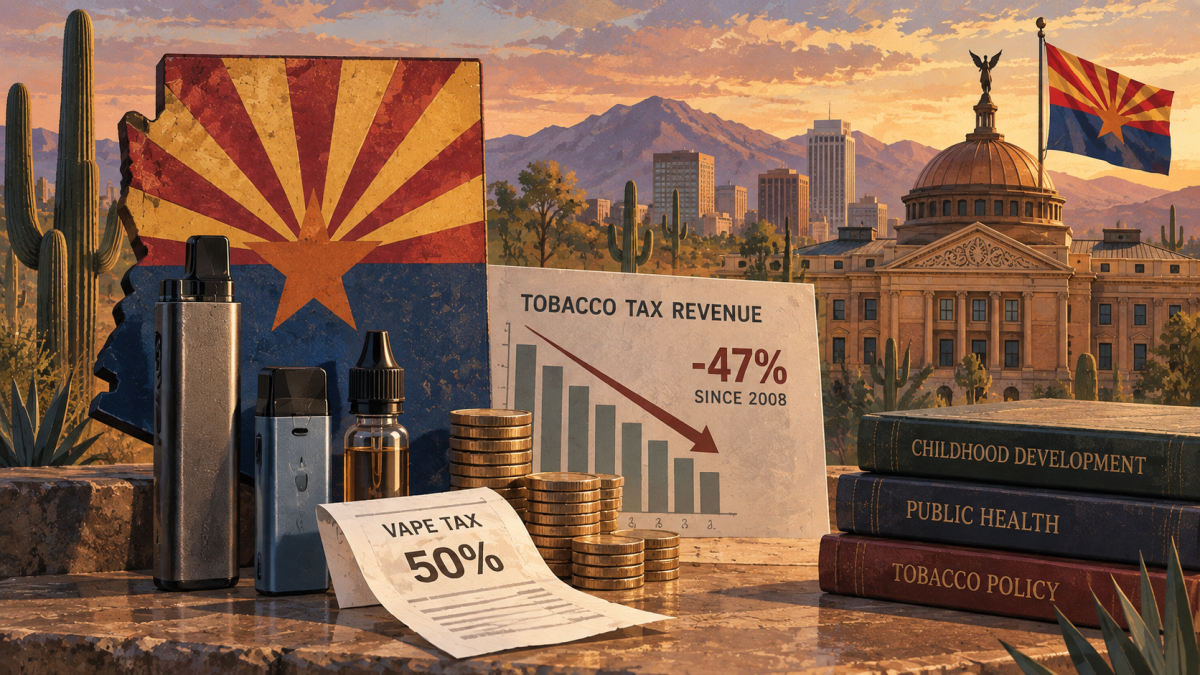
Arizona Turns to a 50% Retail Vape Tax as Tobacco Tax Revenue Falls 47% From 2008
Arizona's First Things First is pushing for an excise tax equal to 50% of the retail price of vaping products, estimating that the measure could generate about $100 million annually. The agency says its tobacco-tax revenue has fallen 47% from 2008 levels. Arizona has attempted to broaden its nicotine tax base in each of the past two years: a 2025 bill proposed a 50% wholesale-price tax, while a 2026 measure shifted to a 50% retail-price tax covering alternative nicotine products and vapor products. Separately, the state enacted HB 4001 this year to establish a new licensing and sales framework for alternative nicotine products.
Sep.21
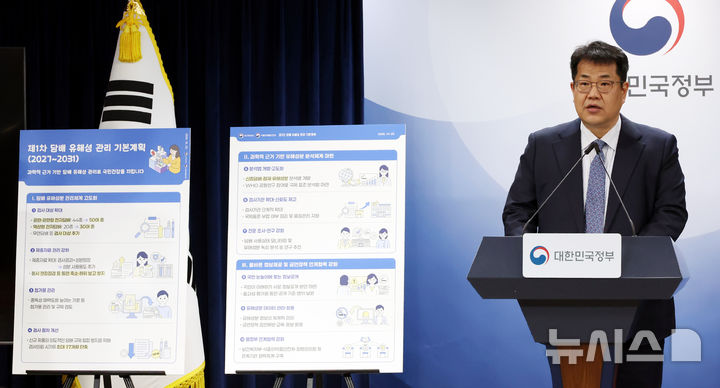
South Korea's Tobacco Plan Excludes 6-Methyl Nicotine as Customs Tightens Import Controls and Analog Liquid Imports Fall 83%
South Korea's government unveiled its first Tobacco Harm Management Basic Plan for 2027–2031 on October 29, 2026, proposing broader testing of vaping and heated tobacco products while excluding nicotine analogs such as 6-methyl nicotine. Synthetic nicotine came under tobacco regulation on April 24, and a June investigation found 6-methyl nicotine in 12 liquid inhalation products marketed as nicotine-free. Customs data released in September showed that imports of nicotine analog solutions fell 83.3%, from 12 metric tons in January–April to 2 metric tons in May–August. By September 20, imports had reached approximately 15 metric tons for the year, with 99.99% originating from China. Customs authorities have tightened pre-clearance testing and supply-chain documentation requirements, while the MFDS expects to complete its assessment of nicotine analog hazards by the end of 2026.
Regulations
Nov.04
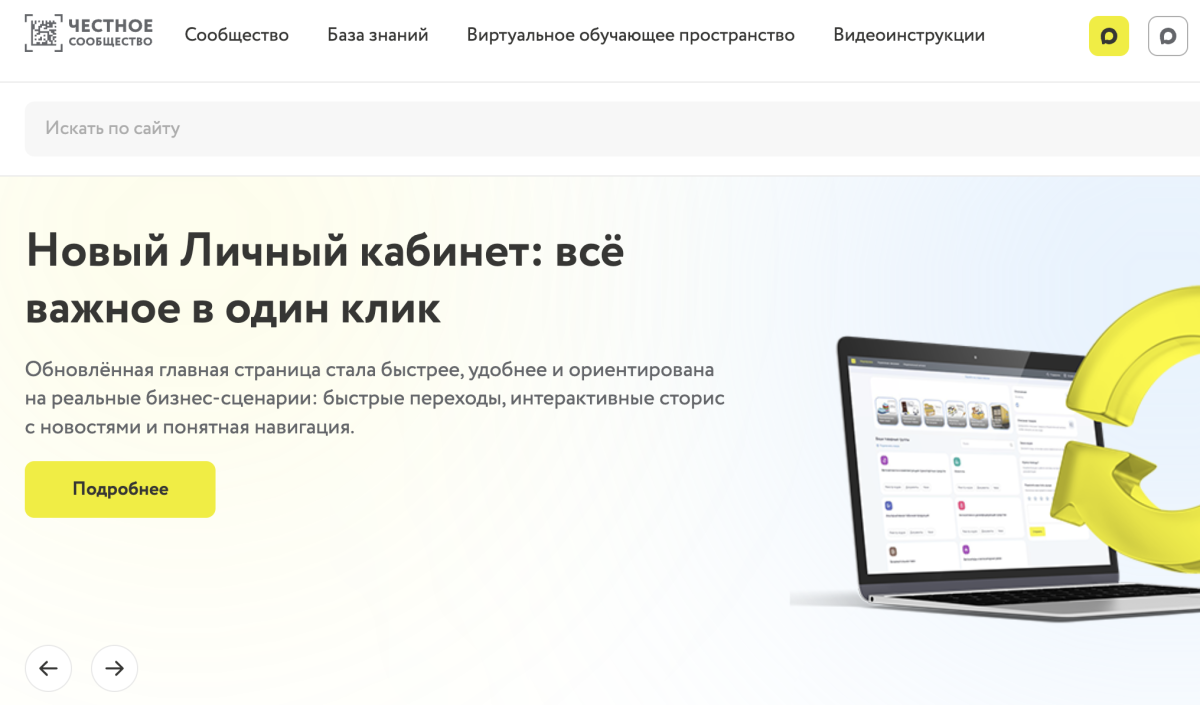
Russia’s Vape Device Labeling Regime Enters Force: Registration Starts in September, Mandatory Coding in December
Russia's digital labeling regime for reusable e-cigarettes and similar personal vaping devices entered its first mandatory phase in September 2026. From September 1, manufacturers, importers and other market participants must register with the national Chestny ZNAK tracking system. From December 1, newly manufactured and imported covered devices will be required to carry digital identification codes and be reported as entering circulation. Russia has also issued new operational guidance for imports, marking the transition from a voluntary pilot to phased mandatory implementation.
Sep.15