Malaysia Implements 10% Sales Tax on Imported Goods (LVG)

Jan.10.2023
Malaysia Implements 10% Sales Tax on Imported Goods (LVG)
Malaysia introduces a 10% sales tax on all imported LVG products starting April 2023, but registration for sellers is ongoing.

The Royal Malaysian Customs has announced that the sales tax for imported low value goods (LVG) has officially taken effect since its parliamentary approval in August 2022. Although the official implementation date is January 1, 2023, it may take several months to start paying additional fees for goods ordered from outside Malaysia.


Prior to this, LVGs with a total value of less than RM500 were exempt from sales tax upon importation. However, under the new law, all goods imported from overseas will be subjected to a uniform tax rate of 10%.


Despite the new law being in place, the government will only begin to impose tax from April 1, 2023. Currently, customs will focus on getting sellers to register on their MyLVG system.


This applies to both foreign sellers and local sellers importing LVG from overseas. All domestic and foreign sellers (regardless of whether they use land, sea or air transportation) importing goods with a total sales value exceeding 500,000 Malaysian Ringgit within a 12-month period must register with customs in Malaysia in order to begin paying the new taxes.


The LVG sales tax will only be based on the product price and will not include any additional charges such as delivery fees or insurance. The only exemptions to this new tax will be for cigarettes, tobacco products, pipes, e-cigarettes, non-nicotine liquid for e-cigarettes, and alcohol.


If the seller fails to pay the sale tax due on time, they will be subject to a penalty of 10% to 40%, depending on how late their payment is. While this tax does not apply to delivery fees, there is another service tax on delivery services that was originally slated to be implemented on January 1st. However, the Prime Minister has since suspended this tax without announcing a new implementation date.


As previously mentioned, compliant sellers and businesses have begun registering on the customs website. The purpose behind this move is evidently to create a level playing field between locally-sold LVG products and those sold overseas, as local products currently face sales taxes of 5% to 10%.


Disclaimer

This article is provided solely for professional research, industry discussion, and informational purposes. Any references to brands, companies, products, technologies, or policies are made for factual reporting and analytical purposes only, and do not constitute endorsement, recommendation, promotion, or advertising by 2Firsts.

Nicotine-containing products, including but not limited to cigarettes, e-cigarettes, heated tobacco products, and nicotine pouches, carry significant health risks. Readers are responsible for complying with all applicable laws and regulations in their respective jurisdictions, including age restrictions and access limitations.

The information contained in this article should not be regarded as investment, legal, medical, regulatory, or commercial advice. While 2Firsts strives to ensure the accuracy and reliability of its content, it does not assume liability for any direct or indirect loss arising from errors, omissions, inaccuracies, or reliance on the information contained herein.

This article is not intended for individuals below the legal age for accessing tobacco or nicotine-related information in their jurisdiction.


Copyright Notice

This article is either original content produced by 2Firsts or content reproduced, translated, summarized, or adapted from third-party sources with attribution where applicable. The intellectual property rights of the original content remain with 2Firsts or the respective original rights holders.

No individual or organization may copy, reproduce, distribute, republish, modify, translate, or otherwise use this content without prior authorization. Any unauthorized use may result in legal action.

For copyright-related inquiries, corrections, or removal requests, please contact: info@2firsts.com.


AI-Assisted Translation and Editing Notice

Portions of this article may have been translated, edited, or reviewed with the assistance of artificial intelligence tools to improve efficiency and readability. Due to the limitations of AI-assisted translation and editing, discrepancies, omissions, or inaccuracies may exist when compared with the original source.

Where applicable, readers are advised to refer to the original source for the most complete and accurate information. If you identify any errors or believe that any content infringes upon your rights, please contact us at info@2firsts.com, and we will review and address the matter promptly.

Canada Considers Easing Pharmacy-Only Nicotine Pouch Sales Rules, Potentially Reopening Convenience Store Channel
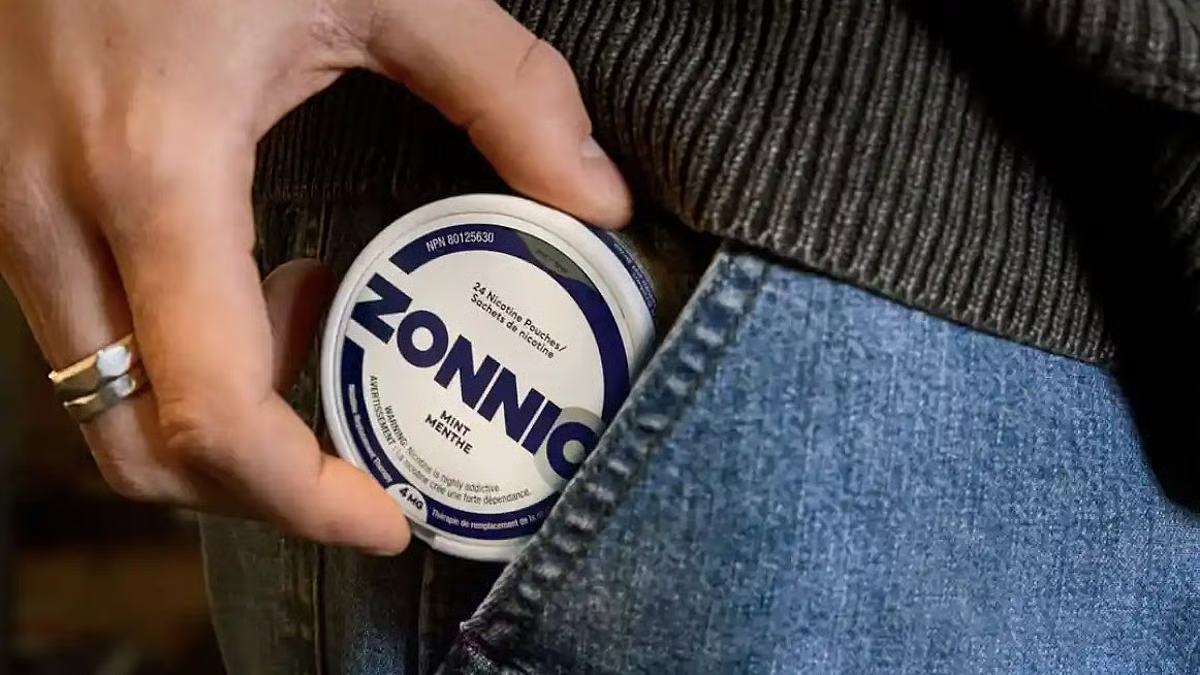
Canada's federal government is considering changes to current restrictions on where nicotine pouches can be sold, potentially allowing authorized products to return to convenience stores and other general retail channels, although no decision has been made. Since 2024, emerging nicotine replacement therapy products such as nicotine pouches have been largely restricted to behind-the-counter pharmacy sales. Health Canada, meanwhile, continues to recall unauthorized and higher-strength nicotine pouches, indicating that the current discussion concerns retail access for authorized products rather than a broad relaxation of nicotine pouch regulation.
Sep.14
U.S. Fifth Circuit Vacates NicQuid Vape MDO, Says FDA Comparative-Efficacy Standard Violated APA Procedures
According to VitalLaw on August 27, 2026, the U.S. Court of Appeals for the Fifth Circuit vacated an FDA marketing denial order (MDO) against NicQuid LLC, ruling that the agency’s comparative-efficacy standard for electronic nicotine delivery system (ENDS) applications had become a substantive rule requiring notice-and-comment rulemaking under the Administrative Procedure Act (APA). The court did not reject FDA’s authority to compare the public health benefits and risks of flavored vapes, but held that the agency could not establish a broadly binding standard through informal adjudications. The case was remanded to FDA for further proceedings.
Aug.28
Special Report | Altria Subsidiaries Sue FDA to Vacate 2021 PMTA Rule as Agency Moves to Speed Reviews
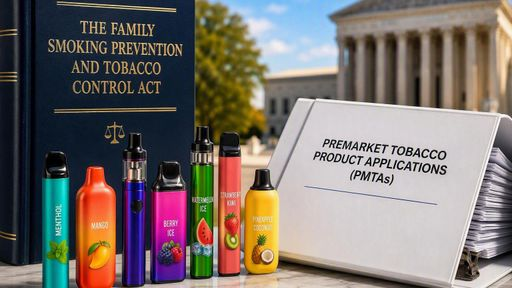
2Firsts reviewed the original federal court complaint filed by Altria subsidiaries Helix Innovations and NJOY on Sept. 2 challenging FDA’s 2021 PMTA rule. The lawsuit questions whether FDA’s review process complies with the Tobacco Control Act’s 180-day timeline, even as the agency moves to accelerate PMTA reviews and issues more marketing orders. Drawing on the complaint, FDA records, government audits and recent court rulings, 2Firsts examines the legal arguments, supporting evidence and potential implications for the U.S. tobacco review system.
Regulations
Sep.03
South Korea Vape Strategies Diverge as BAT Reconsiders Exit and PMI Takes VEEV to About 14,000 Stores
BAT Rothmans says it previously considered exiting South Korea's vaping market because of competitive pressure from unregulated products, but is now reassessing conditions following changes to the country's nicotine regulatory framework. Vuse and other BAT vaping products remain available through existing distribution channels. The statement followed a South Korean media report that interpreted BAT's broader withdrawal from selected Vapour markets as a full exit from South Korea. Meanwhile, Philip Morris International launched VEEV inPRIME in the country in June and began expanding distribution to around 14,000 convenience stores and other retail channels in July. The contrasting moves highlight differing investment strategies as South Korea's regulated vaping market evolves.
Aug.14
EU ‘TPD3’ Enters Next Phase on Aug. 14 as Fragmented Vape and Nicotine Pouch Rules Push the Single Market Toward Regulatory Overhaul
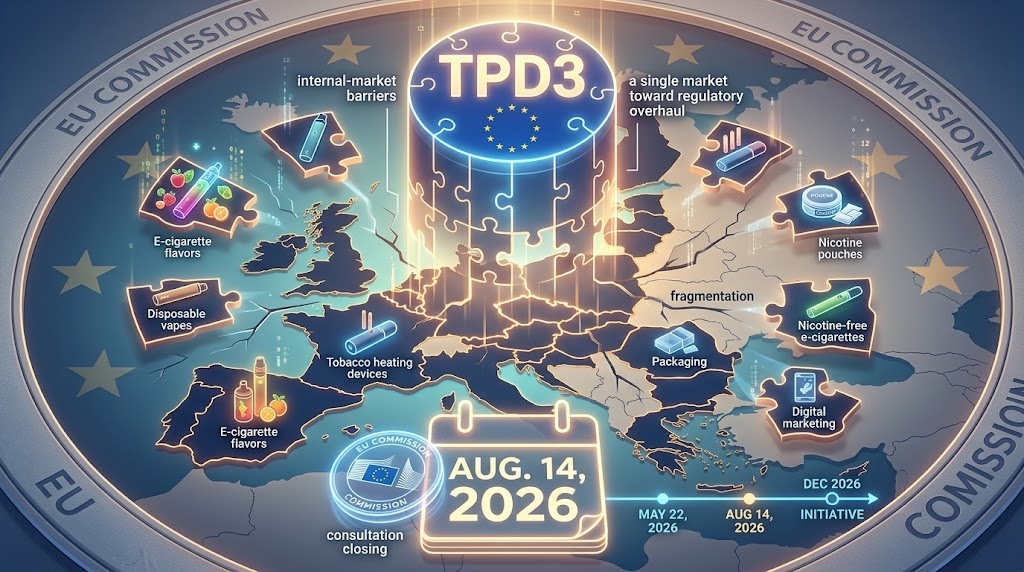
A 12-week European Commission consultation on revising the Tobacco Products Directive and Tobacco Advertising Directive is due to close on Aug. 14, 2026. The Commission has identified e-cigarette flavours, disposable vapes, tobacco heating devices, nicotine pouches, nicotine-free e-cigarettes, packaging and digital marketing among areas for possible new EU rules. National regulations already vary significantly across the bloc, a fragmentation the Commission says creates internal-market barriers and distorts competition. No formal revised TPD/TAD legislative text has yet been published, with the Commission currently indicating December 2026 for the legislative initiative.
Aug.14
STIIIZY Redesign Fails to Escape PAX Labs Patent Import Ban as Section 337 Case Also Involves China ALD
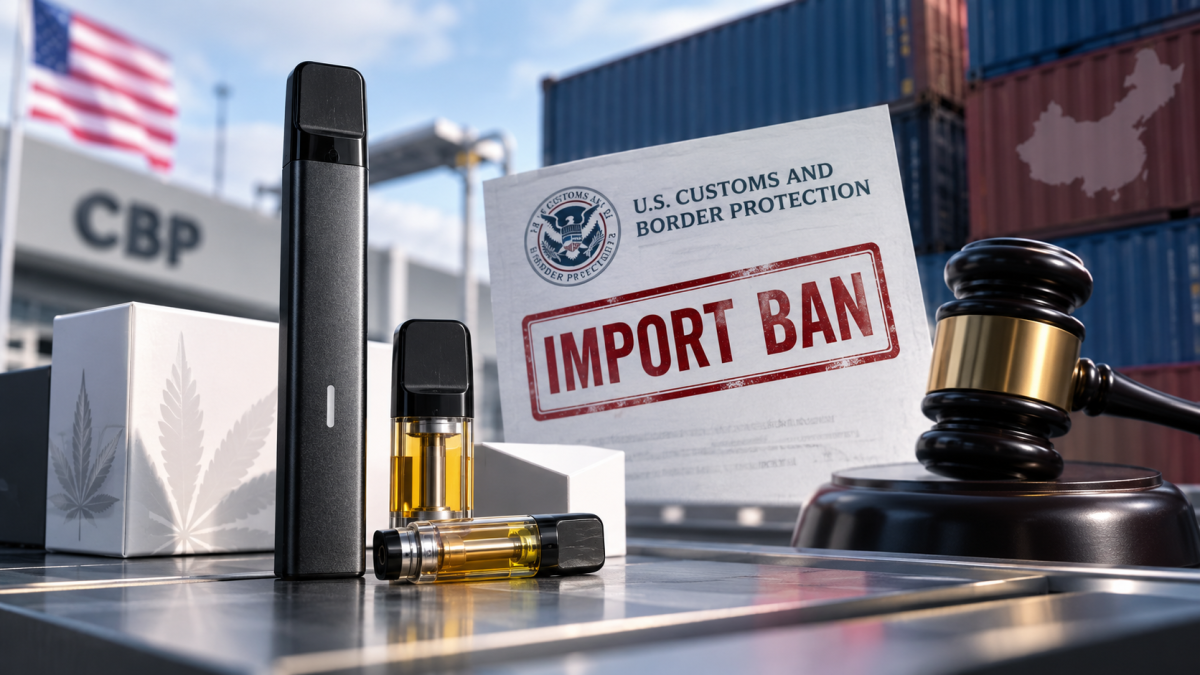
U.S. Customs and Border Protection ruled that STIIIZY had not shown that the redesigned cannabis-vape products covered by its latest request fall outside an ITC limited exclusion order tied to PAX Labs patents. CBP accepted some of STIIIZY’s claim-construction and non-infringement arguments, but the company did not address two additional claims in the same patent. Earlier STIIIZY redesigned cartridges and certain associated components imported with them had received separate CBP clearance.
Sep.16