Quick Take
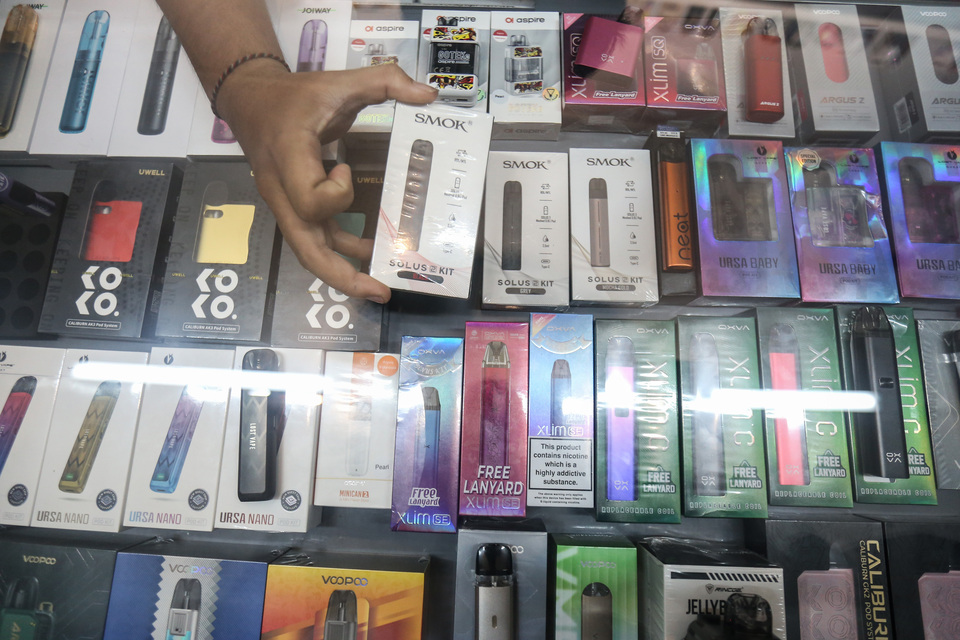
- Malaysia is moving ahead with a ban or restrictions on e-cigarettes and vaping products, which could take effect between mid-2026 and the end of the year; open pod systems may be targeted first.
- The head of Philip Morris Malaysia and Singapore urged policymakers to consider Japan’s approach, which allows alternatives such as heated tobacco products under law and applies differentiated excise taxes across product categories.
- Citing a Japan-based study, the report said cigarette volumes in Japan fell about 52.6%–52.7% from 2011 to 2023, while heated tobacco sales rose; overall nicotine consumption may not have declined in tandem.
- The report cited the view that an outright ban may push demand into unregulated channels, noting that illicit cigarettes are estimated to account for about 55% of Malaysia’s sales volume.
2Firsts, Feb 2, 2026
As Malaysia advances plans to ban or restrict e-cigarettes and vaping products, Naeem Shahab Khan, managing director of Philip Morris Malaysia and Singapore, urged the government to look to Japan’s approach and steer smokers toward other tobacco or nicotine products through a combination of legislation and tax policy rather than imposing an outright ban, Free Malaysia Today reported.
Japan, he said, ensures market access for alternatives such as heated tobacco products through legislation and applies differentiated tax rates across tobacco categories, setting different tax burdens based on product characteristics, according to the report.
On Malaysia’s policy timeline, the report said the ban or restrictions could be implemented as early as mid-2026 and no later than the end of the year, with open pod system products potentially the first to be prohibited.
The report also cited a study in Japan as saying total cigarette volumes declined about 52.6%–52.7% between 2011 and 2023, while heated tobacco sales increased over the same period. It added that a drop in cigarette consumption does not necessarily translate into a reduction in overall nicotine consumption, as some users may switch products rather than quit nicotine entirely.
In its discussion of potential regulatory consequences, the report cited the view that a ban may not eliminate demand and could instead shift consumption to unregulated channels. It added that illicit cigarettes are estimated to account for about 55% of Malaysia’s sales volume.
Cover image source: Free Malaysia Today