Key Points
- City: Kuala Lumpur, Malaysia
- Court timeline: Decision scheduled for May 15, 2026
- Applicants: Malaysian Council for Tobacco Control; Malaysian Green Lung Association; Voice of the Children
- Respondents: Health Minister and the Malaysian government
- Applicants’ claim: Delisting created a real-world deregulation window affecting youth protection
- Government’s claim: Minister lawfully exercised Section 6 Poisons Act 1952 powers; consultation held March 29, 2023; Act 852 now addresses control measures, making review unnecessary
2Firsts, Jan 30, 2026
According to Bernama, Malaysia’s High Court has set May 15, 2026, to deliver its ruling on a judicial review application filed by three non-governmental organisations (NGOs) challenging the government’s decision to exempt vape liquids and gels from the Poisons List. Judge Datuk Aliza Sulaiman fixed the date after hearing submissions from both sides in Kuala Lumpur.
The applicants—Malaysian Council for Tobacco Control, Malaysian Green Lung Association, and Voice of the Children—filed for judicial review on June 30, 2023. They are seeking declarations that the Poisons (Amendment of Poisons List) Order 2023, specifically the clause dated March 31, 2023 excluding vape liquids and gels, was irrational and that the exemption was introduced without proper and adequate consultation with the Poisons Board, rendering it ultra vires Section 6 of the Poisons Act 1952.
Counsel K. Shanmuga, representing the NGOs, argued that the March 31, 2023 delisting of liquid nicotine effectively deregulated vape products and, as a result, made it legal to sell them to children. He said this situation persisted for close to 17 months until the Control of Smoking Products for Public Health Act 2024 (Act 852) came into force in October 2024. He also contended the matter remains a live issue of public importance, with implications for public benefit and future conduct under the Poisons Act.
Senior federal counsel Nurhafizza Azizan, assisted by federal counsel Afiq Zainal Abidin, appeared for the respondents—the Health Minister and the government. She submitted that the Control of Smoking Products for Public Health Bill 2023 was tabled and passed by Parliament on Nov 30, 2023, and includes provisions prohibiting the sale and consumption of smoking products, tobacco products, and tobacco substitute products by minors. She argued the passage of the bill removed any legal gaps in controlling the sale and use of vapes and electronic cigarettes, particularly regarding minors.
Nurhafizza further submitted that then Health Minister Datuk Seri Dr Zaliha Mustafa lawfully exercised powers under Section 6 of the Poisons Act 1952 when amending the Poisons List, and that the required consultation with the Poisons Board took place on March 29, 2023. She maintained the decision was within the law and, given subsequent legislative developments, the judicial review application is now moot.
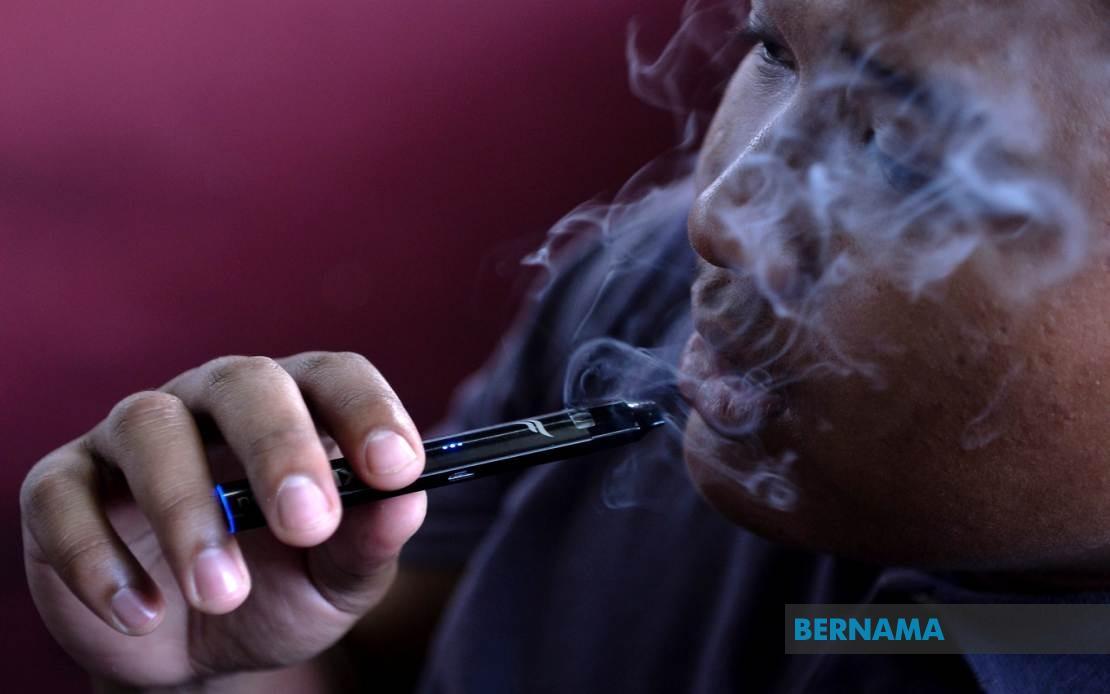
Photo source: Bernama
We welcome news tips, article submissions, interview requests, or comments on this piece.
Please contact us at info@2firsts.com, or reach out to Alan Zhao, CEO of 2Firsts, on LinkedIn
Notice
1. This article is intended solely for professional research purposes related to industry, technology, and policy. Any references to brands or products are made purely for objective description and do not constitute any form of endorsement, recommendation, or promotion by 2Firsts.
2. The use of nicotine-containing products — including, but not limited to, cigarettes, e-cigarettes, nicotine pouchand heated tobacco products — carries significant health risks. Users are responsible for complying with all applicable laws and regulations in their respective jurisdictions.
3. This article is not intended to serve as the basis for any investment decisions or financial advice. 2Firsts assumes no direct or indirect liability for any inaccuracies or errors in the content.
4. Access to this article is strictly prohibited for individuals below the legal age in their jurisdiction.
Copyright
This article is either an original work created by 2Firsts or a reproduction from third-party sources with proper attribution. All copyrights and usage rights belong to 2Firsts or the original content provider. Unauthorized reproduction, distribution, or any other form of unauthorized use by any individual or organization is strictly prohibited. Violators will be held legally accountable.
For copyright-related inquiries, please contact: info@2firsts.com
AI Assistance Disclaimer
This article may have been enhanced using AI tools to improve translation and editorial efficiency. However, due to technical limitations, inaccuracies may occur. Readers are encouraged to refer to the cited sources for the most accurate information.
We welcome any corrections or feedback. Please contact us at: info@2firsts.com