Key Points
- Phased ban: Open-system vapes first, then all vape products.
- Policy timeline: Cabinet paper to be tabled; details on “when we ban” to follow.
- Market size: RM3.48 billion in 2023—over 50% growth from 2019.
- User base: GATS estimates 1.4 million adult e-cigarette users in Malaysia.
- Cross-border factor: Johor’s active market; Singapore seized ~90,000 vape items Apr–Jun amid tougher checks.
- Industry reaction: Retailers warn of a bigger black market; suggest allowing MoH-approved products in licensed shops.
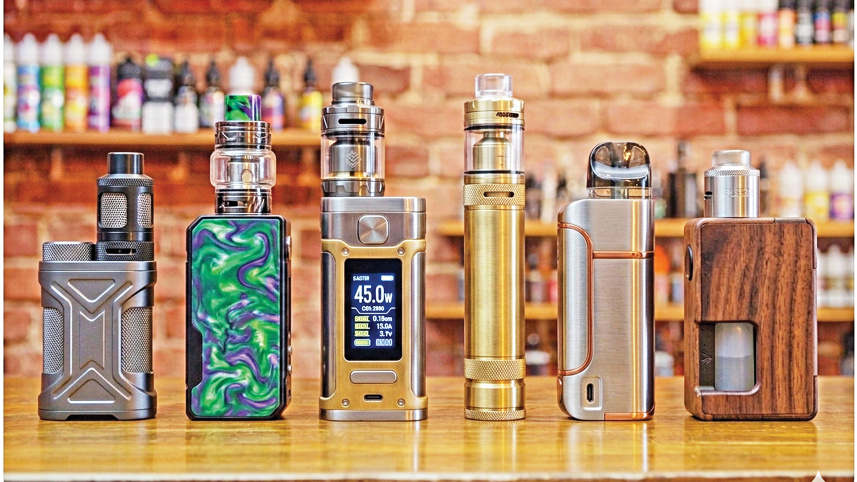
2Firsts, Sept 12, 2025 — Citing The Straits Times, Malaysia’s Health Minister Dzulkefly Ahmad said the government will implement a nationwide vape ban in stages: the first phase targets open-system vapes (reusable devices that can be manually refilled with any liquid or substance), followed by a gradual expansion to all vape product types. In written replies to Parliament on Sept 9–10, he noted that authorities are reviewing existing controls and drafting a more comprehensive public-health policy. Speaking to media on Sept 11, he added that a national ban is “no longer if, but when,” with further details to be announced.
Despite tightening policy signals, Malaysia’s vape industry has continued to expand. According to the Malaysian Vape Chamber of Commerce, the market grew from RM2.27 billion (2019) to RM3.48 billion (2023). The 2023 Global Adult Tobacco Survey (GATS) estimates that, in a population of 34.2 million, about 1.4 million adults use e-cigarettes.
Cross-border dynamics are also in focus. Johor has frozen vape licences since 2016, yet the market remains active and is viewed as a key supply line to Singapore, where vaping is fully banned. Previous reports indicated Singapore customers ordered devices and e-liquids from Malaysian online sellers with pickup in Johor Bahru. From April to June, Singapore authorities uncovered 19 major smuggling cases, seizing ~90,000 vapes and related items; more than 3,700 people were caught possessing or using vapes (up nearly 20% quarter-on-quarter and above the same period in 2024).
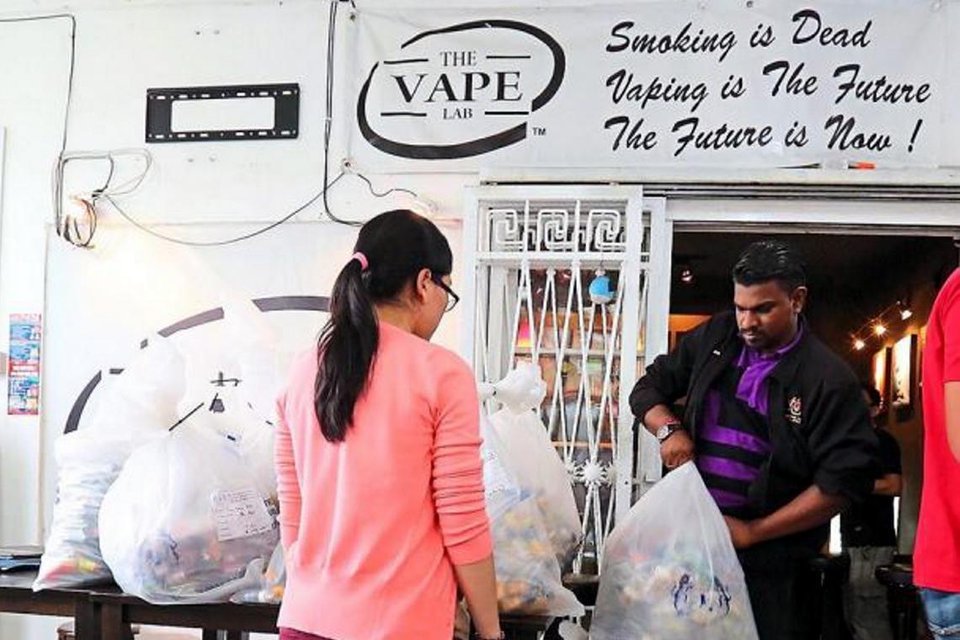
Industry groups expressed strong concerns about a total ban. MRECA president Adzwan Ab Manas warned that prohibition could push trade underground, exposing consumers to illicitly mixed products and higher addiction risks. He urged targeted enforcement against drug-laced products and proposed allowing MoH-approved vapes to be sold in licensed outlets. A Klang Valley retailer, Mr. Mohamad, questioned enforcement practicality and drew comparisons with alcohol and cigarettes, arguing that a full ban could fuel the black market.
We welcome news tips, article submissions, interview requests, or comments on this piece.
Please contact us at info@2firsts.com, or reach out to Alan Zhao, CEO of 2Firsts, on LinkedIn
Notice
1. This article is intended solely for professional research purposes related to industry, technology, and policy. Any references to brands or products are made purely for objective description and do not constitute any form of endorsement, recommendation, or promotion by 2Firsts.
2. The use of nicotine-containing products — including, but not limited to, cigarettes, e-cigarettes, nicotine pouchand heated tobacco products — carries significant health risks. Users are responsible for complying with all applicable laws and regulations in their respective jurisdictions.
3. This article is not intended to serve as the basis for any investment decisions or financial advice. 2Firsts assumes no direct or indirect liability for any inaccuracies or errors in the content.
4. Access to this article is strictly prohibited for individuals below the legal age in their jurisdiction.
Copyright
This article is either an original work created by 2Firsts or a reproduction from third-party sources with proper attribution. All copyrights and usage rights belong to 2Firsts or the original content provider. Unauthorized reproduction, distribution, or any other form of unauthorized use by any individual or organization is strictly prohibited. Violators will be held legally accountable.
For copyright-related inquiries, please contact: info@2firsts.com
AI Assistance Disclaimer
This article may have been enhanced using AI tools to improve translation and editorial efficiency. However, due to technical limitations, inaccuracies may occur. Readers are encouraged to refer to the cited sources for the most accurate information.
We welcome any corrections or feedback. Please contact us at: info@2firsts.com