Malaysia's Mivas-cigarette Exhibition: Exploring Unique E-cigarette Business Models

Aug.14.2023
Malaysia's Mivas-cigarette Exhibition: Exploring Unique E-cigarette Business Models
Malaysia's Mavise-Cigarette exhibition attracted 40 exhibitors, showcasing unique businesses combining e-cigarette shops with various establishments.

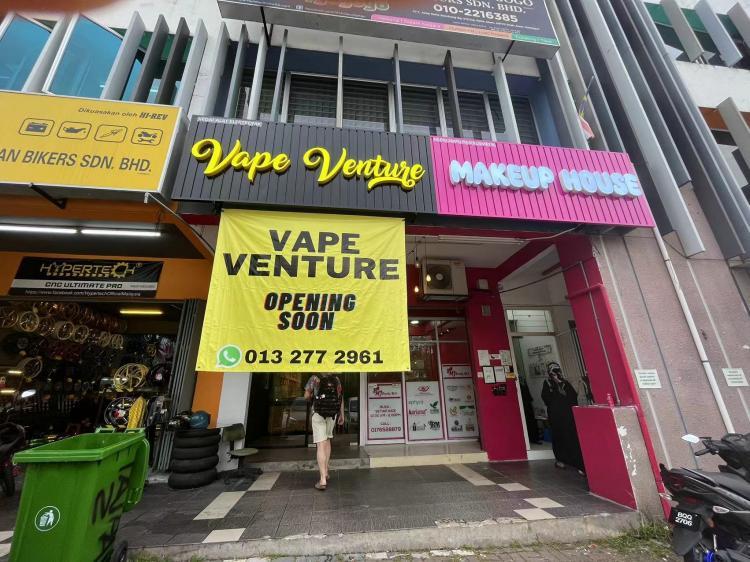
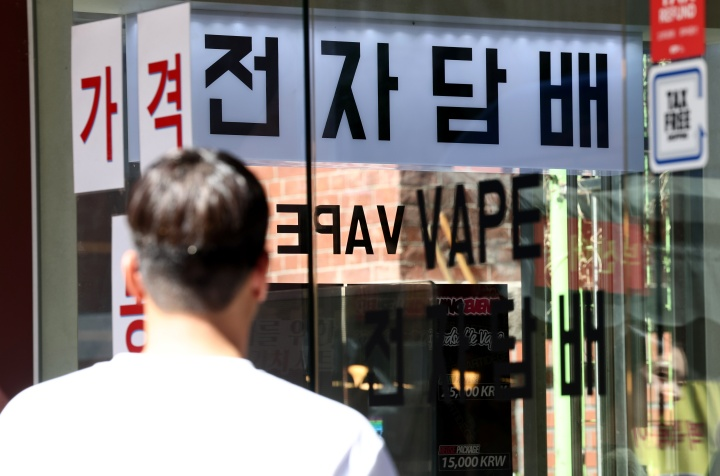
The two-day Malaysian Mavise-cigarette exhibition took place on August 12th at the Mines Convention Center in Selangor. The event attracted a total of 40 exhibitors. Prior to the e-cigarette exhibition, 2FIRSTS conducted a survey of the Malaysian e-cigarette market and discovered unique combinations of e-cigarette shops with shoe stores, barber shops, toy stores, and more, appearing on every street in Malaysia. Hafiidzzul, the Chief Operating Officer of Mivas City, the organizer of the Malaysian Mavise-cigarette exhibition, explained that this phenomenon is a result of e-cigarettes being previously illegal in Malaysia, with e-cigarette businesses only being able to operate legally by forming partnerships with other legal businesses.


Disclaimer

This article is provided solely for professional research, industry discussion, and informational purposes. Any references to brands, companies, products, technologies, or policies are made for factual reporting and analytical purposes only, and do not constitute endorsement, recommendation, promotion, or advertising by 2Firsts.

Nicotine-containing products, including but not limited to cigarettes, e-cigarettes, heated tobacco products, and nicotine pouches, carry significant health risks. Readers are responsible for complying with all applicable laws and regulations in their respective jurisdictions, including age restrictions and access limitations.

The information contained in this article should not be regarded as investment, legal, medical, regulatory, or commercial advice. While 2Firsts strives to ensure the accuracy and reliability of its content, it does not assume liability for any direct or indirect loss arising from errors, omissions, inaccuracies, or reliance on the information contained herein.

This article is not intended for individuals below the legal age for accessing tobacco or nicotine-related information in their jurisdiction.


Copyright Notice

This article is either original content produced by 2Firsts or content reproduced, translated, summarized, or adapted from third-party sources with attribution where applicable. The intellectual property rights of the original content remain with 2Firsts or the respective original rights holders.

No individual or organization may copy, reproduce, distribute, republish, modify, translate, or otherwise use this content without prior authorization. Any unauthorized use may result in legal action.

For copyright-related inquiries, corrections, or removal requests, please contact: info@2firsts.com.


AI-Assisted Translation and Editing Notice

Portions of this article may have been translated, edited, or reviewed with the assistance of artificial intelligence tools to improve efficiency and readability. Due to the limitations of AI-assisted translation and editing, discrepancies, omissions, or inaccuracies may exist when compared with the original source.

Where applicable, readers are advised to refer to the original source for the most complete and accurate information. If you identify any errors or believe that any content infringes upon your rights, please contact us at info@2firsts.com, and we will review and address the matter promptly.

JT’s Ploom Volumes Rise 43.5% as Cigarettes Anchor Its Transition
JT’s Ploom heated-tobacco volumes rose 43.5% in the first half of 2026, while combustibles still represented about 97% of its tobacco volume and remained the main earnings base. In Japan, reduced-risk products now account for 48.7% of industry shipments, shifting competition from category adoption towards brand share, pricing and consumer retention. JT’s results offer a revealing case of a traditional tobacco company pursuing a prolonged, dual-track transformation.
JTI
Jul.30
KT&G’s Lil Strengthens Market Lead in Korea as Heated Tobacco Share Reaches 47.4%
According to South Korea’s UpKorea, KT&G’s heated tobacco brand Lil reached a 47.4% share of Korea’s heated tobacco stick market in the first quarter of 2026. The company is expanding its next-generation products (NGP) business through product development, technology investment and overseas growth. KT&G reported NGP sales of 890.1 billion won (approximately US$650 million) in 2025, up significantly from 279.3 billion won in 2020. Lil products are now available in 34 markets, while KT&G continues building its technology portfolio through patents and multiple product platforms.
Jul.23
U.S. Appeals Court Says BAT Must Face Class Action Over Cigarette Labels
A U.S. appeals court ruled that British American Tobacco (BAT) must continue facing a consumer class action lawsuit over cigarette labels. The ruling allows the case to proceed but does not determine that BAT violated the law or is liable for damages. The case highlights ongoing legal risks facing major tobacco companies related to product labeling, consumer disclosures and product liability claims.
Jul.31
Italy and Greece Oppose Ireland’s Nicotine Product Bill, Raising EU Regulatory Concerns
Italy and Greece have opposed Ireland’s proposed nicotine product regulations, arguing that the measures could affect EU market coordination and the free movement of products. Ireland plans to introduce stricter rules covering nicotine products including vapes and nicotine pouches, with measures involving packaging, marketing and sales controls. The dispute highlights differences among EU member states between stronger public health protections and maintaining regulatory consistency within the bloc’s single market.
Jul.29
Illegal Vape Sellers Still Use TikTok and Other Platforms to Drive Sales Despite Australia’s Ad Ban
Illegal vape sellers are still promoting nicotine products on TikTok, Instagram and YouTube despite Australia’s 2024 advertising ban, while illicit tobacco sales are increasingly moving from physical stores to online marketplaces.
Jul.15
Malaysia Police Plan Saliva Tests at Roadblocks to Detect Synthetic Drugs Mixed Into Vape Liquids
Malaysian police plan to use saliva test kits at roadblocks to detect drivers using synthetic liquid drugs marketed as “Piu Piu” and “Magic Mushroom,” substances that authorities say are mixed into vape liquids and inhaled through e-cigarette devices, raising road-safety concerns and adding pressure on vape regulation.
Jun.29