Malaysia's Move organization pushes to exclude e-cigarettes from GEG policy

Aug.08.2022
Malaysia's Move organization pushes to exclude e-cigarettes from GEG policy
Malaysia's e-cigarette organization pushes to exclude their products from the GEG policy, claiming they can help smokers quit.

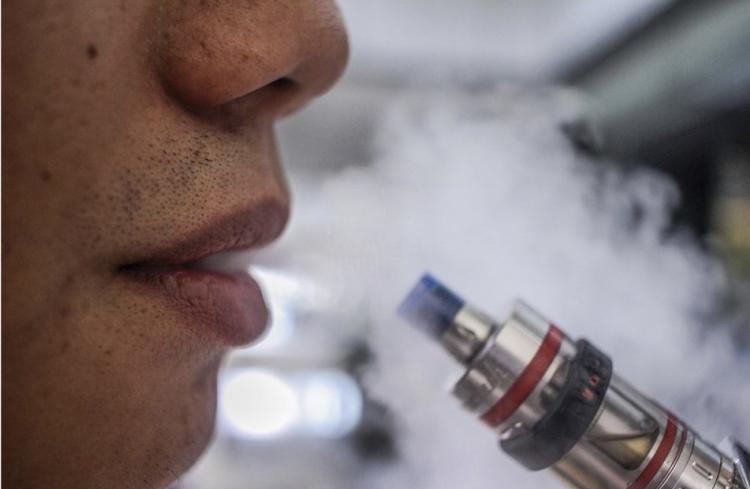
Samsul Kamal Arifin Mohd Basir, the chairman of a physical organization for electronic cigarettes in Malaysia, has stated that electronic cigarettes are used by those trying to quit smoking and are considered safer according to scientific research. This information was reported in a photo archive by Malaysia Insight on August 8th, 2022.


Electronic cigarette vendors are urging the government to exempt their tools (e-cigarettes) and products from proposed laws aimed at ending smoking in the Generation Endgame (GEG) policy.


The organization representing sellers, Move - a physical entity for electronic cigarettes in Malaysia, is advocating for exemption because they believe their products and devices can actually assist smokers in quitting.


Statement:


This article is compiled based on third-party information and is only intended for industry communication and learning.


This article does not represent the views of 2FIRSTS, and 2FIRSTS cannot confirm the truthfulness or accuracy of the article's content. The translation of this article is only intended for industry exchange and research purposes.


Due to limitations in our ability to translate, the translated article may not accurately reflect the original text. Please refer to the original article for accuracy.


2FIRSTS maintains complete alignment with the Chinese government on all domestic, Hong Kong, Macao, Taiwan, and foreign-related statements and positions.


The copyright of the compiled information belongs to the original media and author. If there is any infringement, please contact us to have it removed.


Disclaimer

This article is provided solely for professional research, industry discussion, and informational purposes. Any references to brands, companies, products, technologies, or policies are made for factual reporting and analytical purposes only, and do not constitute endorsement, recommendation, promotion, or advertising by 2Firsts.

Nicotine-containing products, including but not limited to cigarettes, e-cigarettes, heated tobacco products, and nicotine pouches, carry significant health risks. Readers are responsible for complying with all applicable laws and regulations in their respective jurisdictions, including age restrictions and access limitations.

The information contained in this article should not be regarded as investment, legal, medical, regulatory, or commercial advice. While 2Firsts strives to ensure the accuracy and reliability of its content, it does not assume liability for any direct or indirect loss arising from errors, omissions, inaccuracies, or reliance on the information contained herein.

This article is not intended for individuals below the legal age for accessing tobacco or nicotine-related information in their jurisdiction.


Copyright Notice

This article is either original content produced by 2Firsts or content reproduced, translated, summarized, or adapted from third-party sources with attribution where applicable. The intellectual property rights of the original content remain with 2Firsts or the respective original rights holders.

No individual or organization may copy, reproduce, distribute, republish, modify, translate, or otherwise use this content without prior authorization. Any unauthorized use may result in legal action.

For copyright-related inquiries, corrections, or removal requests, please contact: info@2firsts.com.


AI-Assisted Translation and Editing Notice

Portions of this article may have been translated, edited, or reviewed with the assistance of artificial intelligence tools to improve efficiency and readability. Due to the limitations of AI-assisted translation and editing, discrepancies, omissions, or inaccuracies may exist when compared with the original source.

Where applicable, readers are advised to refer to the original source for the most complete and accurate information. If you identify any errors or believe that any content infringes upon your rights, please contact us at info@2firsts.com, and we will review and address the matter promptly.


JTI Research Finds 31% of UK Respondents Offered Illicit Tobacco, While 63% of Ennis Packs Lack Duty Marks
Multiple JTI-backed studies in the UK and Ireland indicate that illicit tobacco remains visible across consumer interactions and local markets. In the UK, JTI research found that 31% of respondents said they had been offered illicit tobacco products. In Ireland’s Ennis area, a JTI-commissioned empty pack survey found that 63% of sampled cigarette packs did not carry Irish duty-paid markings. The findings come from industry research rather than official government estimates of illicit tobacco market size, but highlight continued concerns among regulators, legitimate retailers and tobacco companies over illicit trade.
Aug.19
South Korea Vape Strategies Diverge as BAT Reconsiders Exit and PMI Takes VEEV to About 14,000 Stores
BAT Rothmans says it previously considered exiting South Korea's vaping market because of competitive pressure from unregulated products, but is now reassessing conditions following changes to the country's nicotine regulatory framework. Vuse and other BAT vaping products remain available through existing distribution channels. The statement followed a South Korean media report that interpreted BAT's broader withdrawal from selected Vapour markets as a full exit from South Korea. Meanwhile, Philip Morris International launched VEEV inPRIME in the country in June and began expanding distribution to around 14,000 convenience stores and other retail channels in July. The contrasting moves highlight differing investment strategies as South Korea's regulated vaping market evolves.
Aug.14
Australia’s Tobacco Tax Debate Intensifies as One Nation’s Barnaby Joyce Warns of Illicit Market Growth
Australian One Nation MP Barnaby Joyce has criticised continued tobacco excise increases, arguing that higher taxes are driving consumers toward illicit tobacco markets and benefiting organised crime groups.
Regulations
Jul.13 by 2Firsts Perspectives
Russia Adds Vapes to “Strategic Goods” List, Illegal Cross-Border Trade Faces Up to Five Years in Prison
Russia will place e-cigarettes and related nicotine products under its “strategic goods” framework from August 20, 2026. According to TVP World’s report published on August 19, the newly listed items include e-cigarettes, electronic smoking devices, vape liquids and nicotine salts. Individuals who illegally move these products across Russia’s customs border or its state border with other Eurasian Economic Union (EAEU) members could face up to five years in prison if shipment values exceed 100,000 rubles (about €1,000), provided all elements of a criminal offence are established.
Aug.20
Former ATF Official’s Claims on Chinese Vape Companies and 6-Methyl Nicotine Fuel US Regulatory Debate
Former ATF Deputy Director Edgar Domenech has warned that some Chinese vape companies may be using 6-methyl nicotine, a nicotine analogue, raising new questions over how US regulators should classify emerging nicotine compounds.
Jul.13
Science | International Experts Propose a New Smoking Cessation Pathway, Citing Higher Quit Rates With E-Cigarettes Than Nicotine Replacement Therapy
A new expert paper in JAMA urges U.S. clinicians to include nicotine e-cigarettes in smoking-cessation discussions, citing higher quit rates than nicotine replacement therapy. It also stresses that products must deliver enough nicotine to replace cigarettes, dual use should be brief, and complete switching is the goal. 2Firsts argues the recommendations matter beyond clinics: public-health professionals should reassess relative risk, regulators should preserve sufficient product appeal for adult smokers, and manufacturers should focus on helping users quit cigarettes more sustainably.
SCIENCE
Aug.03 by 2Firsts Perspectives