Key Takeaways
- A study covering nearly 2,500 university students in Hanoi, Da Nang, Hue, and Ho Chi Minh City found the average age of first use of e-cigarettes and heated tobacco products was 16.90.
- The survey found that 14.00% of students had tried e-cigarettes and 3.00% were current users, while the corresponding figures for heated tobacco were 6.00% and 0.80%.
- More than 62.00% of students believed e-cigarettes and heated tobacco products help people quit conventional cigarettes.
- In a survey of 126 retail outlets, 64.30% had closed, but nearly 35.00% had shifted to online sales.
- 39.00% of students said they had been exposed to e-cigarette or heated tobacco advertising in the past 30 days, mainly through Facebook, TikTok, Google, and YouTube.
2Firsts, April 10, 2026
According to Vnexpress, a study covering nearly 2,500 university students in Hanoi, Da Nang, Hue, and Ho Chi Minh City found that the average age of first use of e-cigarettes and heated tobacco products was 16.90.
Study says 14.00% of students had tried e-cigarettes
The findings were announced on April 9 at a workshop in Hanoi on violations of bans on the sale, advertising, and promotion of e-cigarettes and heated tobacco at retail outlets, as well as adult exposure to advertising and promotion of new tobacco products in 2025. The event was organized by the University of Public Health.
The research found that about 14.00% of students had tried e-cigarettes and 3.00% were current users. For heated tobacco, the figures were 6.00% and 0.80%, respectively.
In addition, more than 62.00% of students believed that e-cigarettes and heated tobacco help people quit conventional cigarettes.
The study also found that many young people believe these products do not contain nicotine or are not harmful to health. Trần Thị Phương Thảo, representing the research team, said 37.00% of students believed e-cigarettes do not contain nicotine, while 15.00% said the aerosol is only “harmless water vapor.”
The study also found that 43.00% of students believed vaping helps people quit traditional smoking, and 32.00% believed secondhand aerosol is safe.
Online sales and advertising exposure remain widespread
Associate Professor Lê Thị Thanh Hương, vice rector of the University of Public Health, said that after tighter regulations on the sale and use of e-cigarettes were introduced, a survey of 126 retail outlets found that 64.30% had closed. However, she said the business had not disappeared and had instead shifted to more sophisticated forms.
Among the outlets surveyed, nearly 35.00% had moved to online sales.
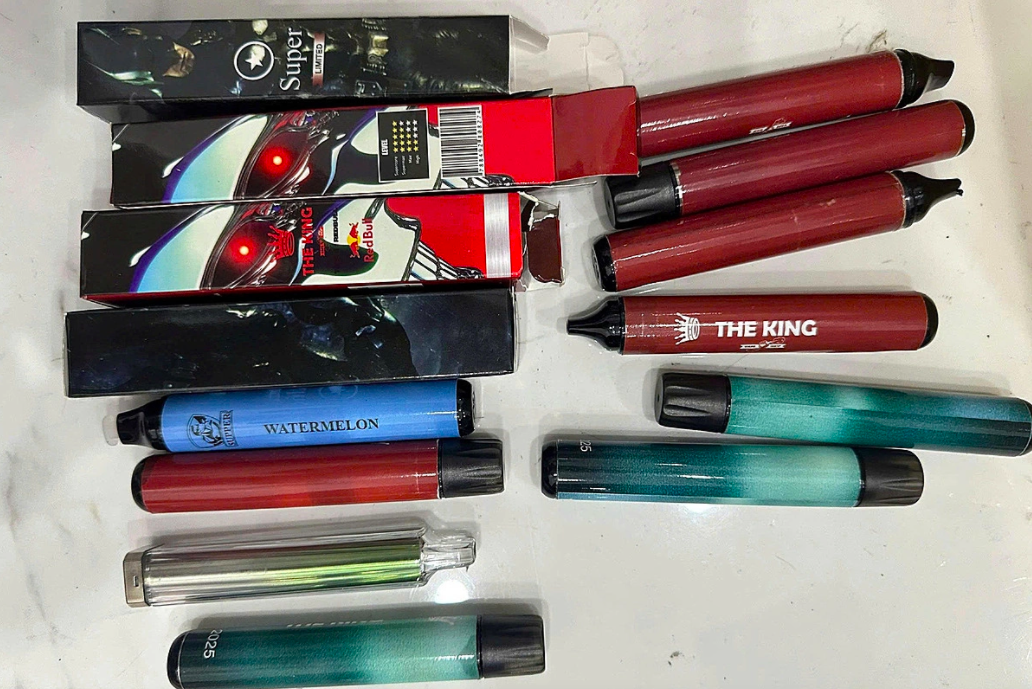
The report said sellers were using disguised product labels on e-commerce platforms, such as “shaver,” “air freshener spray oil,” and “electric toothbrush head,” while actually selling e-cigarettes.
The survey also found that 39.00% of students had still been exposed to advertising for e-cigarettes or heated tobacco in the past 30 days.
Their main channels of exposure were Facebook at 65.00%, TikTok at nearly 49.00%, Google at 48.00%, and YouTube at 35.00%.
Researchers say the internet has become a key channel for promotion
Lê Thị Thanh Hương said that after direct sales activity was restricted, businesses and sellers had adapted by strengthening their online presence and using social media, search platforms, and other forms of online promotion to maintain access to users.
Bùi Thị Thu Giang of Campaign for Tobacco-Free Kids said international research shows that global tobacco companies are using Facebook, Instagram, TikTok, and other platforms to promote new tobacco products. She said that from 2018 to 2025, advertising content for three representative products generated 3.40 billion impressions across more than 60 countries and reached about 385.00 million accounts, mainly on Instagram.
Of those viewers, 40.00% were under age 25, including about 150.00 million adolescents and 16.00 million people under age 18.
The research team said the findings reflect current conditions and show new challenges in enforcing bans on online tobacco advertising, promotion, and marketing. It added that policies should continue to be improved, while monitoring and law enforcement should be strengthened.
The team also said communication efforts are needed to change smoking-related perceptions and behavior in order to protect public health, especially among adolescents and children.
Image source: Vnexpress
We welcome news tips, article submissions, interview requests, or comments on this piece.
Please contact us at info@2firsts.com, or reach out to Alan Zhao, CEO of 2Firsts, on LinkedIn
Notice
1. This article is intended solely for professional research purposes related to industry, technology, and policy. Any references to brands or products are made purely for objective description and do not constitute any form of endorsement, recommendation, or promotion by 2Firsts.
2. The use of nicotine-containing products — including, but not limited to, cigarettes, e-cigarettes, nicotine pouchand heated tobacco products — carries significant health risks. Users are responsible for complying with all applicable laws and regulations in their respective jurisdictions.
3. This article is not intended to serve as the basis for any investment decisions or financial advice. 2Firsts assumes no direct or indirect liability for any inaccuracies or errors in the content.
4. Access to this article is strictly prohibited for individuals below the legal age in their jurisdiction.
Copyright
This article is either an original work created by 2Firsts or a reproduction from third-party sources with proper attribution. All copyrights and usage rights belong to 2Firsts or the original content provider. Unauthorized reproduction, distribution, or any other form of unauthorized use by any individual or organization is strictly prohibited. Violators will be held legally accountable.
For copyright-related inquiries, please contact: info@2firsts.com
AI Assistance Disclaimer
This article may have been enhanced using AI tools to improve translation and editorial efficiency. However, due to technical limitations, inaccuracies may occur. Readers are encouraged to refer to the cited sources for the most accurate information.
We welcome any corrections or feedback. Please contact us at: info@2firsts.com