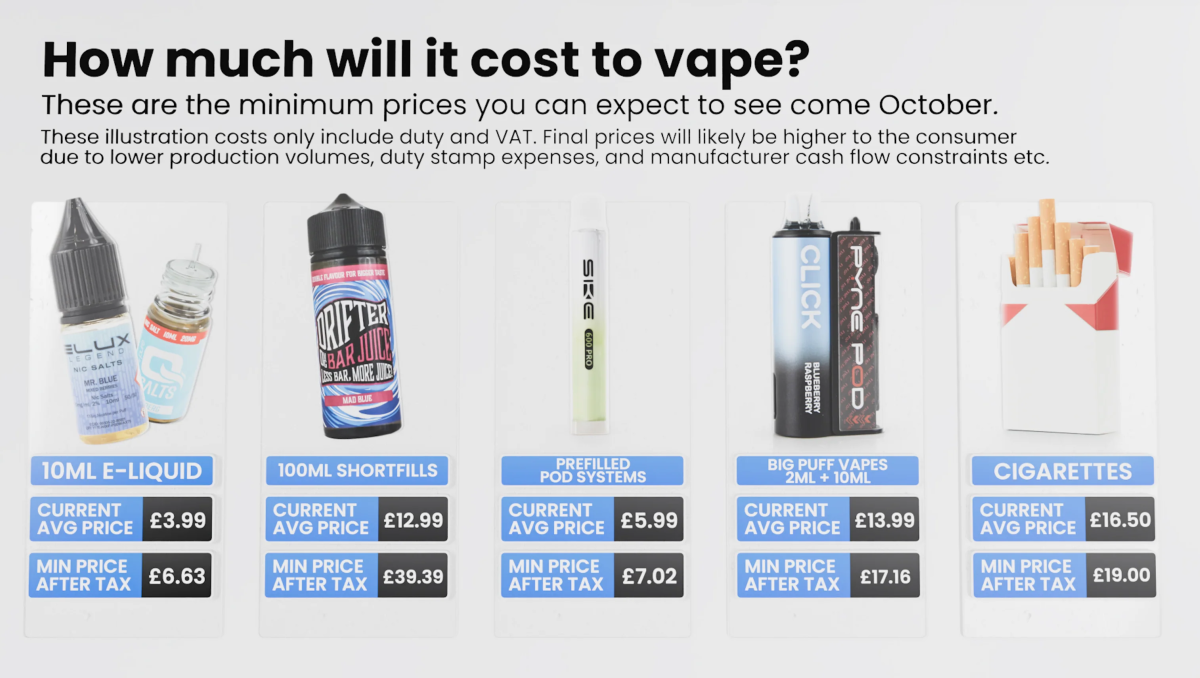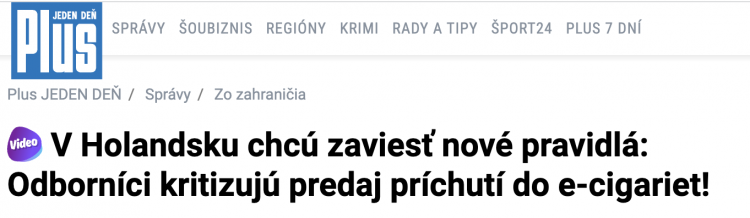
The Dutch government is planning to ban the sale of fruit and other flavored e-cigarettes starting from October next year. The announcement was made by the Dutch public service television broadcaster, NOS, on Thursday, according to TASS news agency.
Starting in October 2023, sweeteners in e-cigarettes will no longer be available for sale. According to experts specializing in youth, the sweeteners increase the smoking of e-cigarettes. Tobacco flavors will still be available. The ban was first announced by the government in 2000 and will take effect at the end of next year.
In addition, packaging of additives will no longer be allowed to use photos or terms containing anything other than tobacco in the product. For example, slogans like "fuelling the bad guys" will not be permitted.
This ban complies with the 2014 EU directive on health warnings for electronic cigarettes. The directive introduced a mandatory indication that they contain nicotine and should not be used by non-smokers.
Packaging leaflets must include a list of product ingredients, nicotine content, packaging information, instructions for use, potential side effects, at-risk populations, habit and toxicity information. Advertising elements are not allowed on the packaging.
According to a report from DutchNews.nl, Esther Croes from the Utrecht Trimbos clinic has stated that this is a step in the right direction.
According to Cross, "The sweetness makes e-cigarettes and their smoke particularly attractive to young people." Sellers claim that e-cigarettes help people quit smoking, but this is not based on reliable facts.
Elon Musk told Green, "Oh, the President sent me a terrifying message in response to my tweet.
On the contrary, a study by Trimbos in 2020 revealed that 27% of adolescents aged 12 to 16 and 44% of vocational and higher education students have experimented with e-cigarettes.
2FIRSTS will continue to provide ongoing coverage of this issue, with updates to be featured on the "2FIRSTSAPP." Scan the QR code below to download the app.
Disclaimer
This article is provided solely for professional research, industry discussion, and informational purposes. Any references to brands, companies, products, technologies, or policies are made for factual reporting and analytical purposes only, and do not constitute endorsement, recommendation, promotion, or advertising by 2Firsts.
Nicotine-containing products, including but not limited to cigarettes, e-cigarettes, heated tobacco products, and nicotine pouches, carry significant health risks. Readers are responsible for complying with all applicable laws and regulations in their respective jurisdictions, including age restrictions and access limitations.
The information contained in this article should not be regarded as investment, legal, medical, regulatory, or commercial advice. While 2Firsts strives to ensure the accuracy and reliability of its content, it does not assume liability for any direct or indirect loss arising from errors, omissions, inaccuracies, or reliance on the information contained herein.
This article is not intended for individuals below the legal age for accessing tobacco or nicotine-related information in their jurisdiction.
Copyright Notice
This article is either original content produced by 2Firsts or content reproduced, translated, summarized, or adapted from third-party sources with attribution where applicable. The intellectual property rights of the original content remain with 2Firsts or the respective original rights holders.
No individual or organization may copy, reproduce, distribute, republish, modify, translate, or otherwise use this content without prior authorization. Any unauthorized use may result in legal action.
For copyright-related inquiries, corrections, or removal requests, please contact: info@2firsts.com.
AI-Assisted Translation and Editing Notice
Portions of this article may have been translated, edited, or reviewed with the assistance of artificial intelligence tools to improve efficiency and readability. Due to the limitations of AI-assisted translation and editing, discrepancies, omissions, or inaccuracies may exist when compared with the original source.
Where applicable, readers are advised to refer to the original source for the most complete and accurate information. If you identify any errors or believe that any content infringes upon your rights, please contact us at info@2firsts.com, and we will review and address the matter promptly.