The New Zealand parliament today passed amendments to the Smoke-free Environments and Regulated Products (Vaping) Act, with expectations that it will gradually phase out the use of combustible tobacco products in the country.
Today, history has been made for several generations of families who have lost loved ones to preventable diseases caused by tobacco use in public health," said Laurent Huber, the Executive Director of Action on Smoking and Health (ASH). "New Zealand has demonstrated the potential for single-handedly changing tobacco laws and we are ready to help other jurisdictions to follow their pioneering lead.
According to a news release, this concept is referred to as "Smoke-Free Generation," or SFG, and can also be described as a sales ban with grandfather clauses for current adult smokers.
New Zealand will become the third government to pass such legislation, following the Philippines' Balangiga (which was unable to implement the law due to litigation) and Brookline, Massachusetts, which implemented a similar law ("Smokefree Generation") in January 2021 and successfully defended against industry lawsuits in October 2022.
Unlike New Zealand, Balanga City and Brookline have banned the sale of all tobacco products, including e-cigarettes and nasal snuff, to anyone born in this century, instead of focusing solely on combustible products. This is being described as a more comprehensive approach to tobacco control.
It is important to emphasize that the Tobacco-Free Generation Act only applies to the sale of combustible tobacco," said Huber of ASH, who has long supported SFG. "The law does not prohibit individuals from purchasing, owning, or using - or engaging in smoking behavior. The issue here is the tobacco industry, not their victims.
The second step of the law is to significantly reduce the number of retailers - researchers estimate that the final reduction may be as high as 95%. Finally, according to the press release, the new law includes lowering the nicotine content in cigarettes to below addictive levels.
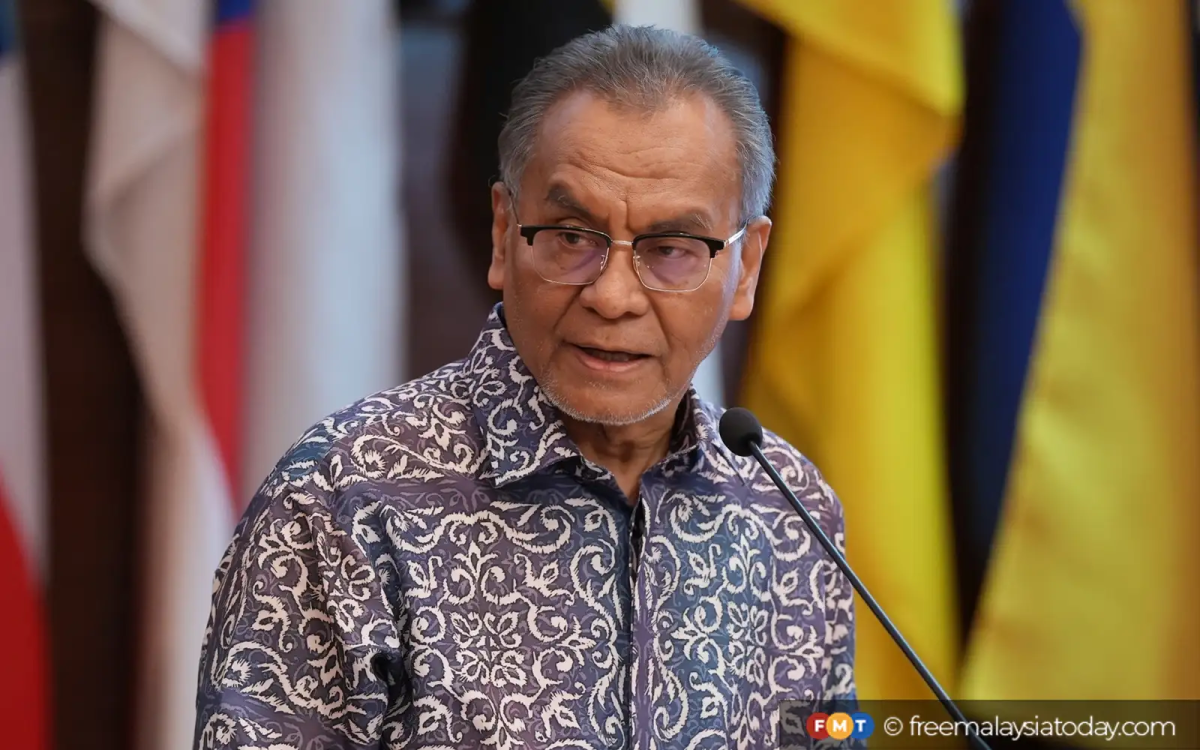
According to a report from the South China Morning Post, Hong Kong's Secretary for Food and Health, Sophia Chan Siu-chee, has confirmed that a ban on selling tobacco to future generations will be implemented as a tool to further reduce youth smoking. Malaysia's government is also pushing for a bill to ban the use of electronic cigarettes and smoking for those born after 2007, despite opposition from some lawmakers.
2FIRSTS will continue to report on this topic and provide updates on our mobile app, '2FIRSTSAPP'. Scan the QR code below to download the app.
Disclaimer
This article is provided solely for professional research, industry discussion, and informational purposes. Any references to brands, companies, products, technologies, or policies are made for factual reporting and analytical purposes only, and do not constitute endorsement, recommendation, promotion, or advertising by 2Firsts.
Nicotine-containing products, including but not limited to cigarettes, e-cigarettes, heated tobacco products, and nicotine pouches, carry significant health risks. Readers are responsible for complying with all applicable laws and regulations in their respective jurisdictions, including age restrictions and access limitations.
The information contained in this article should not be regarded as investment, legal, medical, regulatory, or commercial advice. While 2Firsts strives to ensure the accuracy and reliability of its content, it does not assume liability for any direct or indirect loss arising from errors, omissions, inaccuracies, or reliance on the information contained herein.
This article is not intended for individuals below the legal age for accessing tobacco or nicotine-related information in their jurisdiction.
Copyright Notice
This article is either original content produced by 2Firsts or content reproduced, translated, summarized, or adapted from third-party sources with attribution where applicable. The intellectual property rights of the original content remain with 2Firsts or the respective original rights holders.
No individual or organization may copy, reproduce, distribute, republish, modify, translate, or otherwise use this content without prior authorization. Any unauthorized use may result in legal action.
For copyright-related inquiries, corrections, or removal requests, please contact: info@2firsts.com.
AI-Assisted Translation and Editing Notice
Portions of this article may have been translated, edited, or reviewed with the assistance of artificial intelligence tools to improve efficiency and readability. Due to the limitations of AI-assisted translation and editing, discrepancies, omissions, or inaccuracies may exist when compared with the original source.
Where applicable, readers are advised to refer to the original source for the most complete and accurate information. If you identify any errors or believe that any content infringes upon your rights, please contact us at info@2firsts.com, and we will review and address the matter promptly.